Introduction
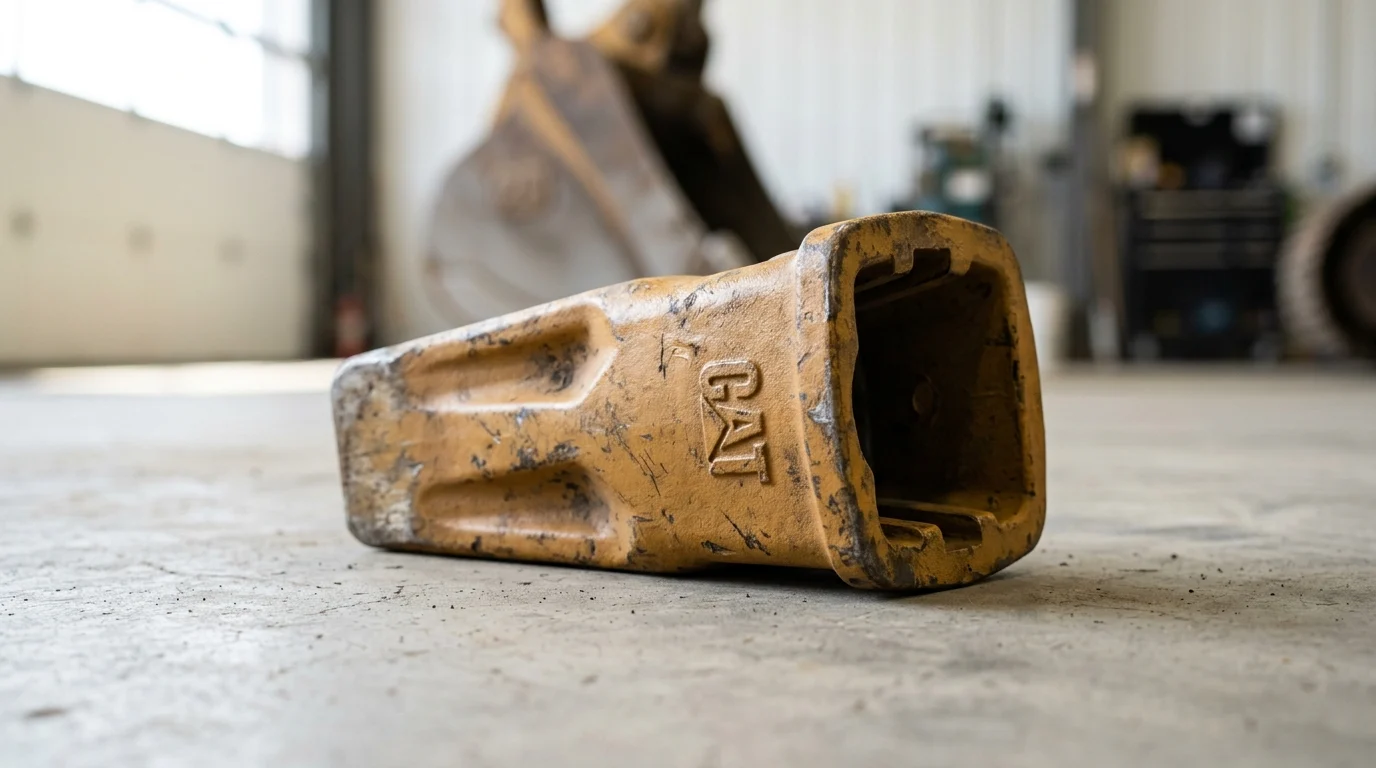
For earthmoving operations, Caterpillar bucket teeth and adapters are more than wear parts—they directly affect digging efficiency, fuel use, machine protection, and uptime. Choosing premium G.E.T. components also has a supply-chain impact: fewer emergency orders, better inventory planning, and less risk of costly jobsite delays when parts fail unexpectedly. This article explains what Caterpillar bucket teeth and adapters do, why material quality and fit matter, and how better sourcing decisions can reduce downtime while improving overall fleet performance. With that foundation, the rest of the discussion looks at the practical factors that separate reliable components from expensive weak points.
How to evaluate Caterpillar bucket teeth and adapters
Getting the evaluation process right is absolutely critical for fleet efficiency. I’ve seen operations slap the wrong tooth profile onto a 50-ton excavator, only to watch fuel consumption spike by 10% to 15% because the machine was fighting the terrain instead of cutting cleanly through it.
You need a solid, repeatable framework to assess what goes on your buckets, factoring in machine breakout force, bucket capacity, and the specific geological challenges of your active job sites.
Comparison criteria for bucket teeth options
To make an informed choice, you have to match the tooth profile to the material density and abrasiveness you’re digging into. I always tell my procurement teams to compare impact resistance against abrasion resistance, as you rarely get a perfect score in both without paying a massive premium. Understanding the trade-offs is key to optimizing your maintenance cycles.
Here is a quick breakdown of how I typically categorize our options based on field data:
| Tooth Profile | Primary Application | Abrasion Resistance | Impact Resistance | Typical Lifespan (Silica Sand) |
|---|---|---|---|---|
| Standard | General Dirt/Loam | Moderate | Moderate | 200 – 250 hrs |
| Rock Penetration | Compacted Gravel/Rock | High | Very High | 300 – 350 hrs |
| Heavy Duty Abrasion | Granite/High Silica | Very High | Low | 400+ hrs |
OEM vs aftermarket vs premium replacement
The eternal debate in our industry is deciding between OEM, cheap aftermarket, and premium replacement parts. I’ve tested all three tiers over the years. OEM guarantees a perfect fit, but you are usually swallowing a 30% to 40% price markup just for the brand name. On the flip side, bargain-bin aftermarket parts often suffer from poor casting, leading to porosity issues and defect rates of 5% or more—which is unacceptable when a snapped tooth goes through a rock crusher.
I prefer aiming for Premium Wear Parts. These manufacturers utilize stringent ultrasonic testing to ensure there are no internal voids, giving us OEM-level alloy steel and heat treatment. More importantly, they typically come in at a 15% to 20% cost saving compared to the dealer, hitting that perfect sweet spot for our operational budget without sacrificing reliability.
How to streamline purchasing and replacement planning
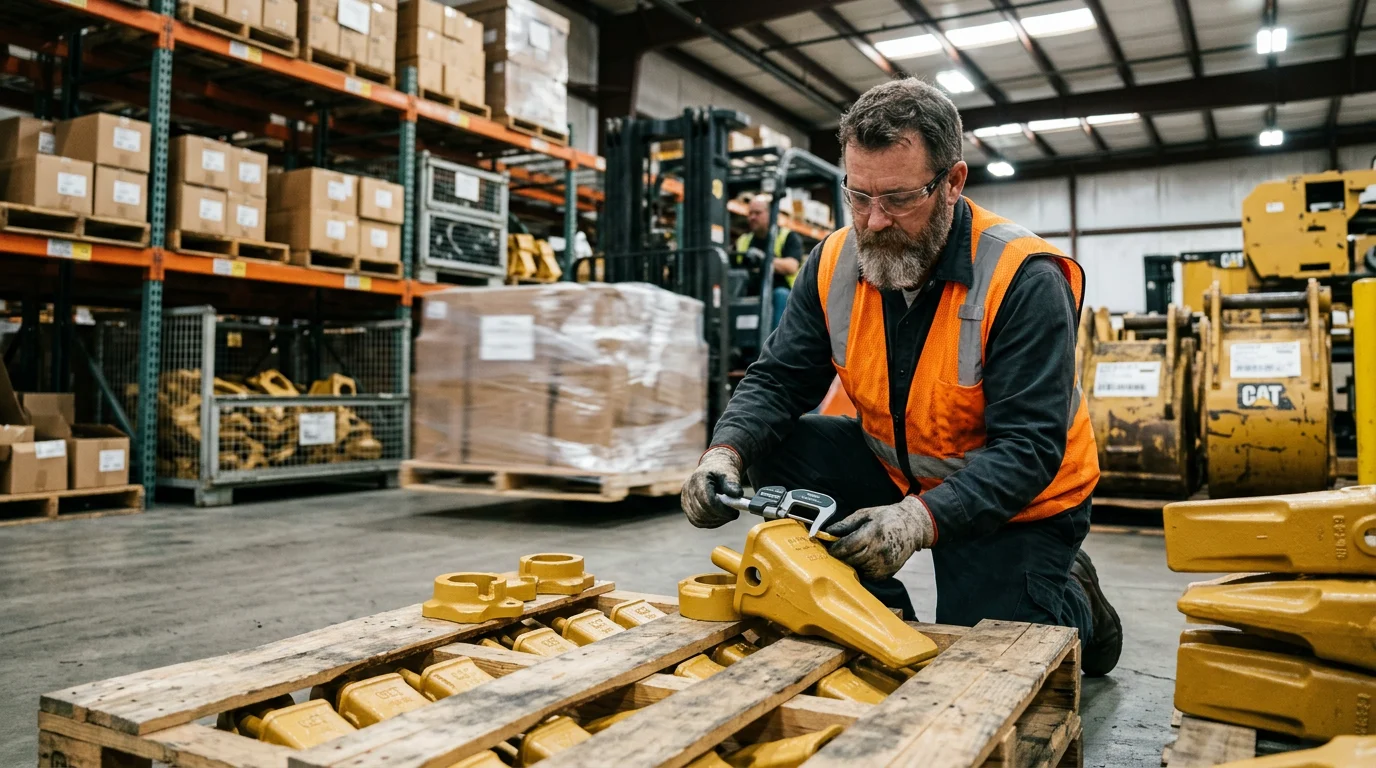
Supply chain chaos keeps me up at night, which is why streamlining how we purchase and plan for replacements is my top priority. If you are reacting to broken teeth on the job site, you are already losing money. Optimizing your Supply Chain means getting proactive and treating wear parts as predictable consumables rather than surprise expenses.
For example, I always try to consolidate shipments to meet a Minimum Order Quantity (MOQ) of at least two pallets. Doing this optimizes our freight density and regularly reduces our shipping costs by $400 to $600 per load.
Forecasting demand and managing inventory
Forecasting demand doesn’t require a crystal ball; it just requires good, clean data. You need to calculate your historical burn rates based on machine hours and material types. If we know a heavy-duty tooth lasts 400 hours in silica sand, and that specific excavator runs 200 hours a month, we know we need a replacement set exactly every two months.
I always mandate a safety stock of at least one replacement set.
Key Takeaways
- The most important conclusions and rationale for Caterpillar Bucket Teeth
- Specs, compliance, and risk checks worth validating before you commit
- Practical next steps and caveats readers can apply immediately
Frequently Asked Questions
What are Caterpillar bucket teeth and adapters used for?
They are G.E.T. wear parts that cut into material and protect the bucket lip. The tooth does the digging, while the adapter secures it to the bucket for efficient force transfer.
How do I choose the right bucket tooth profile?
Match the profile to your material: standard for general soil, rock penetration for compacted gravel, and heavy-duty abrasion for high-silica or granite conditions.
Why should buyers compare cost per hour instead of unit price?
A cheaper tooth can wear out faster and raise downtime, fuel use, and freight costs. Cost per hour gives a truer measure of total operating expense.
What hardness range is typically preferred for premium G.E.T. parts?
For high-abrasion applications, parts around 470–530 Brinell are commonly preferred because they generally deliver better wear life than softer alternatives.
Where can I source Caterpillar bucket teeth and adapters from nbjm-china.com?
You can review G.E.T. parts, bucket teeth, and adapters through the product pages at nbjm-china.com/products/ and contact the supplier for fitment and lead-time details.
Post time: May-26-2026