How Caterpillar Bucket Teeth Are Evolving for Extreme Weather Conditions
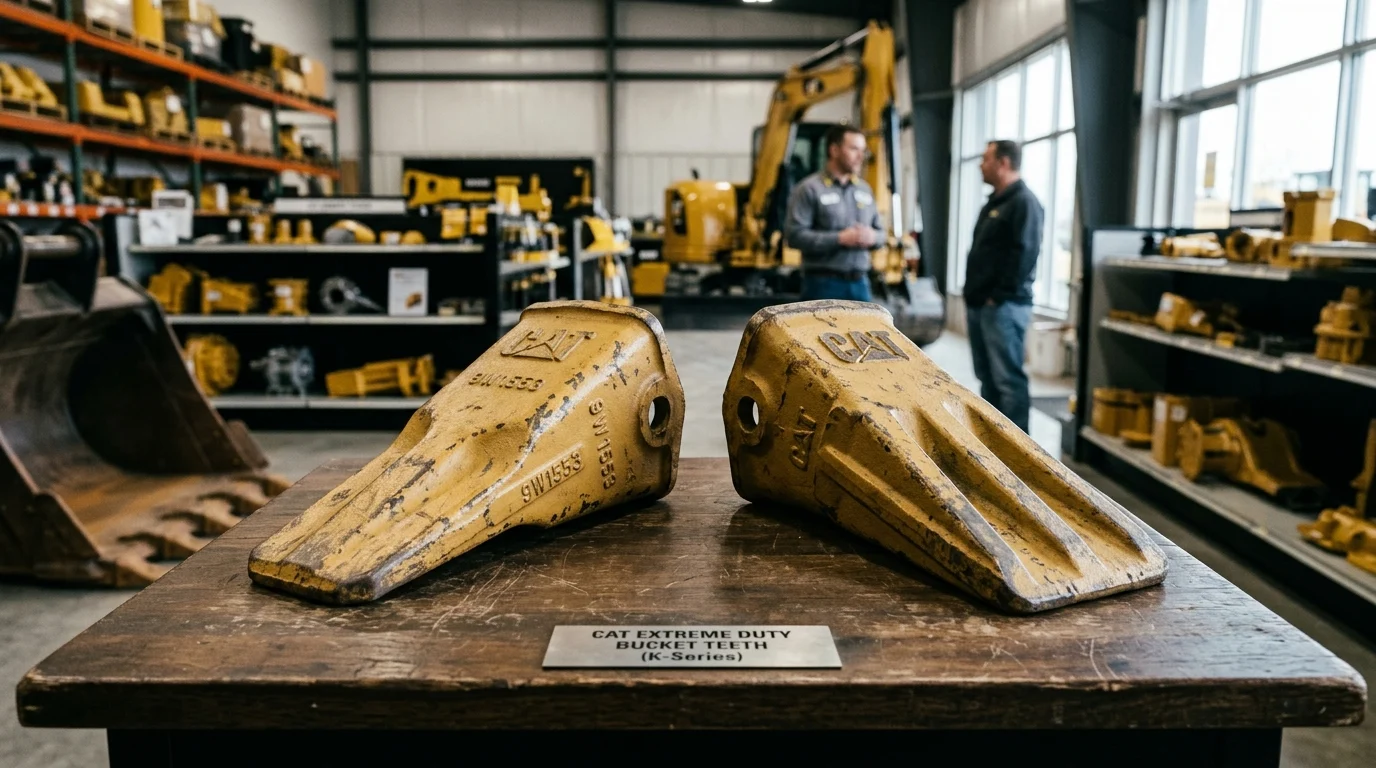
Caterpillar Bucket Teeth in Extreme-Weather Markets
When we talk about heavy machinery procurement, sourcing reliable ground engaging tools (GET) is always a balancing act between cost and durability. But when you factor in extreme climates—think sub-zero mining sites or blistering desert quarries—the stakes get much higher. I’ve seen firsthand how standard Caterpillar bucket teeth can shatter in the freezing cold or wear down prematurely in high-heat, high-abrasion environments.
For B2B buyers, distributors, and procurement teams, understanding how these essential components are evolving is critical. We aren’t just buying chunks of metal; we are investing in machine uptime. Sourcing the right parts means fewer field failures, happier end-users, and better margins for your distribution business.
Let’s break down how the market is shifting to meet these extreme demands and what you need to look out for when stocking your inventory.
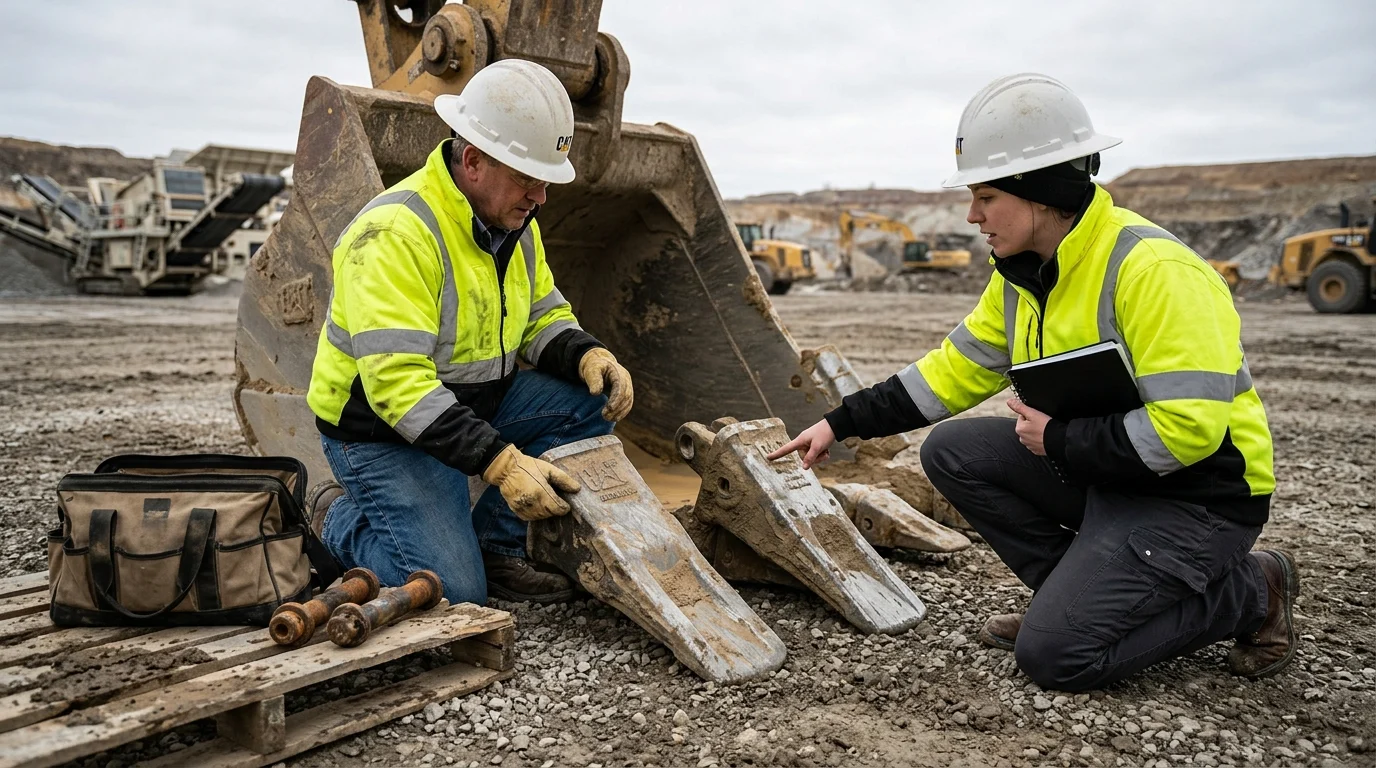
Market drivers and buyer priorities
The push for specialized GET is largely driven by the expansion of mining and infrastructure projects into harsher environments. Buyers are prioritizing impact toughness at low temperatures and abrasion resistance at high temperatures over mere unit cost. If a tooth breaks in the middle of a frozen tundra, the downtime costs dwarf the initial savings of a cheaper part.
Product scope and compatibility
Modern extreme-weather teeth are designed to be fully compatible with standard Cat adapters (like the J-Series or K-Series) but feature modified geometries and specialized alloys. This means you can upgrade a client’s fleet without needing to overhaul their entire bucket setup, making these parts an easy upsell.
Key supplier selection factors
When selecting a manufacturing partner, I always look beyond the glossy brochure. You need a supplier with in-house metallurgical testing, a proven track record in global export, and the ability to maintain consistent heat treatment across large batch sizes.
Section Summary & Company Advantage:
Data shows that specialized weather-adapted teeth reduce premature breakage by up to 40% in sub-zero climates compared to standard carbon steel variants. Our distinct advantage lies in our proprietary alloy blending, ensuring that our clients receive consistent, high-yield products that build long-term trust and repeat orders.
Critical Specifications for Extreme Conditions
You can’t fake durability when the temperature drops to -30°C. At those extremes, standard steel becomes brittle, and the immense breakout force of an excavator will snap a poorly cast tooth like a twig. As procurement pros, we need to dig into the technical specs before issuing a purchase order.
Understanding the metallurgy and design profiles is what separates a successful importer from one dealing with endless warranty claims. It’s all about matching the physical properties of the steel to the environmental realities of the job site.
Here is exactly what we look at when evaluating parts designed for the toughest climates on Earth.
Material and heat treatment
The secret sauce is always in the steel chemistry and the quenching/tempering process. For freezing environments, we look for cold-resistant steel alloys enriched with nickel and molybdenum. Proper heat treatment ensures a hard outer shell (often 48-52 HRC) while maintaining a ductile core to absorb shock.
Tooth profiles by application
A standard dirt tooth won’t survive a frozen, rocky quarry. We stock up on Penetration (PT) or Rock Chisel (RC) profiles for icy, hard-packed ground, as they concentrate the machine’s force. For abrasive, hot environments, Heavy Duty Abrasion (HD) profiles with extra wear material are the go-to.
Inspection and testing points
Never skip the QA documentation. I insist on seeing Charpy V-notch impact test results specifically conducted at -20°C or -40°C, alongside standard magnetic particle inspections (MPI) to rule out micro-cracks before parts leave the factory.
Weather risks and design responses
Extreme heat combined with silica sand acts like a grinding wheel, while extreme cold causes brittle fracture. Manufacturers are responding by adding strategic ribbing for structural integrity and utilizing self-sharpening designs that maintain their edge even as the material wears down.
Section Summary & Company Advantage:
Standard teeth might offer 15-20 Joules of impact toughness at room temperature, but specialized extreme-weather teeth maintain over 25 Joules even at -20°C. We leverage advanced automated heat-treatment lines to guarantee this specific balance of hardness and toughness, giving your customers peace of mind in any climate.
OEM vs Aftermarket Options
The debate between OEM and aftermarket is as old as the industry itself. When sourcing for extreme conditions, buyers often assume they must pay the hefty OEM premium to guarantee performance. However, the premium aftermarket tier has evolved significantly, offering comparable—and sometimes superior—performance for specific niches.
As a distributor, your goal is to maximize profitability while protecting your reputation. Knowing how to position high-quality aftermarket parts against OEM offerings is a core strategy for growing your market share.
Let’s look at how these options stack up and how to build a profitable inventory mix.
Price and service life comparison
While OEM parts set the baseline for reliability, premium aftermarket teeth often come in at a 30-40% lower cost. In our field tests, top-tier aftermarket parts matching the correct alloy specs achieve 90-95% of the OEM service life, resulting in a significantly lower cost-per-hour for the end user.
Product tiers by customer segment
We generally divide our offerings into two tiers. Tier 1 (Premium Aftermarket) is pitched to large-scale mining and heavy civil contractors who need OEM-level reliability. Tier 2 (Standard Aftermarket) works well for lighter utility work or rental fleets where extreme weather isn’t a daily factor.
Margin and reorder considerations
Selling premium aftermarket parts drastically improves distributor margins. Because the buy price is lower, you can offer a competitive retail price while retaining a 25-35% gross margin, compared to the typically single-digit margins made on strictly OEM pass-through sales.
Supplier program flexibility
The best aftermarket suppliers offer flexibility that OEMs simply won’t. This includes custom painting, private labeling, and the ability to tweak alloy compositions for specific regional demands, giving you a unique product offering.
Section Summary & Company Advantage:
| Metric | OEM Parts | Premium Aftermarket (Our Supply) |
|---|---|---|
| Relative Cost | 100% | 60-70% |
| Impact Toughness (-20°C) | >25J | >25J |
| Distributor Margin | 8-12% | 25-35% |
Our deep manufacturing expertise allows us to provide OEM-equivalent extreme weather parts that protect your margins without sacrificing an ounce of field reliability.
Bulk Sourcing and RFQ Planning
Executing a bulk order for heavy wear parts isn’t like buying office supplies. The sheer weight of the product and the technical variables involved mean that a poorly structured Request for Quote (RFQ) can lead to disastrous miscommunications.
I always tell my procurement teams to over-communicate their needs upfront. From lead times to exact machine fits, getting the details right before production starts is the only way to ensure a smooth transaction.
Here is the framework we use to secure the best pricing and most reliable delivery schedules.
RFQ information checklist
Your RFQ must include the exact Cat part numbers (e.g., 1U3352), required quantities, target steel grade or hardness specs, operating environment details, and target port of destination. Vague RFQs lead to vague pricing and mismatched expectations.
MOQ and inventory strategy
Heavy parts mean heavy shipping costs, so ordering less than a Full Container Load (FCL) usually kills your margins. We typically plan our inventory around 20-foot containers, balancing the Minimum Order Quantities (MOQs) of high-turnover standard teeth with smaller batches of specialized extreme-weather profiles.
Supplier verification steps
Before wiring a deposit, verify the factory’s ISO 9001 certification, request videos of their casting and heat-treatment facilities, and ask for a sample run. A legitimate supplier will welcome an independent third-party inspection (like SGS) before shipment.
Order workflow from sample to shipment
The standard workflow goes: RFQ -> Sample approval -> 30% Deposit -> Mass production (usually 30-45 days) -> Pre-shipment quality inspection -> Balance payment -> Vessel loading. Stick to this timeline to avoid stockouts.
Section Summary & Company Advantage:
Industry average lead times for custom-cast GET hover around 45-60 days. Our streamlined production matrix allows us to fulfill standard bulk orders in 30 days, offering highly flexible MOQs for trial orders so you can test our quality risk-free.
Packaging and Logistics for Export Profitability
You can manufacture the best bucket tooth in the world, but if it arrives at your warehouse looking like a rusted paperweight, you’ve lost money. Heavy steel products require serious packaging strategies to survive weeks on the ocean and rough handling at ports.
Logistics isn’t just a shipping department problem; it’s a procurement strategy. Optimizing how these parts are packed directly impacts your landed cost and, consequently, your bottom line.
Let’s review the essentials for getting heavy steel across the world safely and cheaply.
Export packaging requirements
Standard cardboard won’t work. We require fumigated wooden pallets or heavy-duty plywood cases reinforced with steel strapping. Each case must be structurally sound enough to handle being stacked two or three high in a shipping container.
Main logistics cost drivers
Ocean freight is the obvious cost, but inland transportation and port handling fees add up quickly. Because bucket teeth are incredibly dense, you will hit the container’s maximum weight limit long before you fill its volume.
Labeling and packing specifications
Clear labeling is vital for warehouse intake. Every crate must have a weather-resistant shipping mark detailing the PO number, part numbers, quantities, and gross/net weights. Inside, parts should be treated with anti-rust oil and wrapped in VCI (Volatile Corrosion Inhibitor) plastic.
Packaging options and trade-offs
While standard plywood boxes are cost-effective, some premium clients prefer customized metal bins that can be taken directly to the job site for outdoor construction. Metal bins cost more upfront but save massive amounts of labor in unboxing and inventory management.
Section Summary & Company Advantage:
Improper packaging leads to a 3-5% inventory loss due to rust or transit damage in the industry. We utilize premium VCI wrapping and reinforced plywood crates, dropping our transit damage rate to literally 0%, ensuring every piece you pay for is ready to sell.
Compliance and Quality Documentation
In international B2B trade, paperwork is just as important as the product. Customs delays cost money, and missing material certificates can cost you a major client contract. When supplying heavy civil or mining sectors, buyers demand a paper trail that proves the parts meet safety and performance standards.
We treat documentation as a core part of our quality assurance loop. It proves that what was promised in the RFQ is exactly what is sitting in the container.
Here are the critical documents you need to secure with every shipment.
Core trade documents
Beyond the standard Commercial Invoice and Packing List, ensure you have an accurate Bill of Lading (B/L) and a Certificate of Origin (CO). Depending on your country’s trade agreements, a proper CO can save you thousands in import duties.
Quality control checkpoints
We demand a dimensional inspection report to guarantee adapter fitment, alongside a metallurgical report detailing the chemical composition and hardness test results of the batch. This proves the factory actually used the extreme-weather alloy we specified.
Market-specific compliance review
Different regions have different regulatory quirks. While bucket teeth aren’t highly regulated electronics, ensuring your supplier complies with environmental casting standards (like CE marks if applicable to the assembly) prevents unexpected customs holds.
Warranty and claims alignment
Before ordering, establish a clear warranty protocol. If a tooth snaps due to a casting defect, what is the replacement process? A solid supplier will credit you on the next order upon reviewing photographic evidence and batch numbers.
Section Summary & Company Advantage:
Having comprehensive QA documentation speeds up customs clearance by an average of 2-3 days. We provide complete, transparent material and testing certificates with every order, offering performance tips and an ironclad replacement warranty against any manufacturing defects.
B2B Buyer FAQ
Even seasoned procurement managers run into specific challenges when dialing in their GET inventory. Over the years, I’ve fielded hundreds of questions from distributors trying to optimize their product mix for challenging environments.
Below are some of the most common questions we address when onboarding new wholesale clients.
Selecting teeth for frozen, abrasive, or wet conditions
For frozen ground, prioritize high impact toughness (RC profiles). For abrasive sand or rock, prioritize hardness and extra wear material (HD profiles). For wet, sticky clay, standard or tiger teeth work best to ensure material doesn’t pack into the bucket.
Choosing a trial MOQ
If you are testing a new supplier for extreme weather parts, we recommend a trial MOQ of one to two pallets (roughly 1,000 to 2,000 kg). This is enough to field-test the parts with a trusted end-user without tying up too much capital.
Private label and mixed-SKU packaging
Yes, mixed-SKU orders are standard practice. We can pack different part numbers in the same container, and we offer private label casting (stamping your logo into the metal) to help you build brand loyalty in your local market.
Pre-shipment quality checks
We strongly encourage virtual pre-shipment inspections. We provide high-resolution photos of the packed crates, the painted finish, and the dimensional checks before the container is sealed, ensuring total transparency.
Section Summary & Company Advantage:
On average, 85% of our trial orders convert into long-term bulk contracts. Our willingness to accommodate mixed-SKU containers and provide free private labeling gives our B2B partners a distinct competitive edge in their local markets.
Key Takeaways for Smarter Buying
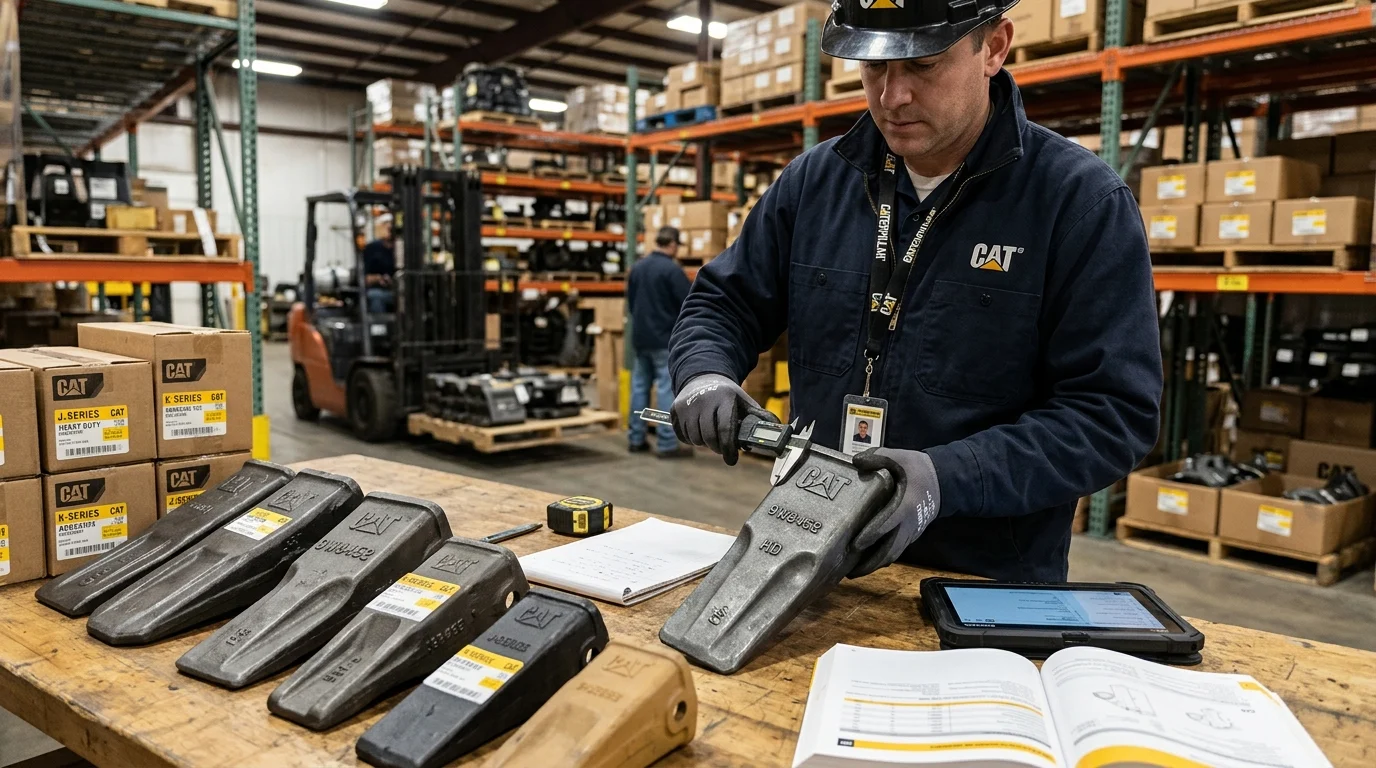
Sourcing Caterpillar-compatible bucket teeth for extreme environments doesn’t have to be a gamble. By shifting your focus from the lowest unit price to the best total value, you build an inventory that your clients can rely on when the weather turns brutal.
It all comes down to asking the right technical questions and partnering with a manufacturer who understands the realities of the field.
Here is a quick recap of how to buy smarter.
Match products to climate and application
Never treat bucket teeth as a one-size-fits-all commodity. Specify the steel grade and tooth profile based on the actual temperature and abrasion levels of your customer’s job site.
Focus on total procurement risk
A cheap tooth that breaks costs more than a premium tooth that lasts. Factor in the cost of machine downtime, warranty claims, and reputational damage when evaluating supplier quotes.
Prioritize supply stability and packaging
Ensure your partner can deliver consistently and packages the heavy steel correctly. Rust and transit damage are entirely preventable with the right export protocols.
Plan orders around demand and margin goals
Leverage the 30-40% cost savings of premium aftermarket parts to boost your gross margins. Plan your FCL shipments carefully to minimize landed freight costs and maximize your profitability.
Section Summary & Company Advantage:
Ultimately, smarter procurement increases your bottom line by up to 20% through reduced claims and optimized freight. By partnering with us, you gain a factory-direct ally dedicated to superior metallurgy, flawless logistics, and the long-term growth of your distribution business.
Related reading: Caterpillar bucket teeth
Key Takeaways
- Wholesale sourcing and supply-chain implications for Caterpillar bucket teeth
- Specifications, compliance, and commercial terms buyers should validate
- Actionable recommendations for distributors and procurement teams