2026 Aftermarket Demand Trends for Caterpillar Bucket Teeth
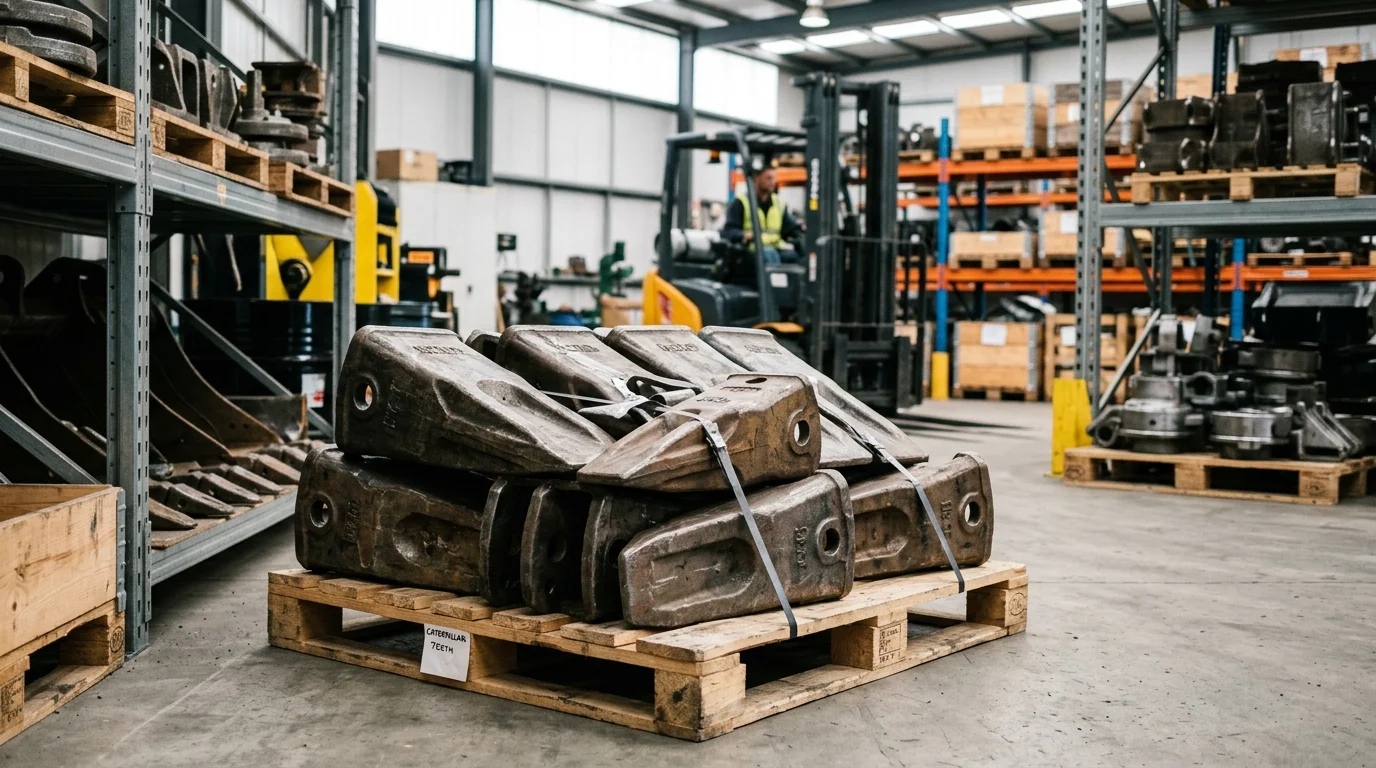
2026 Aftermarket Demand Outlook for Caterpillar Bucket Teeth
If you are a procurement manager or a heavy equipment parts distributor, you already know that the ground engaging tools (GET) market is shifting rapidly. As we look toward 2026, macroeconomic pressures—like high interest rates and tightening capital expenditure budgets—are forcing fleet managers to keep their excavators and wheel loaders running longer. Instead of buying new machines, they are extending current fleet lifecycles. This dynamic creates a massive surge in demand for high-quality replacement parts, specifically Caterpillar bucket teeth.
The gap between OEM parts and premium aftermarket alternatives has closed significantly. Buyers are no longer willing to pay a 30% to 50% premium just for a brand logo when a top-tier aftermarket foundry can deliver the exact same wear life and impact resistance. Distributors who position themselves with a reliable supply of these critical wear parts are poised to capture significant market share over the next few years.
To capitalize on this, you need a sourcing strategy built on accurate forecasting. The 2026 outlook isn’t just about stocking up on standard dirt teeth; it’s about understanding the specific regional and industrial drivers that dictate which SKUs will move fastest.
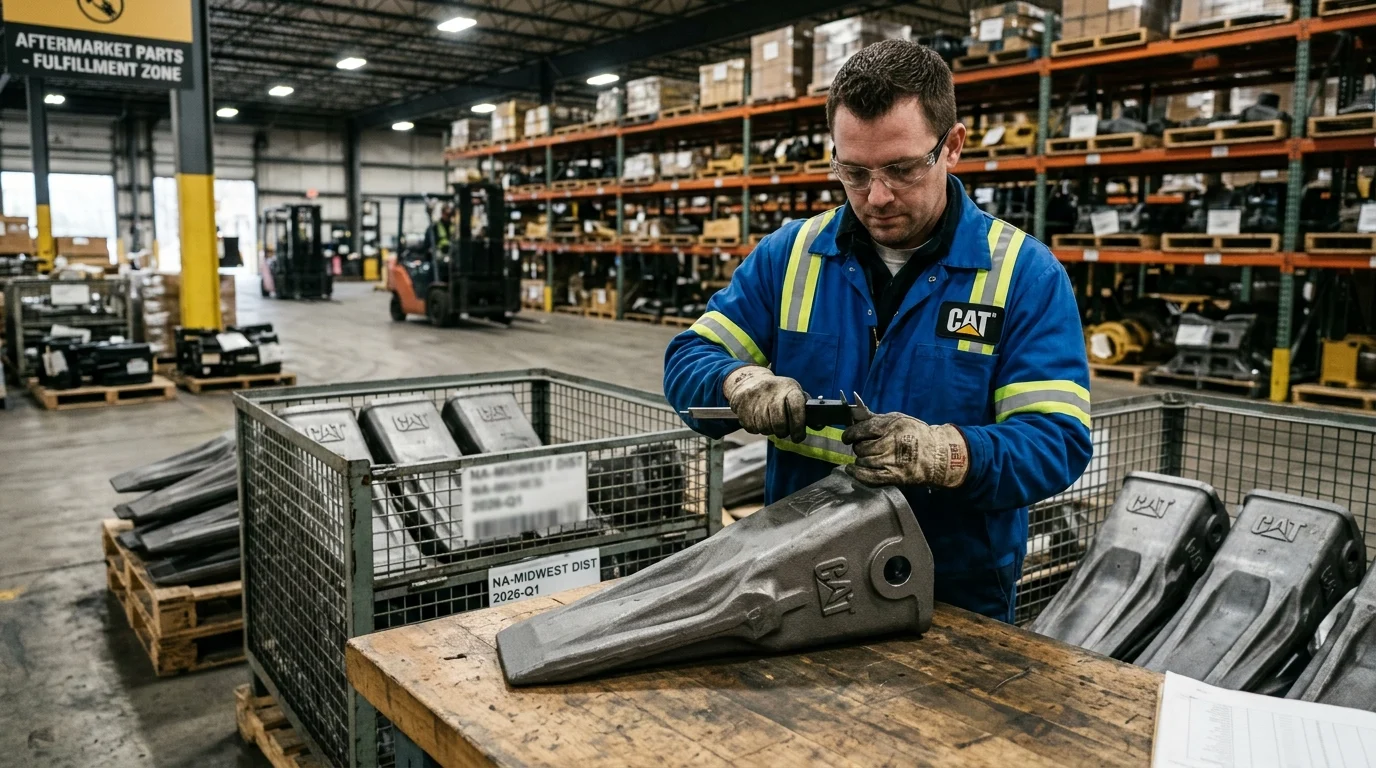
Demand drivers across mining, quarry, construction, and rental
The primary engines for GET demand remain mining, aggregate quarrying, heavy construction, and the rapidly expanding equipment rental sector. Mining operations, driven by the global push for battery metals like lithium and copper, run their machines 24/7, requiring constant bucket tooth replacements. Meanwhile, the rental market is booming as contractors increasingly prefer renting to avoid depreciation. Rental fleet operators are fiercely protective of their margins, making them prime targets for high-durability aftermarket bucket teeth that reduce their total cost of ownership.
Fastest-growing regional aftermarket markets
While North America and Europe remain steady, high-volume markets, the most explosive growth for 2026 is projected in Southeast Asia, Latin America, and parts of Africa. Infrastructure booms in countries like Indonesia and Brazil are driving heavy machinery utilization to record highs. For importers and wholesalers, establishing distribution channels in these regions or supplying exporters who service them will be highly lucrative.
Inventory positioning for longer fleet life and tighter budgets
Fleet managers are dealing with tighter budgets, meaning they buy strictly based on immediate need and cost-per-hour performance. To win their business, distributors must hold the right inventory. You need to stock a balanced mix of fast-moving J-series (side-pin) and K-series (hammerless) teeth. Positioning your inventory to guarantee immediate availability for these critical systems will make you the go-to supplier when a contractor faces unexpected downtime.
Product Types and Specifications That Drive Demand
Sourcing heavy equipment parts isn’t just about matching a part number; it is about matching the metallurgical properties to the application. When buying Aftermarket parts, casting specifications dictate whether a tooth shatters on the first rock or lasts for hundreds of hours. For 2026, buyers are becoming incredibly savvy, demanding full transparency on material grades and heat-treatment processes before they sign a purchase order.
Procurement teams are shifting away from generic, low-carbon steel castings toward advanced boron steel and specialized alloy blends. The goal is to achieve a perfect balance between surface hardness (for wear resistance) and core toughness (to prevent snapping under impact). Understanding these specifications is what separates a successful importer from one dealing with constant warranty claims.
Furthermore, precision in the casting process is non-negotiable. If the internal cavity of the bucket tooth does not perfectly match the adapter nose, the resulting play will cause the pin to shear, leading to catastrophic failure. High-quality aftermarket manufacturers use automated shell molding and strict tolerance checks to ensure OEM-level fitment every single time.
Bucket tooth systems, adapter fit, pins, and retainers
The market is heavily segmented by the retention system. While the traditional Caterpillar J-Series (side-pin and retainer) remains the most widely used globally due to its simplicity, the K-Series and Advansys hammerless systems are gaining ground for safety reasons. When sourcing, you must buy the complete set—teeth, adapters, pins, and retainers—from the same foundry to guarantee proper fitment and avoid tolerance stacking issues.
Key specs: material grade, hardness, wear life, and tolerance
To compete, your bucket teeth must hit specific metallurgical benchmarks. A premium aftermarket tooth should boast a surface hardness of 48-52 HRC and an impact toughness (AKV) of at least 18 Joules.
| Specification | Standard Aftermarket | Premium Aftermarket | OEM Standard |
|---|---|---|---|
| Material | Carbon Steel | Low-Alloy Boron Steel | Proprietary Alloy |
| Hardness (HRC) | 42 – 46 | 48 – 52 | 49 – 53 |
| Impact Value (AKV) | 12J – 15J | > 18J | > 20J |
| Fitment Tolerance | +/- 2mm | +/- 0.5mm | +/- 0.5mm |
High-value keyword groups for buyers and distributors
When marketing these parts, distributors need to use the exact terminology end-users search for. High-value keywords include standard part numbers (e.g., 1U3302, 9W8552, 1U3352), specific styles (Rock Chisel, Tiger Tooth, Standard Dirt), and system names (Cat J-Series replacement, hammerless bucket teeth). Optimizing your catalog for these terms ensures high visibility.
Best-Fit Market Segments and Customer Profiles
To maximize your inventory turnover, you have to know exactly who is buying what. The demand for ground engaging tools is not monolithic; a contractor laying residential pipes needs a vastly different product than a quarry operator blasting granite. Recognizing these nuances allows distributors to tailor their stock and avoid tying up capital in dead inventory.
By analyzing Market trends, we can see a clear division in purchasing behavior based on the end-user’s operating environment. For instance, earthmoving and infrastructure projects typically consume high volumes of standard and penetration-style teeth, while demolition and mining sectors burn through heavy-duty rock and abrasion-resistant models.
Understanding your customer profile also dictates your pricing and credit strategies. A multinational mining corp will negotiate on volume and demand strict metallurgical certifications, whereas a local repair shop might prioritize next-day delivery and flexible payment terms over minor price differences.
Demand patterns by mining, aggregate, earthmoving, demolition, and infrastructure
Mining and aggregate sectors demand Heavy Duty (HD) and Extra Heavy Duty (XHD) teeth designed for high abrasion. In contrast, general earthmoving and infrastructure projects require standard dirt or penetration teeth that prioritize digging efficiency and fuel savings. Demolition requires twin-tiger or sharp rib teeth that can pierce concrete and rebar without snapping.
High-repeat buyers: contractors, rental fleets, dealers, and repair networks
Your most profitable customers will be those with predictable, high-frequency replacement cycles. Independent repair networks and medium-to-large rental fleets are the sweet spots. They buy consistently, are highly motivated to find cost-effective OEM alternatives, and usually purchase in pallet quantities rather than single pieces.
Balancing fast-moving SKUs with higher-margin wear parts
A smart procurement strategy uses the 80/20 rule. Keep 80% of your capital in fast-moving standard SKUs (like the J250 to J450 series) that turn over quickly and generate steady cash flow. Invest the remaining 20% in specialized, higher-margin items like extreme rock chisels or heavy-duty adapters that command premium prices when a customer is in a pinch.
How to Compare Suppliers, Quality, and Pricing
The barrier to entry for sourcing from overseas foundries is lower than ever, but the risk of importing substandard parts remains high. When you are buying heavy steel components by the container load, a single bad batch can wipe out your profit for the year and permanently damage your reputation with end-users. Evaluating suppliers in the Spare parts industry requires a rigorous, multi-step vetting process.
Procurement teams must look beyond the initial quote. A foundry offering prices 20% below the market average is almost certainly cutting corners—either by using recycled scrap metal with high impurity levels, skipping critical heat-treatment cycles, or relying on outdated manual casting methods that result in poor fitment.
Your ideal manufacturing partner should operate like an extension of your own business. They should offer transparent pricing, welcome third-party inspections, and possess automated production lines that guarantee consistency across thousands of parts. The most competitive suppliers combine precision automated casting with strict, verifiable quality control protocols.
Supplier comparison criteria: quality, MOQ, lead time, and packaging
When comparing quotes, weigh four pillars: Quality (do they provide Material Test Certificates?), MOQ (are they flexible on mixed pallets?), Lead Time (can they deliver a 20ft container in 30-45 days?), and Packaging (do they use export-grade, fumigated wooden crates?). A cheap price is useless if the parts arrive rusted or three months late.
Sourcing risk checks: capacity, tooling accuracy, and traceability
Before wiring a deposit, verify the factory’s production capacity to ensure they can scale with your growth. Ask about their tooling accuracy—CNC-machined molds are vastly superior to sand-cast molds. Most importantly, demand traceability. Every premium bucket tooth should have a batch or heat number cast into the metal, allowing you to trace it back to the exact furnace pour.
Supplier strengths that support procurement goals
A top-tier supplier adds value beyond the product. Look for foundries that offer in-house engineering support, custom painting to match your brand colors, and the ability to consolidate other GET parts (like cutting edges or undercarriage parts) into your container, simplifying your logistics and lowering your landed costs.
MOQ, Packaging, and Logistics for Better Margins
In the heavy equipment parts trade, logistics can make or break your margins. Bucket teeth are incredibly dense and heavy; shipping them requires careful planning to maximize container weight limits without exceeding legal road weights. If you mismanage your freight, your landed cost per kilogram will skyrocket, rendering your competitive factory pricing completely irrelevant.
Successful importers work closely with their suppliers to optimize container loads. Because bucket teeth are high-density, a 20-foot standard container is almost always preferred over a 40-foot container, as you will hit the maximum weight limit (usually around 24 to 26 metric tons) long before you fill the volume of a 40-footer.
Packaging is equally critical. These parts sit in salty ocean air for weeks and then might sit in your yard for months. If your supplier uses flimsy pallets or skips rust-prevention treatments, you will be selling rusted, unappealing parts to your customers. Investing slightly more in premium export packaging pays massive dividends in inventory preservation.
MOQ and mixed-SKU planning to reduce dead stock
To optimize cash flow, negotiate Minimum Order Quantities (MOQs) based on total container weight rather than per-SKU limits. A good supplier will allow you to mix dozens of different sizes—teeth, adapters, and pins—into a single container. This allows you to replenish fast movers while testing small quantities of new or niche SKUs without risking dead stock.
Export packaging options and labeling control
Insist on heavy-duty, fumigated wooden crates reinforced with steel banding, rather than standard pallets. The parts inside should be coated in a high-quality anti-rust oil or wrapped in VCI (Volatile Corrosion Inhibitor) plastic. Furthermore, control your labeling: have the factory apply your custom barcode and part number labels directly to the crates to save your warehouse team hours of receiving time.
Freight, container loading, and landed cost management
Work with a freight forwarder experienced in heavy industrial goods. To manage landed costs, calculate your pricing based on a “per kilogram” freight rate. Ensure your supplier provides a detailed packing list with exact net and gross weights so you can perfectly balance the container load, minimizing empty space and maximizing your freight spend.
Compliance and Procurement Checks to Reduce Import Risk
Importing industrial heavy machinery parts requires strict adherence to customs regulations and quality standards. If you fail to maintain proper documentation, your shipments can face severe delays at the port, incurring massive demurrage fees. A professional procurement strategy builds compliance checks into the purchasing process long before the goods ever leave the factory.
Establishing a formalized Supplier Quality Agreement (SQA) before placing any commercial volume orders is highly recommended. This document should explicitly outline the required metallurgical standards, acceptable defect rates, and the financial penalties for non-compliance. This sets a professional tone and weeds out unreliable brokers masquerading as manufacturers.
Furthermore, leveraging third-party inspection services (like SGS or Bureau Veritas) for pre-shipment inspections is a standard best practice. Spending a few hundred dollars to have an inspector verify the hardness, dimensions, and packaging of your order before container loading is the cheapest insurance policy you can buy.
Required documentation: material reports, inspections, origin, and labels
Customs and your end-users will demand paperwork. Ensure every shipment includes a Commercial Invoice, Packing List, Bill of Lading, and a Certificate of Origin (which may lower your import tariffs). On the technical side, mandate that the supplier provides a Material Test Certificate (MTC) detailing the chemical composition and hardness test results for that specific production batch.
Supplier approval steps before trial orders
Never jump straight into a container order. Start with a virtual factory audit via video call to verify their casting lines and heat-treatment furnaces. Next, order a small trial batch (e.g., one pallet) to evaluate their communication, adherence to lead times, and the physical quality of the parts upon arrival.
Sample validation, fitment checks, and warranty review
When the trial samples arrive, do not just look at them—test them. Mount the bucket teeth onto an OEM adapter to check for play. Check the pin hole alignment. Strike the tooth to test its brittleness. Finally, review the supplier’s warranty policy: will they replace broken teeth on the next container shipment, or do they fight every claim?
Channel Strategy and Sales Programs for Distributors
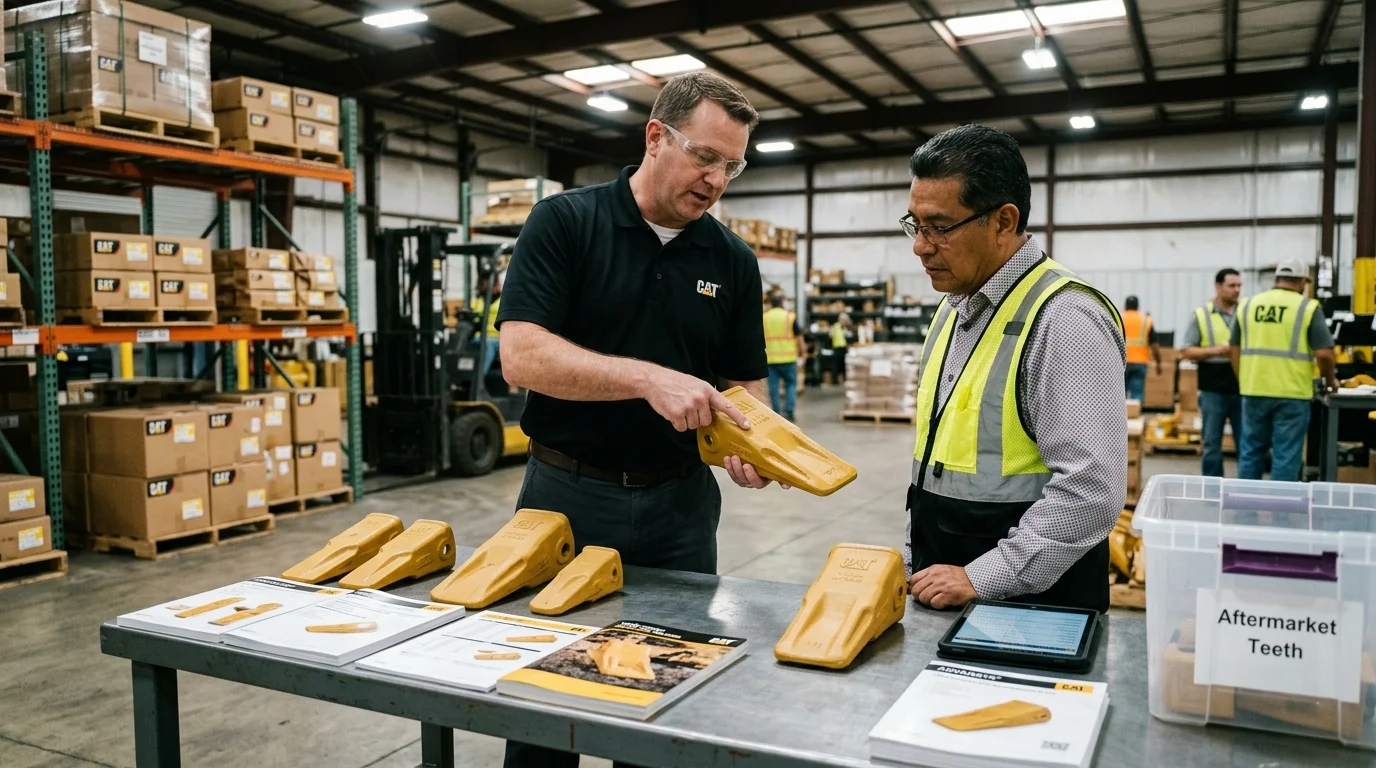
Once you have secured a reliable supply of high-quality aftermarket bucket teeth, your focus must shift to moving that inventory efficiently. The days of simply putting parts in a catalog and waiting for the phone to ring are over. Today’s most successful distributors actively build multi-tiered channel strategies that capture different segments of the market.
Aligning your sales approach with rising Construction demand means identifying the bottlenecks your customers face and solving them. Often, the bottleneck isn’t price; it’s availability and ease of ordering. By creating structured sales programs, you can lock in customer loyalty and create predictable, recurring revenue streams.
Successful distribution partners treat their suppliers as a back-office factory. They leverage custom packaging and private labeling capabilities to build brand equity in local markets, differentiating themselves from competitors pushing generic, unbranded iron.
Priority channels: wholesalers, importers, dealer alternatives, and service shops
Map out your sales channels. Tier 1 might be large regional wholesalers who buy in bulk at lower margins. Tier 2 could be independent heavy equipment repair shops that need fast, reliable parts for their clients. Tier 3 is the direct-to-contractor channel, which yields the highest margins but requires the most customer service and technical support.
Margin, stock depth, and reorder planning by account type
Implement tiered pricing based on annual volume commitments. For your largest rental fleet accounts, set up Vendor Managed Inventory (VMI) programs where you guarantee stock depth for their specific machinery in exchange for an exclusive supply contract. Use historical data to trigger automated reorders from your factory 60 days before your safety stock depletes.
Value-added programs: custom packaging, cross-reference support, and fast replenishment
Differentiate your business by offering value-added services. Create a robust cross-reference database that allows customers to easily match OEM part numbers to your aftermarket SKUs. Utilize your supplier’s ability to provide custom-branded boxes and private-label casting. When a part arrives in a professional, branded package, the perceived value—and your margin—increases significantly.
Key Takeaways and Buyer FAQ
As the heavy equipment sector braces for 2026, the shift toward premium aftermarket GET is accelerating. Procurement teams that build strong, transparent relationships with capable foundries will secure a massive competitive advantage. It is all about balancing quality, logistics, and smart inventory management.
Core decision points for forecasting, sourcing, and scaling
To scale successfully, focus on data-driven forecasting based on regional machinery utilization. Source from foundries that offer automated casting, verifiable HRC/AKV metrics, and flexible mixed-SKU containers. Scale your business by private labeling and targeting high-repeat buyers like rental fleets and independent service networks.
FAQ: MOQ, lead time, material quality, packaging, and private label
Q: What is a standard MOQ for aftermarket bucket teeth?
A: Typically, factories require 1 to 3 tons per order, but good partners will allow you to mix dozens of SKUs within that weight to help you manage inventory.
Q: What is the average lead time?
A: Production usually takes 30 to 45 days, plus ocean transit time. Always buffer 90 days from PO to warehouse receipt.
Q: Can I get my own logo cast into the teeth?
A: Yes, premium foundries offer private labeling. It usually requires a small tooling fee for the custom mold, but it drastically improves your brand retention.
FAQ: OEM replacement vs aftermarket alternatives
Q: Are aftermarket bucket teeth as good as OEM?
A: Premium aftermarket teeth forged from boron steel and properly heat-treated match or exceed OEM specifications at a fraction of the cost. The key is avoiding low-tier, generic carbon steel parts.
Q: Will using aftermarket teeth void my machine’s warranty?
A: No. Using high-quality aftermarket wear parts like bucket teeth does not void the manufacturer’s warranty on the core machine, making them a safe and economical choice for fleet managers.
Related Reading: Caterpillar bucket teeth
Key Takeaways
- Wholesale sourcing and supply-chain implications for Caterpillar bucket teeth
- Specifications, compliance, and commercial terms buyers should validate
- Actionable recommendations for distributors and procurement teams