Introduction
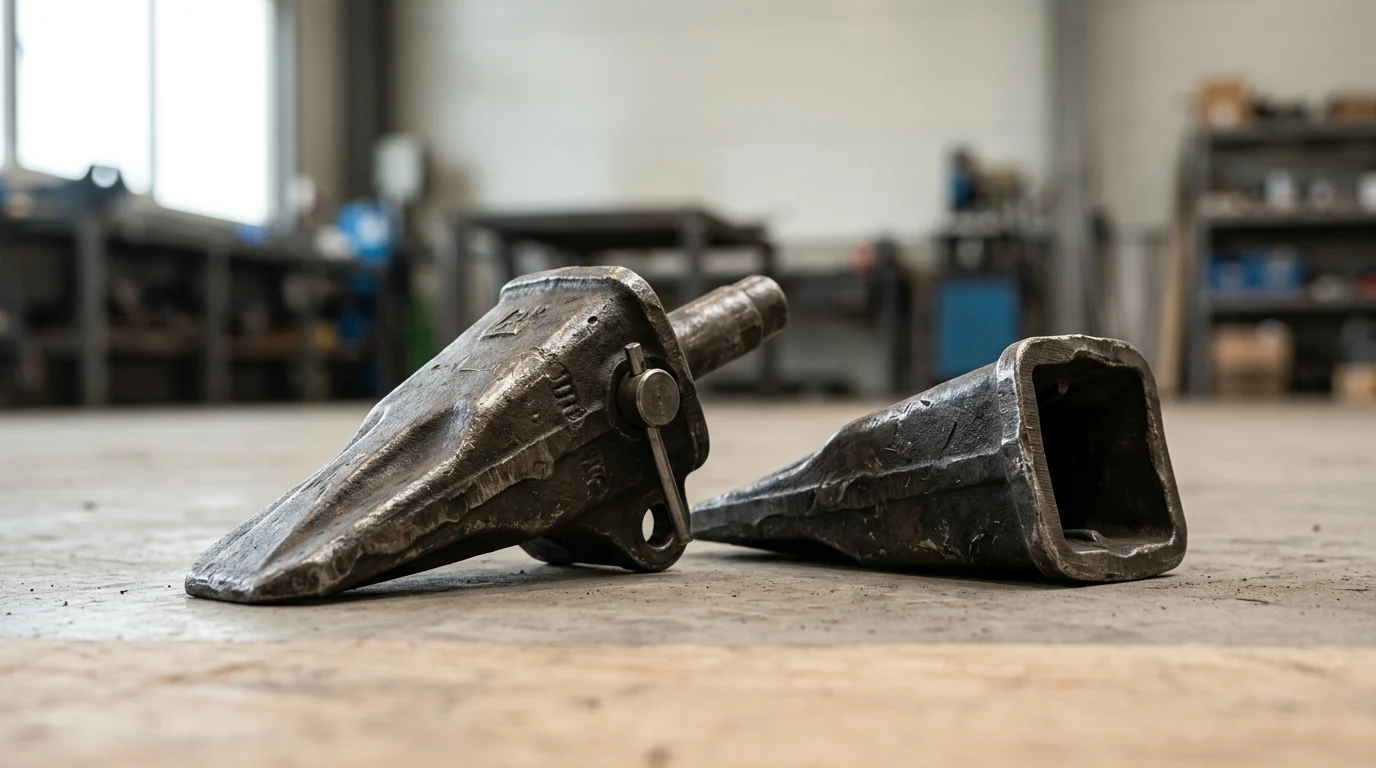
Across large mining operations, bucket tooth procurement is no longer treated as a routine dealer purchase. Fleet managers are examining direct-sourced Caterpillar bucket teeth because wear-part costs, machine uptime, and supply reliability now have a measurable impact on total operating economics. In high-abrasion environments, even small differences in unit price, metallurgy, fit, and lead time can scale into significant annual savings or losses across dozens of machines. This article explains why that sourcing shift is accelerating, what operational and financial factors are driving it, and how mining fleets are weighing direct manufacturer relationships against traditional dealer channels.
Why Mining Fleets Are Reassessing Caterpillar Bucket Teeth
As someone who’s spent years managing procurement for heavy earth-moving operations, I’ve seen firsthand how the costs of maintaining Mining Fleets can spiral out of control. Traditionally, we relied heavily on local dealer networks to supply our heavy-duty components. But lately, there’s been a massive shift. Fleet managers are actively reassessing how they procure Caterpillar Bucket Teeth, moving away from the standard dealer route to explore direct manufacturer relationships.
The reason is simple: when you’re running machines 24/7 in highly abrasive environments, ground engaging tools represent a massive chunk of your operating expenses. Relying solely on legacy supply chains no longer makes financial sense when high-quality alternatives are available straight from the foundries.
Cost drivers of direct sourcing
Let’s talk numbers. The primary catalyst pushing us toward Direct Sourcing is the undeniable cost advantage. By cutting out the middlemen, regional distributors, and dealer markups, mining operations can typically reduce their wear part expenditures by 25% to 40%.
When you are outfitting a fleet of fifty excavators, that translates to millions of dollars saved annually. We’re not just talking about the unit price of the bucket teeth, either. Direct sourcing often allows us to negotiate better freight terms and bulk pricing, driving down the total cost of ownership significantly over a fiscal year.
Early criteria for supplier comparison
Of course, we can’t just buy from anyone with a foundry. When I start comparing direct suppliers, I look for a few non-negotiable criteria. First is their production capability. A credible supplier needs to handle casting processes ranging anywhere from 0.1KG up to massive 150KG pieces to cover our entire fleet’s needs.
Second, I look at their track record. I want to see at least 15 to 16 years of dedicated experience in the European or North American Ground Engaging Tools market. If they have a history of successful joint ventures and proven technical strength, that’s a massive green light for our procurement team.
What Makes Direct-Sourced Caterpillar Bucket Teeth Competitive
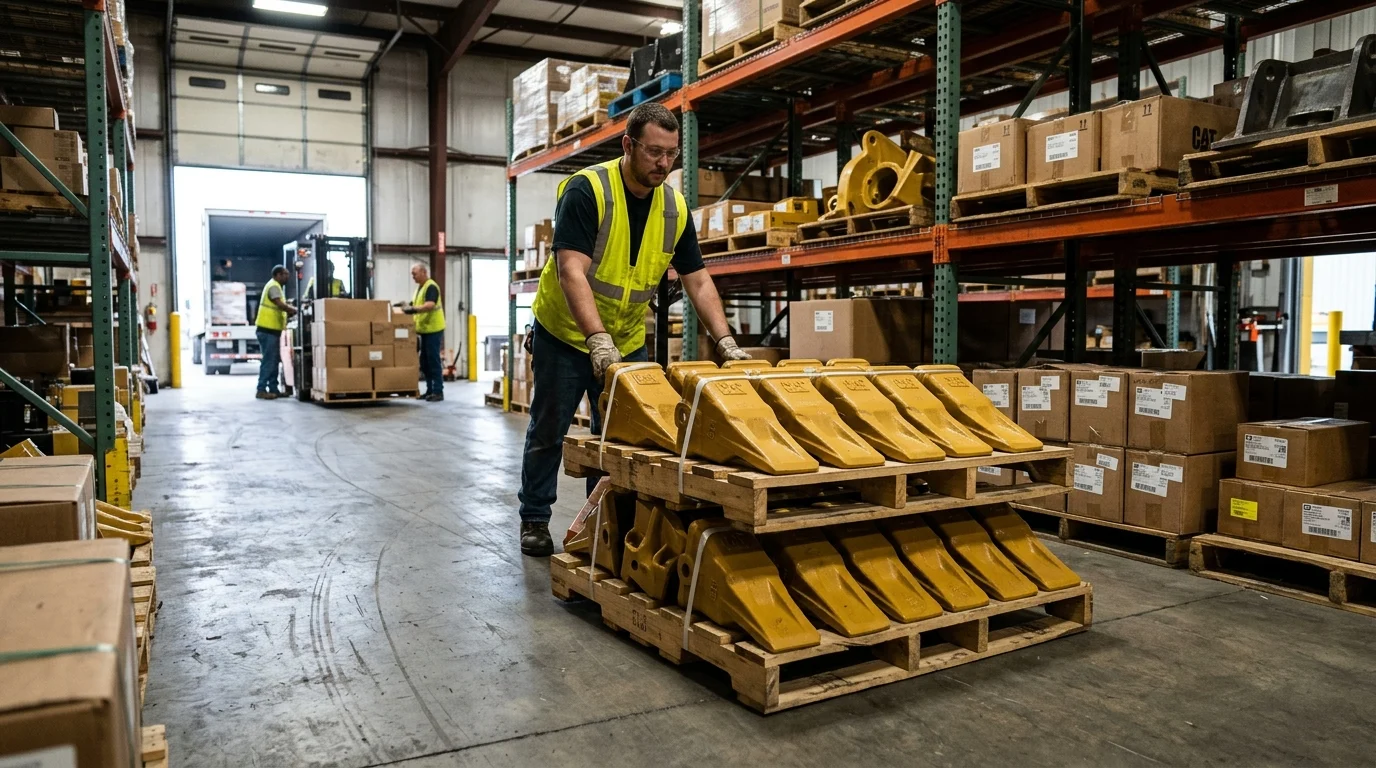
You might be wondering if bypassing the dealer means sacrificing quality. Honestly, that used to be my biggest fear. But the reality today is that direct-sourced Wear Parts have evolved dramatically.
Many of the top-tier foundries are producing replacement parts that go toe-to-toe with OEM standards, utilizing advanced metallurgy and rigorous testing to ensure these parts survive in the harshest mining conditions.
Quality control, casting, and product range
The competitiveness really comes down to rigorous quality control and an expansive product range. Today’s leading direct manufacturers aren’t just pouring steel; they are using advanced casting technologies to maintain defect rates well below the industry standard of 0.5%.
Whether our fleet needs Caterpillar J series, K series, or A series teeth, we can get them all from a single source. These facilities also produce lip shrouds, side cutters, and heel shrouds, allowing us to consolidate our vendor list. Plus, if we have a highly specific abrasive application, the best direct suppliers will customize the chemical composition of the steel based on our own drawings and samples.
Dealer channel vs direct sourcing
To really understand the shift, you have to look at how the traditional dealer channel stacks up against direct sourcing. Dealers offer convenience, but it comes at a steep premium and sometimes surprising inflexibility.
| Feature | Traditional Dealer Channel | Direct Sourcing |
|---|---|---|
| Cost Premium | 30% – 50% markup | Factory direct pricing |
| Customization | Limited to standard catalog | High (custom molds & alloys) |
| Lead Time (Bulk) | 4 – 8 weeks (if in local stock) | 8 – 12 weeks (production + shipping) |
| MOQ | Low (single units available) | Medium (typically 1-2 tons) |
| Warranty | Standard OEM | Negotiable direct replacement |
As you can see, direct sourcing requires a bit more forward planning due to longer lead times and higher Minimum Order Quantities (MOQs), usually around 1 to 2 tons. But for large-scale mining operations that forecast their maintenance schedules quarters in advance, these logistics are easily managed, making the cost savings and customization options incredibly attractive.
How to Evaluate and Implement Direct-Sourced Caterpillar Bucket Teeth
Making the jump to direct sourcing isn’t something you do overnight. It takes a calculated approach to ensure you don’t disrupt your fleet’s uptime.
I always tell my peers that the implementation phase is just as critical as the financial analysis. You need to validate the supplier practically and then strategically roll out the new parts across your active sites.
Supplier qualification steps
The qualification process starts with a rigorous audit. I request ISO 9001 certification documentation and detailed metallurgical reports for their steel alloys. Next, we order a trial batch—usually around 50 to 100 pieces—of a common profile, like a Cat J450 or J550 tooth.
We install these on a few test machines and monitor their wear life over a standard 500-hour operational cycle. We track the weight loss and impact resistance closely. If the direct-sourced teeth maintain their structural integrity and offer a cost-per-hour that beats our current baseline by at least 15%, the supplier passes the physical qualification.
When to transition fleet sourcing
Timing the transition is everything. I never recommend a hard cutover. Instead, start phasing in the direct-sourced parts during major scheduled maintenance windows or fleet rebuilds. For example, if you know you have ten excavators due for full bucket rebuilds in Q3, use that as your launchpad.
By integrating the new supply chain gradually, you can build up your on-site inventory buffer—aiming for a safe 60-day supply—while winding down your dealer contracts. This phased strategy minimizes risk, keeps your operators comfortable with the new hardware, and smoothly transitions your operational budget into a much healthier state.
Key Takeaways
- The most important conclusions and rationale for Caterpillar Bucket Teeth
- Specs, compliance, and risk checks worth validating before you commit
- Practical next steps and caveats readers can apply immediately
Frequently Asked Questions
Why are large mining fleets switching to direct-sourced Caterpillar bucket teeth?
Mainly to cut wear-part costs by 25% to 40%, reduce dealer markups, and secure better bulk pricing for high-volume fleet maintenance.
Does direct sourcing Caterpillar bucket teeth mean lower quality?
Not necessarily. Strong suppliers use advanced casting, metallurgy, and testing to keep defect rates low and match demanding mining applications.
What should buyers check before choosing a direct bucket teeth supplier?
Verify production capacity, export experience, market track record, quality control, and whether they can support your required tooth series and related GET parts.
Can nbjm-china.com supply more than standard Caterpillar bucket teeth?
Yes. Buyers often look for one source that can also provide J, K, and A series teeth, plus lip shrouds, side cutters, and heel shrouds.
What are the main trade-offs of buying Caterpillar bucket teeth direct from a factory?
You usually get lower pricing and more customization, but you need to plan for higher MOQs, typically 1-2 tons, and lead times of about 8-12 weeks.
Post time: May-14-2026