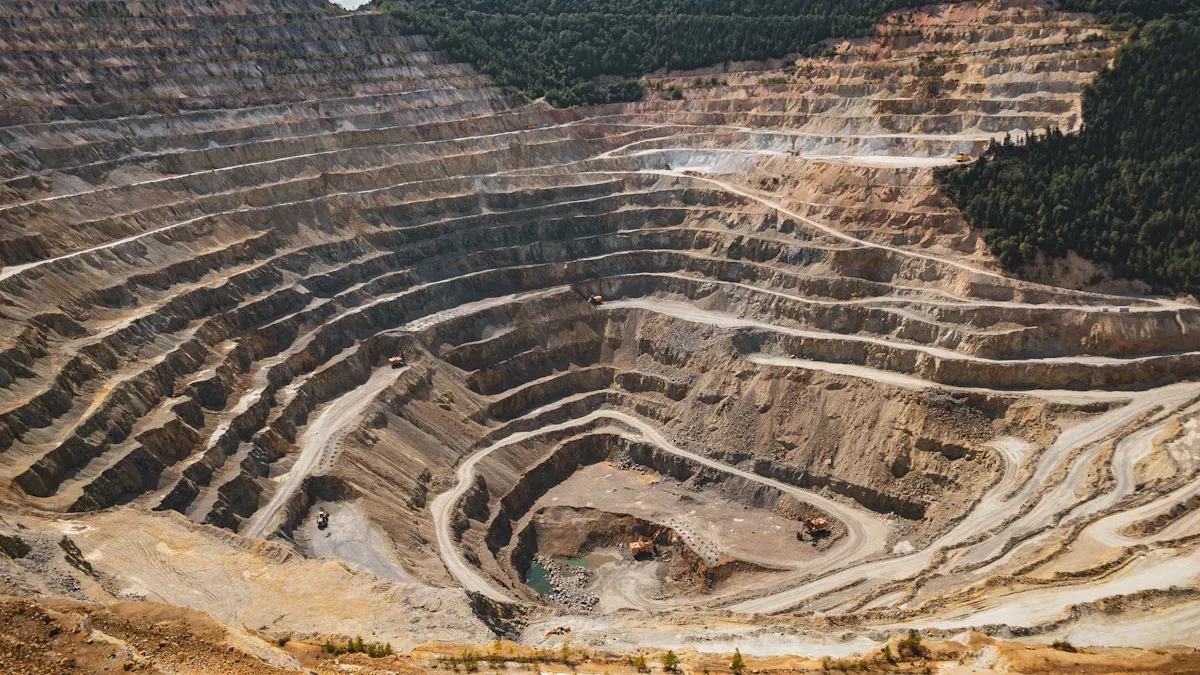
Heat-treated Caterpillar bucket teeth deliver unmatched durability. They offer superior performance and significant long-term cost savings. This makes them the optimal choice for demanding earthmoving tasks. A CAT alloy steel tooth ensures reliability in tough conditions. Operators benefit from their robust design.
Key Takeaways
- Heat treatment makes Caterpillar bucket teeth much stronger. This helps them last longer and resist breaking in tough digging jobs.
- These special teeth dig better and faster. This means your machines work more efficiently and get more done.
- Using heat-treated teeth saves money over time. They need fewer replacements and less repair, which lowers overall costs.
Enhanced Durability of Heat-Treated Caterpillar Bucket Teeth
The Science Behind Heat Treatment for Longevity
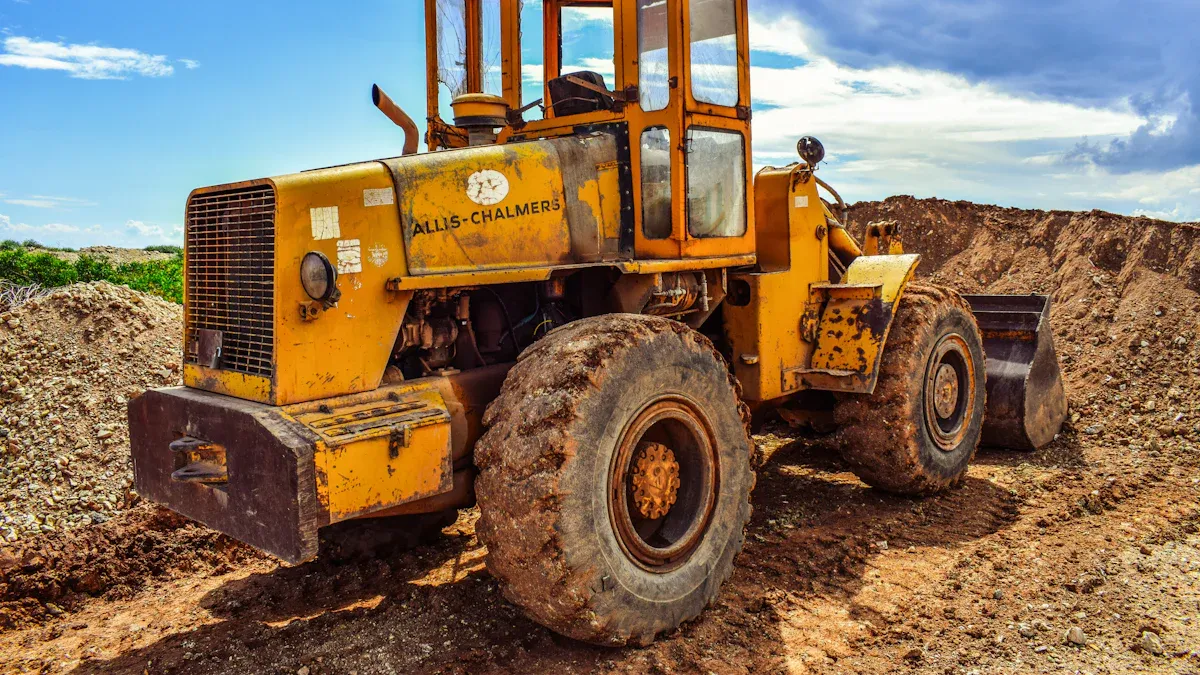
Heat treatment fundamentally transforms the properties of steel, making it ideal for demanding applications like earthmoving. Caterpillar bucket teeth undergo a complete heat treatment process. Manufacturers utilize high-quality materials with stable chemical compositions. This process enhances both hardness and toughness. The microstructure of heat-treated steel directly contributes to increased longevity. Optimized quenching processes achieve fine martensite. This microstructure provides a good combination of high strength, wear resistance, and toughness. It allows the bucket teeth to withstand significant impact, compression, and bending forces. This leads to a longer service life compared to materials with less dense or coarser microstructures. For example, 30CrMnSi steel achieves optimal impact toughness (74 J) with an optimal quenching temperature of 870 °C, yielding fine martensite. Deviations from this temperature, either lower or higher, reduce impact toughness. Lower temperatures lead to inhomogeneous austenitization or more ferrite. Higher temperatures cause austenite grain coarsening and coarse martensite.
| Steel Type | Quenching Temperature (°C) | Microstructure | Properties |
|---|---|---|---|
| 30CrMnSi | 870 | Relatively fine martensite | High strength, good toughness, highest impact toughness (74 J) |
| 30CrMnSi | Below 870 | Inhomogeneous austenitization or more ferrite | Decreased impact toughness |
| 30CrMnSi | Above 870 | Coarse martensite (due to austenite grain coarsening) | Decreased impact toughness |
This refined internal structure is a key differentiator.
Superior Wear Resistance in Abrasive Conditions
Heat treatment significantly enhances the hardness and toughness of alloy steel used in bucket teeth. This is crucial for improving wear resistance. Heat-treated teeth exhibit superior wear resistance in abrasive conditions. Caterpillar bucket teeth utilize proprietary alloys and specialized heat treatment. They frequently demonstrate an advantage in extreme abrasive conditions. These conditions include sand, gravel, or hard-packed clay. This specialized material science and treatment contribute to their superior longevity and wear resistance. They outperform other options, even those with strong materials and smart designs. Industry standards and tests quantify this superior wear resistance.
- The Dry Sand Rubber Wheel Test (DSRWT) effectively evaluates the abrasive wear resistance of bucket tooth materials.
- Other laboratory tribo-apparatuses assess abrasive wear resistance. These include the Wet Sand Rubber Wheel Test (WSRWT) and the Sand Steel Wheel Test (SSWT).
- These tests measure three-body wear. They press a sample against a rotating wheel with abrasive sand. Volume loss quantifies wear resistance.
Reduced Breakage and Chipping for Consistent Operation
Heat treatment significantly enhances the mechanical properties of alloy steel bucket teeth. It increases both hardness and toughness. This process involves heating the steel to a specific temperature. Then, manufacturers rapidly cool it. This alters the internal structure of the steel. The resulting increased toughness prevents chipping under impact loads. It enables the material to absorb energy and deform without fracturing. This ensures the teeth withstand heavy-duty excavation work and high impact forces. Heat treatment leads to the development of a slat-martensite synthetic organization within the bucket teeth. This specific martensitic microstructure forms easily through simple heat treatment. It contributes to the material’s ability to withstand extreme forces and pressures. This prevents chipping under impact loads.
Optimized Performance with Heat-Treated Caterpillar Bucket Teeth
Consistent Penetration and Digging Efficiency
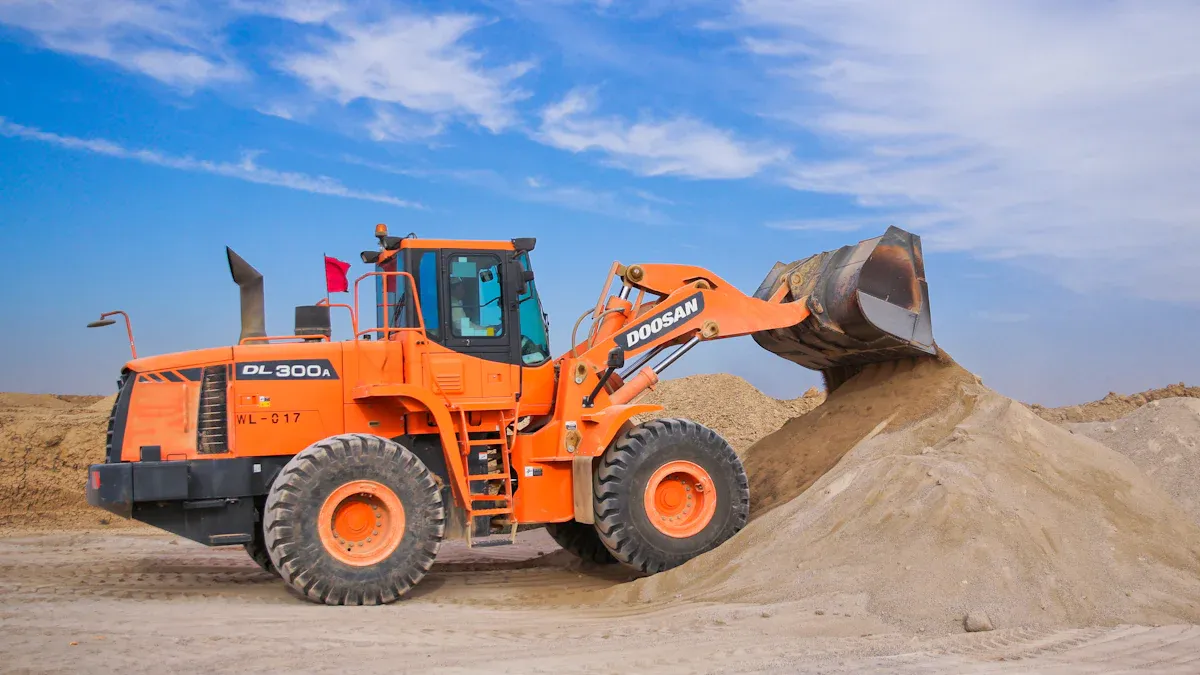
Heat-treated bucket teeth provide consistent penetration. This directly improves digging efficiency. Precision engineering, optimized tooth geometry, and surface treatment technologies, including heat treatment, significantly enhance penetration efficiency. This improved efficiency directly reduces fuel consumption during excavation operations. It lowers operational costs and supports sustainability initiatives. The interaction between wheel loader teeth and the bucket also impacts fuel consumption. When teeth are made of high-strength alloy steels and heat-treated for hardness and wear resistance, they ensure consistent penetration. This reduces the energy required to load material. It leads to lower fuel costs. This is crucial for reducing operating costs and carbon emissions. Operators experience less resistance when digging. This allows the machine to work more smoothly. The consistent penetration also reduces stress on the excavator’s hydraulic system. This extends the life of other components.
Improved Material Flow and Productivity
Heat-treated bucket teeth are designed for optimal material flow. Their robust construction and precise shape minimize material buildup. This prevents clogging and ensures a smooth, continuous digging cycle. Efficient material flow means the bucket fills faster and more completely. This increases the volume of material moved per cycle. Ultimately, this boosts overall productivity on the job site. Less resistance during digging also allows the machine to operate at higher speeds. This further enhances output. The superior wear resistance of these teeth maintains their original profile longer. This ensures consistent performance over time. This consistent performance directly translates into more material moved per hour.
Versatility Across Diverse Applications
Heat-treated bucket teeth demonstrate superior versatility across many applications. Heat treatment processes give steel superior hardness and durability. This makes it ideal for high-impact and abrasive environments. These teeth are perfect for earthmoving and excavation. They dig through compacted soil, clay, and other tough materials. In mining operations, they effectively handle abrasive rocks and extract minerals in harsh conditions. Demolition tasks also benefit from these teeth. They break apart concrete, asphalt, and other dense materials. Infrastructure projects, such as road building and foundation digging, rely on them for large-scale construction work.
- Quarrying and mining: They excel at breaking through rock formations and extracting minerals.
- Road construction: They efficiently cut through compacted ground and rocky surfaces during excavation.
- Demolition work: They handle debris and break apart concrete or asphalt.
- Heavy-duty excavation: They are appropriate for digging in areas with dense, rocky soil or mixed materials.
Heat-treated alloy steel creates heavy-duty excavator bucket teeth. This enhances their wear resistance and durability. This robust construction minimizes breakage, even in abrasive environments. These teeth feature thicker edges and reinforced structures. They handle intense workloads without compromising performance. Rock excavator bucket teeth, also made with heat-treated alloy steel, have reinforced tips and a sharper profile. They penetrate dense, compacted ground and break through tough materials like stone and gravel. This offers superior wear resistance and an extended lifespan. Caterpillar Bucket Teeth provide reliable performance in all these demanding scenarios.
Long-Term Value and Cost Savings with Heat-Treated Caterpillar Bucket Teeth
Minimized Downtime and Maintenance Requirements
Heat-treated bucket teeth significantly reduce maintenance frequency and associated labor costs. Heat treatment processes, such as quenching and tempering, enhance surface hardness and wear resistance. This alters the microstructure, forming martensite or bainite, while preserving toughness. This optimization leads to a longer service life and reduced replacement frequency. These factors directly lower maintenance costs, including labor and equipment downtime. Forged teeth also undergo heat treatment to achieve uniform mechanical properties and high hardness. This contributes to extended durability and fewer replacements. The enhanced durability directly reduces replacement frequency, consequently lowering overall maintenance costs.
Extended Replacement Cycles
The superior durability of heat-treated bucket teeth directly translates into extended replacement cycles. Their robust construction withstands harsh conditions for longer periods. This means operators spend less time changing teeth and more time working. This extended lifespan contributes to greater operational efficiency and reduced material consumption over time.
Maximizing Total Cost of Ownership
Heat-treated bucket teeth lower the total cost of ownership (TCO) and maximize machine performance. These advanced parts, especially those incorporating boron during heat treatment, become harder, longer-lasting, and more durable. This extends change intervals and increases productivity. Choosing upgraded options like heat-treated cutting edges prevents premature failure and costly downtime in abrasive environments. Evaluating TCO, which includes edge lifespan, maintenance frequency, and downtime, is essential for cost-effective choices. A common complaint of teeth chipping after only one day in rocky soil often points to poor heat treatment. Proper heat treatment is critical in preventing such failures, reducing replacement costs, and contributing to a lower TCO.
| Feature | J Series Teeth | K Series Teeth |
|---|---|---|
| Design | Traditional, hammerless pin system | Advanced, hammerless cap retention system |
| Installation/Removal | Requires a hammer and punch, can be time-consuming and hazardous | Quick and easy, often tool-free, safer |
| Retention System | Pin and retainer | Vertical drive pin |
| Wear Life | Good, but can be prone to premature wear if pins are not properly seated | Enhanced, more material in wear areas, self-sharpening |
| Penetration | Good | Excellent, sharper profile |
| Maintenance | Higher risk of pin loss, more frequent checks | Lower risk of loss, less frequent checks |
| Cost | Generally lower initial cost | Generally higher initial cost |
| Productivity | Standard | Increased due to better penetration and less downtime |
| Safety | Lower due to hammer use | Higher due to hammerless system |
| Applications | General excavation, older machines | Demanding applications, newer machines, improved efficiency |
| ROI Impact | Lower initial investment, but potentially higher long-term maintenance and downtime costs | Higher initial investment, but lower long-term maintenance, increased productivity, and enhanced safety lead to better overall ROI |
| Key Benefit | Cost-effective for less demanding tasks | Superior performance, safety, and reduced downtime for higher productivity and better ROI |
Heat-treated Caterpillar bucket teeth deliver unparalleled durability, operational efficiency, and substantial cost benefits. Investing in these advanced teeth ensures higher productivity and greater profitability for any operation. They represent the smart, reliable choice for superior earthmoving performance in demanding environments.
FAQ
What makes heat-treated bucket teeth better?
Heat treatment enhances steel’s hardness and toughness. This process improves wear resistance and prevents breakage. It ensures longer life and consistent performance for the teeth.
How do heat-treated teeth save money?
They last longer, reducing replacement frequency. This minimizes downtime and labor costs. Operators achieve greater productivity, lowering the total cost of ownership.
Can heat-treated teeth work in all conditions?
Yes, they offer superior versatility. Their enhanced durability allows them to perform effectively in abrasive conditions. These include rock, sand, and compacted soil.

Post time: Dec-30-2025