
Caterpillar bucket teeth achieve superior durability through advanced material composition, innovative design engineering, and stringent manufacturing processes. These include specialized CAT wear-resistant alloy and precision heat-treated bucket teeth. Such integrated elements ensure an extended lifespan and exceptional performance in demanding environments, clearly demonstrating why CAT teeth are durable.
Key Takeaways
- Caterpillar bucket teeth are very strong because they use special metal mixes and are heated in a specific way. This makes them tough against hard work and rough surfaces.
- The teeth are designed smartly. Their shapes help them cut better, and they have strong locks to stay in place. They also sharpen themselves as they are used.
- Caterpillar makes these teeth with great care. They use special methods like forging and casting. They also check the quality very strictly to make sure every tooth is strong and lasts a long time.
Superior Material Composition for Durability

Caterpillar bucket teeth achieve their remarkable toughness through carefully engineered material compositions. These compositions involve specialized alloy steels and precise heat treatment processes. These elements work together to create a material that withstands extreme forces and abrasive conditions.
Proprietary Alloy Steels
Caterpillar develops and uses proprietary alloy steels specifically for its bucket teeth. These unique blends contain specific ratios of elements like carbon, manganese, chromium, and molybdenum. These elements enhance the steel’s strength, hardness, and wear resistance. The careful selection of these alloys allows the teeth to maintain their structural integrity even under intense impact and abrasion. These proprietary alloys consistently surpass standard steels in critical mechanical properties.
| Material Grade | Tensile Strength (N/mm2) | Hardness (HRC) |
|---|---|---|
| T1 | 1500 | 46-52 |
| T2 | 1450 | 46-50 |
This table illustrates the high tensile strength and hardness ratings of Caterpillar’s T1 and T2 material grades. These values demonstrate the superior performance of these specialized alloys compared to conventional steels.
Advanced Heat Treatment Processes
Manufacturers subject Caterpillar bucket teeth to advanced heat treatment techniques. This process optimizes the steel’s microstructure, which directly influences its mechanical properties. Precise control over heating and cooling rates allows the steel to achieve the desired balance of hardness and toughness. This balance is crucial for resisting both wear and impact.
The heat treatment process involves several critical stages:
- Austenitizing: Manufacturers heat the iron-carbon alloy above its critical point. This transforms the material into austenite, which has a Face-Centered Cubic (FCC) structure.
- Quenching: Workers rapidly cool the austenitized teeth. This rapid cooling converts the austenite into martensite, a Body-Centered Tetragonal (BCT) structure. Martensite is very hard but can be brittle.
- Tempering: Technicians then reheat the martensite to a lower temperature. They cool it again, which reduces brittleness and significantly improves the material’s toughness.
Metallographic analysis plays a vital role in this stage. Using optical or electron microscopy, engineers examine the microstructure of the forged teeth. This analysis reveals the material’s grain structure, phase distribution, and the effectiveness of the heat treatment processes. It ensures the teeth possess the desired mechanical properties and microstructural characteristics for optimal performance. CAT’s advanced heat treatment techniques precisely control heating and cooling rates. This optimizes the hardness and toughness of bucket teeth, enabling them to withstand demanding conditions effectively.
Advanced Design Engineering: Why CAT Teeth Are Durable
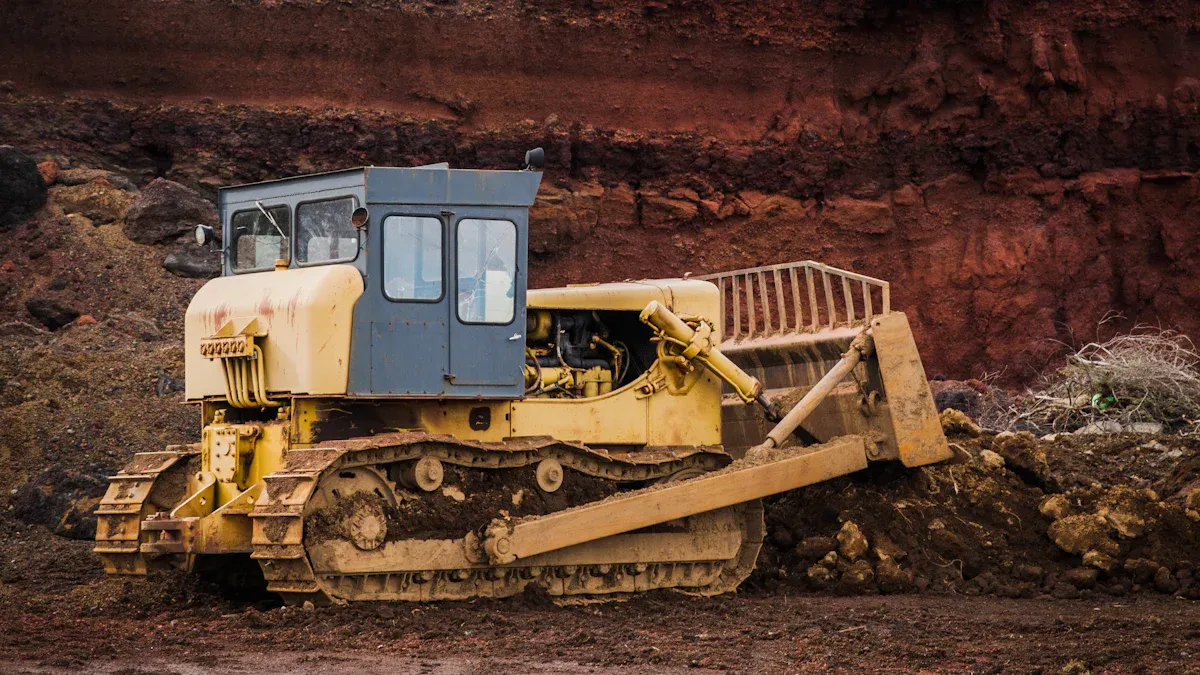
Advanced design engineering is another key factor explaining why CAT teeth are durable. Caterpillar engineers meticulously craft each bucket tooth. They focus on optimal performance and extended service life. This careful design process ensures the teeth withstand harsh working conditions.
Optimized Tooth Geometry and Shape
Caterpillar designs its bucket teeth with specific shapes. These shapes improve how the teeth cut into materials. For example, the 4T4702TL Forged Bucket Teeth use a Triple-Lip (TL) design. This design offers excellent penetration. It also reduces resistance during digging. Strategic wear patterns keep the teeth sharp throughout their use. This ensures consistent penetration efficiency.
The J800 Heavy Penetration Loader Bucket Tip 135-9800 also shows this advanced engineering. Its sharp profile reduces resistance. This allows the teeth to cut through tough materials easily. This focus on penetration boosts productivity. It also lowers the energy needed for digging. This design excellence is a major reason why CAT teeth are durable. It leads to faster task completion and reduced strain on equipment.
Secure Locking Mechanisms
Bucket teeth must stay firmly attached to the bucket. Caterpillar uses secure locking mechanisms for this purpose. These mechanisms prevent teeth from falling off during tough operations. The Caterpillar J-Series Tooth System uses a side-pin design. This design keeps the teeth securely in place. Different Caterpillar tooth series use various locking methods.
| Tooth Series | Retainer Location | Retainer Type | Identifying Note |
|---|---|---|---|
| CAT J SERIES / CAT R SERIES | SIDE | ROUND PIN & RING | RECTANGULAR POCKET |
| CAT K SERIES | TOP | WEDGE PIN & LOCK SPRING | HAS TABS/ FLANGES |
| CAT DRS | DIAG | ROUND PIN & RING | PIN INSTALLS RIGHT SIDE FACING BUCKET |
| CAT ADVANSYS | SIDE | INCLUDED IN TOOTH | LOCK TURNS TO CLICK |
These robust locking systems contribute significantly to why CAT teeth are durable. They ensure continuous operation and prevent costly downtime.
Self-Sharpening Features
Caterpillar bucket teeth also feature self-sharpening designs. This means the teeth maintain their sharp edge as they wear down. This design ensures consistent digging performance over time. It also extends the teeth’s overall wear life.
| Feature | Penetration | Tiger | Chisel | Heavy Duty | Long |
|---|---|---|---|---|---|
| Self-Sharpen | Yes | Yes | Yes | Some | Some |
| Wear Life | Long | Long | Extended | Extended | Extended |
Caterpillar engineers its bucket teeth and tips for self-sharpening. This design helps them keep optimal digging performance. It also contributes to a longer service life. This innovative feature is another reason why CAT teeth are durable. It ensures maximum efficiency throughout the product’s lifespan.
Stringent Manufacturing and Quality Control
Caterpillar ensures the durability of its bucket teeth through strict manufacturing and quality control. These processes guarantee each tooth meets high standards. They combine advanced techniques with thorough inspections.
Precision Forging and Casting Techniques
Caterpillar manufactures bucket teeth using both forging and casting. Forging involves applying pressure to metal. This process enhances mechanical properties and wear resistance. It creates a continuous grain flow within the metal. This superior grain structure helps distribute stresses evenly. It also prevents micro-cracks. Forged bucket teeth often use 30CrMnSi alloy steel. This process yields excellent mechanical properties and a longer service life.
Casting involves pouring liquid metal into a mold. This forms the desired shape upon cooling. Casting bucket teeth are typically made from austenitic ductile iron. This method offers good wear resistance and penetration. However, cast teeth generally have inferior wear resistance and toughness compared to forged teeth. Precision casting is also used. It can sometimes surpass forged teeth in quality due to specific ingredients.
Rigorous Quality Assurance
Caterpillar maintains strict quality control standards. Every batch of CAT bucket teeth undergoes rigorous testing. This testing ensures consistent quality and performance. Each tooth meets high specifications. This leads to reliable operation and predictable wear patterns. It also minimizes unexpected failures on job sites.
Continuous Innovation in Production
Caterpillar continuously innovates its production methods. This improves the performance of new bucket tooth models. High-quality alloy melting processes ensure strength and wear resistance. Heavy-duty designs, like those with a center rib, enhance penetration and durability. A lateral thickening design improves wear resistance across various terrains. This allows consistent performance in rocky, sandy, or clay environments. These innovations help customers increase wear life, decrease downtime, and boost productivity.
Caterpillar bucket teeth achieve exceptional durability. This results from specialized material science, intelligent design, and meticulous manufacturing. This synergistic approach ensures prolonged service life and consistent performance in challenging applications. Choosing Caterpillar bucket teeth means investing in reliability, efficiency, and reduced operational downtime. This clearly demonstrates why CAT teeth are durable.

Post time: Dec-22-2025