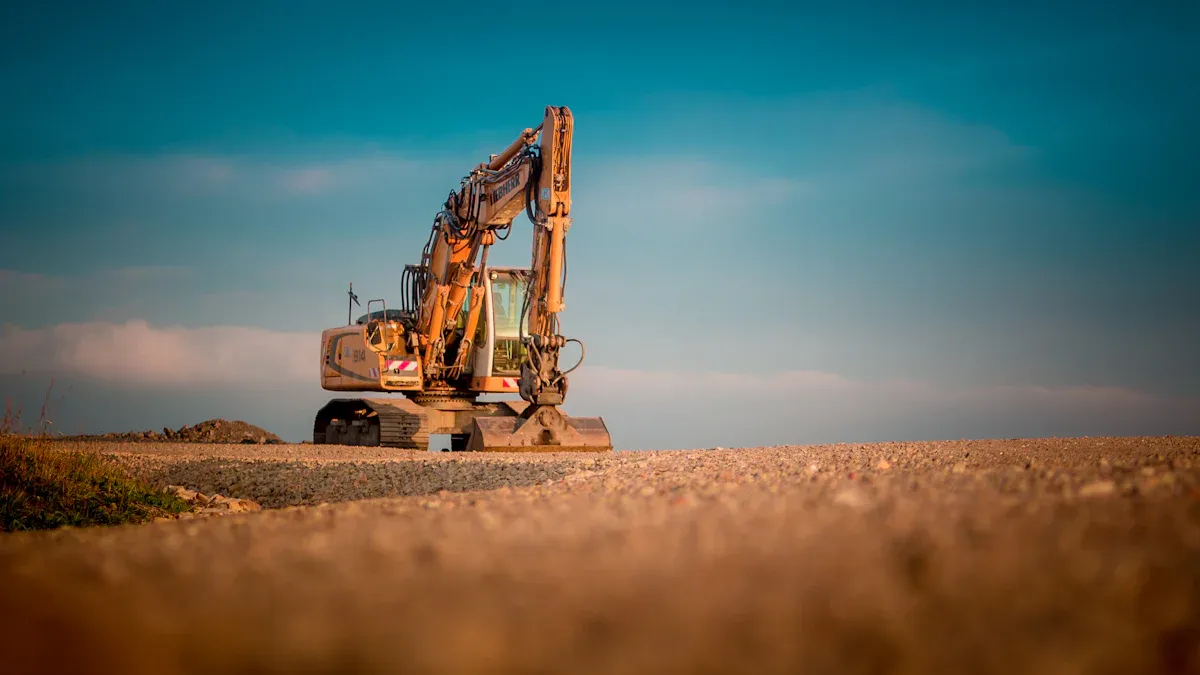
The Caterpillar rock bucket teeth, especially the 1U3302RC Caterpillar model, excel in rock and mining applications. Their design emphasizes durability and performance under extreme conditions. Recent innovations, such as the Advansys Tips and Adapters system, significantly reduce stress and installation time. This advancement meets the rising demand for high-strength alloys in the mining industry.
Key Takeaways
- Caterpillar bucket teeth, especially the Cat K tooth, offer exceptional durability and performance in rock and mining applications.
- Choosing the right bucket tooth involves considering material composition, hardness ratings, and compatibility with your equipment.
- Investing in high-quality bucket teeth can reduce replacement frequency and save on operational costs, enhancing overall efficiency.
Key Features of Caterpillar Bucket Teeth
Durability
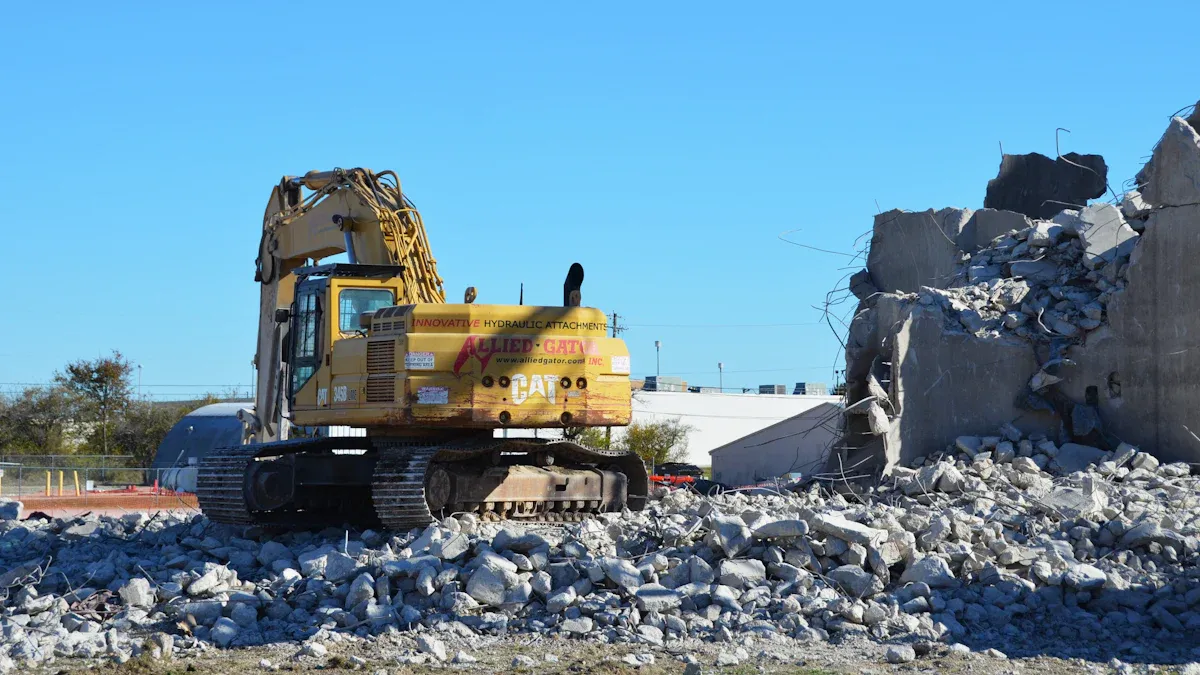
Caterpillar rock bucket teeth are renowned for their exceptional durability. They are constructed from proprietary hardened alloy steel, which undergoes forging and heat treatment. This process enhances their resistance to wear and impact. Additionally, some models feature tungsten carbide or chromium-based overlays, providing improved abrasion resistance in harsh environments. Regular inspections and timely replacements of worn teeth can significantly extend their lifespan.
Compatibility
Compatibility is crucial when selecting bucket teeth for specific equipment. Caterpillar rock bucket teeth are designed to fit a wide range of Caterpillar machinery. This compatibility ensures optimal performance and reduces the risk of equipment damage. Operators should always verify that the selected teeth match their equipment specifications to maintain efficiency and safety.
Performance in Tough Conditions
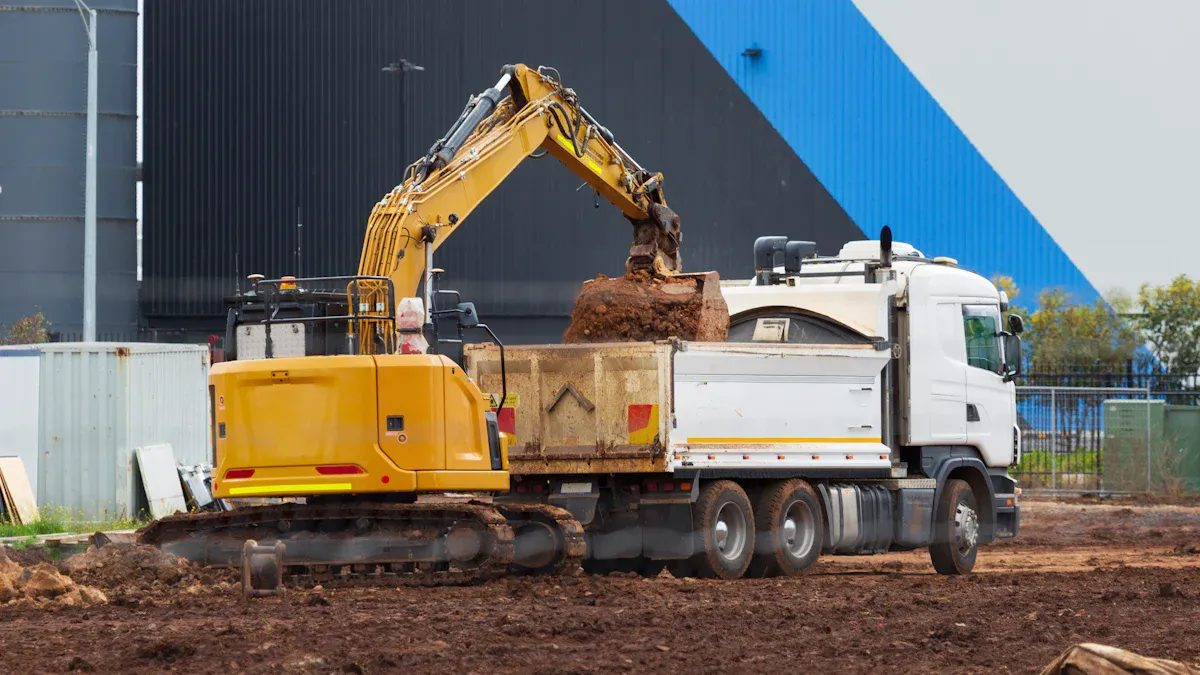
Caterpillar bucket teeth excel in extreme rock and mining conditions. In high-impact and high-vibration environments, these teeth demonstrate superior reliability. As noted, “In extreme working conditions, if the bucket tooth suddenly breaks, it poses significant risks to the equipment, operators, and production efficiency.” Caterpillar’s innovative designs help distribute wear evenly, enhancing longevity and performance. The advanced K-Series teeth, for example, allow for deeper penetration, making them ideal for tough materials.
Recommended Caterpillar Bucket Tooth Models
Model 1: Cat K Tooth
The Cat K tooth stands out as a premier choice for rock and mining applications. Its construction utilizes high-strength alloy steel, which undergoes heat treatment to enhance toughness and impact resistance. This design makes it particularly effective in abrasive conditions.
Key specifications include:
- Durability: The Cat K tooth’s robust design ensures longevity, even in harsh environments.
- Penetration: Its aerodynamic profile and engineered tip geometry facilitate efficient digging, reducing hydraulic load and fuel consumption.
- Wear Resistance: Advanced surface hardening technologies and wear-resistant alloys contribute to its exceptional performance.
- Fit and Compatibility: The tooth is manufactured to precise tolerances, ensuring secure attachment to Cat-compatible adaptors and buckets.
These features make the Cat K tooth an excellent option for operators seeking reliability and efficiency in their rock excavation tasks.
Model 2: Caterpillar Rock Teeth
Caterpillar Rock Teeth are specifically designed for challenging environments. Their robust shape and material composition set them apart from other bucket teeth.
| Feature | Caterpillar Rock Teeth | Other Bucket Teeth |
|---|---|---|
| Design | Robust shape for rocky environments | Varies, not specifically optimized |
| Strength | Excellent strength and impact resistance | May not provide the same level |
| Application | Effective for breaking and prying through hard rock | General use, not specialized for rock |
In mining operations, these teeth demonstrate reduced wear rates, particularly when made from heat-treated high-manganese steel. This material can decrease wear by approximately 35% compared to standard cast steel teeth. The hardness of the tooth material plays a crucial role in wear resistance, impacting both abrasion and impact resistance. Operators should consider the specific rock conditions to maximize the effectiveness of Caterpillar rock bucket teeth.
Model 3: Twin Tiger Teeth
Twin Tiger Teeth offer unique advantages for rock excavation. Their design features two cutting edges, which enhance digging efficiency and material breaking.
| Advantage | Explanation |
|---|---|
| Larger Surface Area | The unique design allows for more effective digging and breaking of materials. |
| Better Penetration | Angled cutting edges improve penetration into hard materials, enhancing overall efficiency. |
| Self-Sharpening Design | As the teeth wear, they maintain sharpness, extending their lifespan and cutting power. |
| Durability and Wear Resistance | Designed to withstand tough conditions, making them ideal for construction and mining operations. |
The dual penetration points distribute force across two areas, reducing stress on any single point. This design not only enhances performance but also provides a self-sharpening effect as the teeth wear. However, operators should note that while Twin Tiger Teeth excel in hard materials, they may have a shorter service life compared to other designs due to their focus on penetration.
Comparison of Recommended Models
Performance Analysis
When evaluating the performance of the recommended Caterpillar bucket teeth, several metrics come into play. The table below summarizes the comparative performance metrics of the Cat K Tooth, Caterpillar Rock Teeth, and Twin Tiger Teeth in rock and mining applications:
| Tooth Type | Penetration | Impact | Wear Life |
|---|---|---|---|
| Cat K Tooth | Moderate | High | Moderate |
| Caterpillar Rock Teeth | High | High | High |
| Twin Tiger Teeth | High | High | Low |
- Caterpillar bucket teeth often perform better in extreme abrasive conditions due to proprietary alloys and heat treatment.
- Twin Tiger Teeth provide excellent penetration and impact resistance, making them suitable for tough materials.
Durability Assessment
Durability is a critical factor in selecting bucket teeth for heavy-duty mining applications. Caterpillar bucket teeth are designed for longevity, particularly in challenging environments. Under heavy-duty conditions, their lifespan typically ranges from 200 to 500 hours. In contrast, general-purpose teeth can last between 400 to 600 hours in softer conditions.
- The Cat K Tooth and Caterpillar Rock Teeth exhibit robust durability, thanks to their high-strength materials and advanced manufacturing processes.
- Twin Tiger Teeth, while effective in penetration, may have a shorter service life due to their design focus on cutting efficiency.
Cost Comparison
Cost-effectiveness is essential when choosing the right bucket teeth. Investing in premium bucket teeth may incur a higher initial cost, but they often last 2-3 times longer than cheaper alternatives. This longevity reduces the frequency of replacements and associated labor costs.
Consider the following cost analysis:
- An OEM tooth costs $100 and lasts 500 hours, resulting in a cost per hour of $0.20.
- An aftermarket tooth costs $60 and lasts 450 hours, leading to a cost per hour of approximately $0.13.
- This comparison shows that the aftermarket option can provide significant operational savings without compromising performance.
Additionally, using the correct bucket can reduce fuel consumption by up to 15%. Caterpillar’s Advansys GET can extend bucket tip life by up to 30% and adapter life by up to 50% compared to industry standards. Changing bucket tip profiles can result in moving 6% more material per hour and 8% more material per liter of fuel burned.
Choosing the Right Caterpillar Rock Bucket Teeth
Application Considerations
Selecting the right Caterpillar rock bucket teeth requires careful consideration of several factors. Operators should evaluate the following:
- Material Composition: High-chromium alloy or wear-resistant alloy steel is recommended for durability.
- Hardness Ratings: Specific ranges, such as 45-55 HRC, are ideal for heavy-duty work.
- Tooth Design: The design must match the material being excavated. For instance, rock chisel teeth work well for hard rock, while heavy-duty teeth suit demolition tasks.
- Environmental Factors: Moisture, chemicals, and temperature extremes can significantly impact performance and longevity.
Proper tooth selection enhances productivity and reduces maintenance costs. Matching bucket teeth to job conditions maximizes efficiency and minimizes expenses. Different materials and ground types necessitate specific tooth designs for optimal performance. For example, digging, loading, and ripping applications each require distinct tooth characteristics. The Cat K Series teeth are particularly advantageous for digging due to their hammerless design, which facilitates quick tooth replacement.
Equipment Compatibility
Compatibility is crucial when installing Caterpillar bucket teeth on mining machinery. Operators must ensure that:
| Compatibility Aspect | Details |
|---|---|
| Loader Model | Replacement bucket teeth and adapters must match the specific loader model for secure fit and optimal performance. |
| Tooth Compatibility | Ensure the 1U3302 tooth is compatible with the existing bucket, adapter, and retaining pin system. |
| Fit and Alignment | Check for exact fit with the 1U3302 adapter, compatibility with locking pin or clip system, and foot diameter and taper alignment to prevent loosening. |
By addressing these compatibility aspects, operators can avoid common issues and ensure efficient operation of their equipment.
In summary, the Cat K tooth excels in rock and mining applications. Its superior wear resistance and impact strength make it a top choice. Operators should evaluate their specific needs and ensure compatibility with their equipment. Selecting the right bucket tooth enhances efficiency and productivity in demanding environments.
FAQ
What is the lifespan of Caterpillar bucket teeth?
Caterpillar bucket teeth typically last between 200 to 600 hours, depending on the model and working conditions.
How do I know which bucket tooth to choose?
Consider the material type, hardness ratings, and specific application needs to select the appropriate bucket tooth.
Can I use aftermarket bucket teeth on Caterpillar equipment?
Yes, but ensure compatibility with your specific Caterpillar model to maintain performance and safety.
Post time: Mar-14-2026