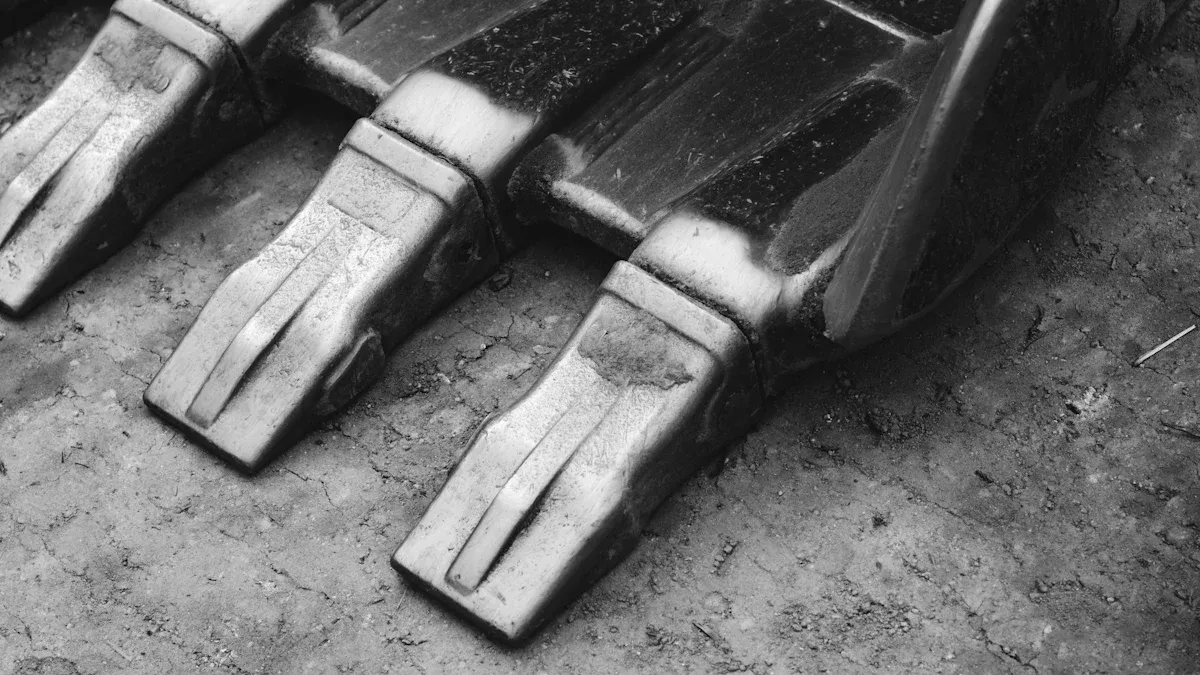
Choosing the right CAT bucket tooth is critical for operational efficiency. Proper CAT bucket tooth selection significantly boosts productivity and reduces operational costs; one new Cat system cut cost per hour by 39%. This choice also directly links to equipment longevity. This guide explores CAT bucket tooth types explained, helping with excavator tooth classification.
Key Takeaways
- Choosing the right Caterpillar bucket tooth improves work efficiency and saves money.
- Different types of bucket teeth exist for various jobs, like digging in soft dirt or breaking hard rock.
- Regular checks and proper care of your bucket teeth make them last longer and keep your machine working well.
Understanding Caterpillar Bucket Teeth Systems
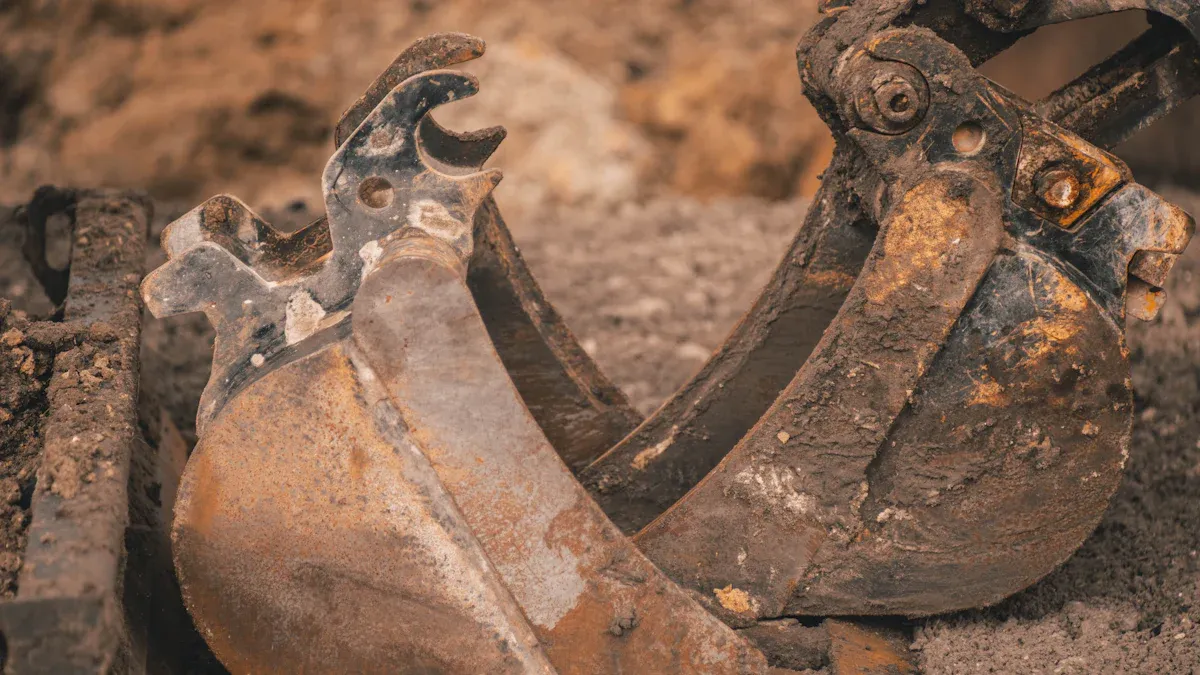
Different Caterpillar bucket teeth systems exist. Each offers unique benefits for various tasks. Operators understand these systems to choose the best option.
Pin-on CAT Bucket Tooth Systems
Pin-on systems are common. They use a simple design for attachment. A typical Pin-on CAT bucket tooth system includes a tooth, a pin, and a keeper. Some systems feature a Tooth Lock Pin, a Retainer Pin Washer, and a Roll Pin. These components secure the tooth to the adapter. This design allows for easy replacement.
Weld-on CAT Bucket Tooth Systems
Weld-on systems provide a strong, permanent connection. Workers weld the adapter directly onto the bucket lip. This method creates a robust attachment. These systems are ideal for applications requiring maximum strength in tough digging conditions.
Hammerless CAT Bucket Tooth Systems (K Series)
Hammerless systems prioritize safety and ease of use. The hammerless pin system has integrated retention components. This design makes installations and replacements safer for excavator bucket teeth. The Cat Advansys system can retrofit to K series. It simplifies the process, requiring no special tools for quick tip removal.
Caterpillar J Series CAT Bucket Tooth Systems
The J Series features a side pin retention mechanism. This design offers excellent retention, high performance, and versatility. Caterpillar optimized the design for enhanced digging. They crafted these teeth for extended lifespan. The system uses proprietary heat-treated alloy steel. This material provides toughness and impact resistance. Genuine Cat J Series adapters ensure secure tooth and pin fitment.
Cat Advansys CAT Bucket Tooth Adapters
Cat Advansys adapters suit demanding high production applications. They are effective for wheel loaders and hydraulic excavators. These adapters work with many bucket types, including backhoe, loader, and mining shovels. Their design enhances productivity.
Diverse CAT Bucket Tooth Types and Their Applications
Different projects demand specific tools. Caterpillar offers a wide range of bucket teeth. Each tooth type excels in particular conditions and applications. Understanding these differences helps operators choose the best option for their work.
Standard CAT Bucket Tooth for General Digging
The standard CAT bucket tooth serves general digging needs. It works well in common soil conditions. This tooth provides a good balance of penetration and wear life. Operators often use it for everyday excavation tasks. It is a versatile choice for many construction and earthmoving jobs.
General-Purpose Chisel CAT Bucket Tooth for Mixed Conditions
A general-purpose chisel CAT bucket tooth handles mixed ground conditions. Its design offers better penetration than a standard tooth. It also maintains good wear resistance. This tooth is suitable for projects involving varying soil types, from soft dirt to moderately compacted ground. It provides flexibility for diverse job sites.
Abrasion Resistant CAT Bucket Tooth for Abrasive Materials
An abrasion resistant CAT bucket tooth is essential for harsh environments. It withstands constant friction from tough materials. The composition of bucket teeth is crucial for their performance. Harder materials offer greater strength and resistance to wear, abrasion, and stress. Innovations in materials science have led to the development of bucket teeth using strong materials like austempered ductile iron. This material, combined with specialized manufacturing techniques, resists abrasive conditions. These conditions include working with sand, gravel, and rock.
| Feature | Specification |
|---|---|
| Material | Alloy steel |
| Hardness | 47-52HRC |
| Impact Value | 17-21J |
| Production Process | High quality materials with stable chemical composition and complete heat treatment |
Penetration CAT Bucket Tooth for Hard Ground
A penetration CAT bucket tooth excels in challenging ground. Its sharp design allows it to cut through tough surfaces. This tooth is ideal for:
- High-impact, hard-to-penetrate materials
- Concrete
- Rock
- Asphalt
- Compacted soil
- Rocky terrain
- Dense soil
It focuses the machine’s power into a small area. This action breaks up hard ground efficiently.
Heavy Duty CAT Bucket Tooth for Tough Applications
Heavy duty CAT bucket teeth are built for extreme conditions. They perform well in environments with high impact and severe abrasion. Their robust construction and superior hardness allow them to withstand repeated blows and grinding forces. This makes them ideal for demanding applications such as rocky mining and demolition. Unlike standard teeth, which suit general applications, heavy-duty teeth offer extreme durability in highly abrasive or high-impact conditions.
| Property | Heavy-Duty CAT Bucket Teeth |
|---|---|
| Materials | Advanced alloy steels (e.g., Hardox 400, AR500) |
| Brinell Hardness | 400-500 HB |
| Thickness | 15-20mm |
| Forged Teeth Hardness | 48-52 HRC |
| Hardox Steel Hardness | Up to 600 HBW |
| AR400 Steel Hardness | Up to 500 HBW |
These teeth offer significant benefits:
- Prolonged tool life and protection of essential machine components result in lower operating costs.
- Optimized tip shapes and stronger adapter noses enhance durability.
- Simplified installation/removal processes reduce maintenance time and increase operational uptime.
- Cat heavy-duty tips, made with Abrasion Resistant Material, can double wear life.
Rock Chisel CAT Bucket Tooth for Rocky Terrain
A rock chisel CAT bucket tooth is specifically designed for rocky environments. Its robust shape provides excellent strength and impact resistance. This tooth effectively breaks and pries through hard rock formations. It is best for:
- Rock excavations
- Quarrying
- Hard, rocky soil
- Mixed rock and soil
- Rocky material
Tiger CAT Bucket Tooth for Frozen Ground and Penetration
The tiger CAT bucket tooth features a sharp, pointed design. This design concentrates the excavator’s power into a small penetration point. It effectively breaks through compact materials. Operators commonly use it for penetrating compact soil and clay. It is specifically designed for breaking through frozen ground. It also suits digging in hard, compacted materials and trenching in tough conditions.
This tooth offers several advantages:
- Narrow, pointed tip for exceptional penetration and efficiency.
- Excels in dense, compacted, or frozen material.
- Reduces strain on the hydraulic system.
- Cuts faster with less fuel use.
Its aggressive, pointed design breaks through tough, compacted soils and materials. It is ideal for hard digging conditions requiring a sharper, more focused point. This design ensures efficient penetration and reduces machine strain in tough conditions.
Twin Tiger Excavator CAT Bucket Tooth for Trenching
The twin tiger excavator CAT bucket tooth is a specialized tool for trenching. It features two sharp points. These points create a narrow, clean trench. The design minimizes resistance, allowing for faster and more precise trenching. It is ideal for utility work and pipeline installations.
Spade CAT Bucket Tooth for Finishing and Grading
A spade CAT bucket tooth has a wide, flat profile. This design makes it perfect for finishing and grading tasks. It creates smooth, level surfaces. Operators use it for backfilling, spreading materials, and fine-tuning grades. Its broad edge minimizes ground disturbance.
Stump CAT Bucket Tooth for Roots and Rocky Soil
The stump CAT bucket tooth is a specialized tool for challenging ground. It features a robust, often curved design. This design helps it rip through roots and rocky soil. It is effective for land clearing, removing stumps, and breaking up tough ground. Its strength allows it to handle significant resistance.
Fang CAT Bucket Tooth for Specific Digging Needs
A fang CAT bucket tooth offers a unique design for specific digging needs. It often features an aggressive, pointed shape with additional cutting edges. This design enhances penetration and breakout force. Operators use it for specialized tasks requiring extra cutting power or unique ground engagement.
Selecting the Right CAT Bucket Tooth for Your Project
Choosing the correct bucket tooth for an excavator or loader significantly impacts project success. Operators must consider several factors. These factors ensure maximum efficiency, productivity, and cost savings.
Matching CAT Bucket Tooth to Ground Conditions
Matching the bucket tooth to ground conditions is crucial. Experts advise consulting with Caterpillar Bucket Teeth specialists. These experts assess production and cost objectives. They also evaluate material density and characteristics. Specialists identify the bucket’s principal application. They consider the machine’s condition, match haul trucks with the excavator, and analyze operator skill levels. This helps them refine their recommendations.
The type of material being handled dictates the tooth design. For example, general-purpose teeth work well for dirt. Rock penetration teeth suit rocky soil. Heavy-duty teeth are best for abrasive materials like gravel and asphalt. Different tooth configurations exist. These include standard (long), penetration (sharp and pointed), and abrasion (wide and flat) teeth. Each configuration suits specific tasks and material encounters.
Ground conditions are also very important. Softer soils benefit from penetration teeth. Harder soils or rocky terrain require more durable and wear-resistant teeth and adapters. The specific use of the equipment, such as digging, trenching, or loading, influences tooth requirements. This necessitates teeth and adapters that match the primary tasks.
- Material Type: Different materials need specific penetration and wear characteristics. For abrasive materials like sand, limestone, or certain rocks, specialized tooth designs offer better performance and longevity.
- Application: The primary application, such as general excavation, heavy-duty quarrying, or fine grading, helps narrow down tooth options.
- Tooth Configurations: Specific tooth types are designed for various conditions:
- Excavator Abrasion Teeth: These feature extra wear material for abrasive conditions.
- Loader Abrasion Teeth: These include additional material on the bottom for increased abrasion.
- General Purpose Excavator Bucket Teeth: This is a versatile option for varying digging conditions. It tolerates abrasive materials.
- Excavator Penetration Teeth: These can dig through abrasive material. However, they are generally not recommended due to a high risk of breakage in such applications.
Considering Machine Size and Excavator Class for CAT Bucket Tooth
Machine size and excavator class directly influence tooth selection. Larger excavators and loaders generate more force. They require larger, more robust teeth and adapters. These teeth must withstand greater impact and stress. Smaller machines, like mini-excavators, use lighter, more agile teeth. These teeth prioritize precision and maneuverability. Matching the tooth system to the machine’s power and weight ensures optimal performance and prevents premature wear or damage to the equipment.
Optimizing CAT Bucket Tooth for Specific Project Types
Optimizing the bucket tooth for specific project types enhances efficiency. For trenching, a twin tiger tooth creates narrow, clean cuts. A spade tooth excels at finishing and grading, leaving smooth surfaces. Demolition projects demand heavy-duty or rock chisel teeth. These teeth withstand high impact and break through tough materials. Selecting the right tooth for the job minimizes wasted effort and maximizes productivity.
Evaluating CAT Bucket Tooth Shape and Design Benefits
The shape and design of a bucket tooth offer distinct benefits. A sharp, pointed penetration tooth concentrates force. This allows it to break through hard ground or frozen soil. A wider, flatter spade tooth distributes force. This makes it ideal for leveling and spreading material. Tiger teeth, with their aggressive points, excel in tough, compacted conditions. Each design feature serves a specific purpose. Understanding these benefits helps operators choose the most effective tooth for their task.
Assessing Cost-Effectiveness and Longevity of CAT Bucket Tooth
Assessing cost-effectiveness and longevity is vital for long-term savings. Caterpillar’s bucket specialist, Rick Verstegen, states that the correct bucket on a wheeled loader or hydraulic excavator can reduce fuel consumption by up to 15% during quarry face-loading. This happens through optimal material penetration, efficient loading, and maximum material retention. Rob Godsell, Caterpillar’s GET specialist, highlights that Cat Advansys GET can extend bucket tip life by up to 30% and adapter life by up to 50% compared to industry standards. Controlled production studies by Caterpillar also showed that changing bucket tip profiles on a Cat 980 wheeled loader resulted in moving 6% more material per hour and 8% more material per liter of fuel burned.
Durable Cat ground engaging tools (GET) are built to last longer. They protect expensive equipment and ensure maximum uptime. Made from high-quality, heat-treated steel, these components offer superior durability and resistance to breaking. This leads to significant cost savings and long-term operational efficiency. Cat bucket teeth and tips are designed for self-sharpening. This maintains digging performance and extends wear life. Genuine Cat adapters reduce stress on the bucket. This prevents costly cracks and failures. It further contributes to cost savings by avoiding expensive repairs and downtime. Caterpillar excavator teeth are cost-effective due to their robust construction and long service life. This helps minimize maintenance costs and maximize profitability over time.
Essential Maintenance for Your CAT Bucket Tooth
Proper maintenance extends the life of ground engaging tools. It also ensures optimal performance. Operators must follow essential practices for their equipment.
Regular Inspection and Wear Monitoring of CAT Bucket Tooth
Regular inspections prevent unexpected failures. Operators should check the tightening of bucket teeth and pins every 40 to 50 hours of work. They must also inspect bucket teeth for damage every 50-100 hours of use. Conduct these inspections after every 50-100 operating hours or when the excavator works in abrasive environments. This helps identify wear patterns early.
Proper Installation Techniques for CAT Bucket Tooth
Correct installation is vital for safety and performance. Follow these steps for proper tooth installation:
- Remove existing teeth. Use a pin removal tool. Hammer it into the pin from the retainer side.
- Remove the tooth and clean the adapter. Use a wire bristle brush to clean dirt.
- Insert the retainer. Place it into the retainer recess in the adapter.
- Position the tooth. Place it on the adapter. Ensure the retainer stays in place.
- Insert the pin. Insert the recess end first. Push it through the tooth and adapter from the opposite side of the retainer.
- Hammer the pin. Hammer it until it is flush with the end of the tooth.
- Lock the pin. The recess in the pin will then lock into the retainer.
Timely Replacement Guidelines for Worn CAT Bucket Tooth
Timely replacement prevents damage to the bucket. Replacement typically occurs every 500-1,000 hours. Worn teeth reduce digging efficiency. They also increase fuel consumption. Replace teeth before they wear past recommended limits.
Storage and Handling Best Practices for CAT Bucket Tooth
Proper storage protects new and used teeth. Store bucket teeth properly when not in use to prevent damage. Keep them in a dry, sheltered area. Protect them from rain and humidity to prevent rust and corrosion. Use appropriate lifting equipment when handling to avoid dropping or striking them. This ensures the longevity of each CAT bucket tooth.
Maximizing Performance and Minimizing Downtime with CAT Bucket Tooth
Matching CAT Bucket Tooth to Specific Tasks for Efficiency
Matching bucket teeth to specific tasks significantly improves operational efficiency. Operators must consider strength, penetration, and wear life for optimal performance. Caterpillar offers various Advansys™ bucket tips, including general purpose, penetration, and penetration plus tips. These tips self-sharpen as they wear. Specialized requirements might need spike, double spike, or wide tips. Cat heavy-duty tips use Abrasion Resistant Material. This welding process doubles wear life, ensuring efficiency in demanding conditions.
| Bucket Tooth Model | Compatible Equipment Class | Common Models | Application Scenarios | Efficiency Improvement |
|---|---|---|---|---|
| J200 | 0-7 ton-class | Wheel loaders 910E, 910F; backhoe loaders 416B, 416C, 426C, 436C | Light-duty scenarios (small-scale construction, landscape renovation) | Ensures the right tool for light tasks, optimizing performance and reducing wear. |
| J300 | 15-20 ton-class | Caterpillar excavators (e.g., 4T-1300) | Construction, mine stripping | Delivers exceptional strength and wear resistance for continuous operation in these demanding scenarios. |
| J460 | ~30 ton-class | Excavators; crawler loaders (953, 963, 973C); wheel loaders (972H, 980G, 988B) | Heavy-load scenarios (port loading/unloading, large-scale earthmoving) | Supports powerful digging and loading in heavy-load applications, enhancing productivity. |
Matching attachments, like bucket teeth, to an excavator’s hydraulic system and power output is crucial. This ensures optimized performance. It also reduces machine wear and decreases fuel costs. Using attachments of the correct size is essential. Consider material density and maximum reach. This ensures the attachment handles the job effectively. This strategic matching allows faster task completion, saving time and money.
Understanding Wear Patterns of Your CAT Bucket Tooth
Understanding wear patterns helps predict maintenance needs. Different types of wear affect bucket teeth. Abrasive wear happens when hard particles rub against the teeth. This is common in sandy environments. Impact wear results from repeated blows. This leads to chipping in rocky conditions. Fatigue wear occurs from continuous stress variations. This causes microscopic cracks. Corrosion wear involves chemical reactions. This degrades material in acidic conditions. Erosion wear happens when fluid-borne particles strike the surface. This is typical in dredging.
| Wear Type | Description |
|---|---|
| Abrasive Wear | Hard particles slide against the surface, removing material. |
| Impact Wear | Repeated blows cause deformation, chipping, or fracture. |
| Fatigue Wear | Cyclic loading creates microscopic cracks, leading to failure. |
| Corrosion Wear | Chemical reactions degrade material in harsh environments. |
Impact of CAT Bucket Tooth Condition on Fuel Efficiency
The condition of CAT bucket teeth directly impacts fuel efficiency. Worn teeth require more power to penetrate material. This increases fuel consumption. Sharp, properly matched teeth cut through material with less effort. This reduces the load on the engine. Optimal tooth condition leads to faster task completion. This also saves fuel. Maintaining good tooth condition helps reduce overall operating costs.
Safety Considerations During CAT Bucket Tooth Replacement
Safety is paramount during bucket tooth replacement. Perform a risk assessment first. Identify hazards and evaluate risks. Implement control measures. Always use personal protective equipment (PPE). This includes safety gloves, glasses, steel-capped boots, and long-sleeve shirts. Follow a lockout procedure to prevent machine startup. If lockout is not possible, tag out the machine. Remove keys, tape the ignition, and place a ‘MAINTENANCE IN PROGRESS – DO NOT OPERATE’ sign. Position the bucket safely. Keep it parallel to the ground and empty. Ensure adaptors are easily accessible. Avoid working underneath the bucket. Use jack stands or wooden blocks as secondary bucket support. This prevents pinching or crushing incidents. Be aware of common OHS risks. These include crushing from machinery, pinching from parts, and impact from sledgehammers. Follow specific removal and installation procedures for different bucket tooth systems.
Informed CAT bucket tooth selection is critical. It directly impacts operational success. Diligent maintenance and timely replacement offer significant benefits. These practices ensure optimal equipment performance. They also extend the lifespan of machinery.
Post time: Dec-22-2025