Introduction
Abrasive ground can turn Caterpillar bucket teeth into a recurring maintenance cost, especially when silica-rich rock, wet material, and poor digging angles combine to accelerate wear. Extending tooth life is not only about choosing harder steel; it depends on matching the tooth profile to the application, controlling operating technique, and inspecting wear patterns before they damage adapters or reduce bucket efficiency. This article explains the main causes of rapid wear in harsh terrain and shows how practical selection, operation, and maintenance choices can help reduce downtime, protect your equipment, and get more productive hours from every set of teeth.
Why Caterpillar Bucket Teeth Wear Out Quickly
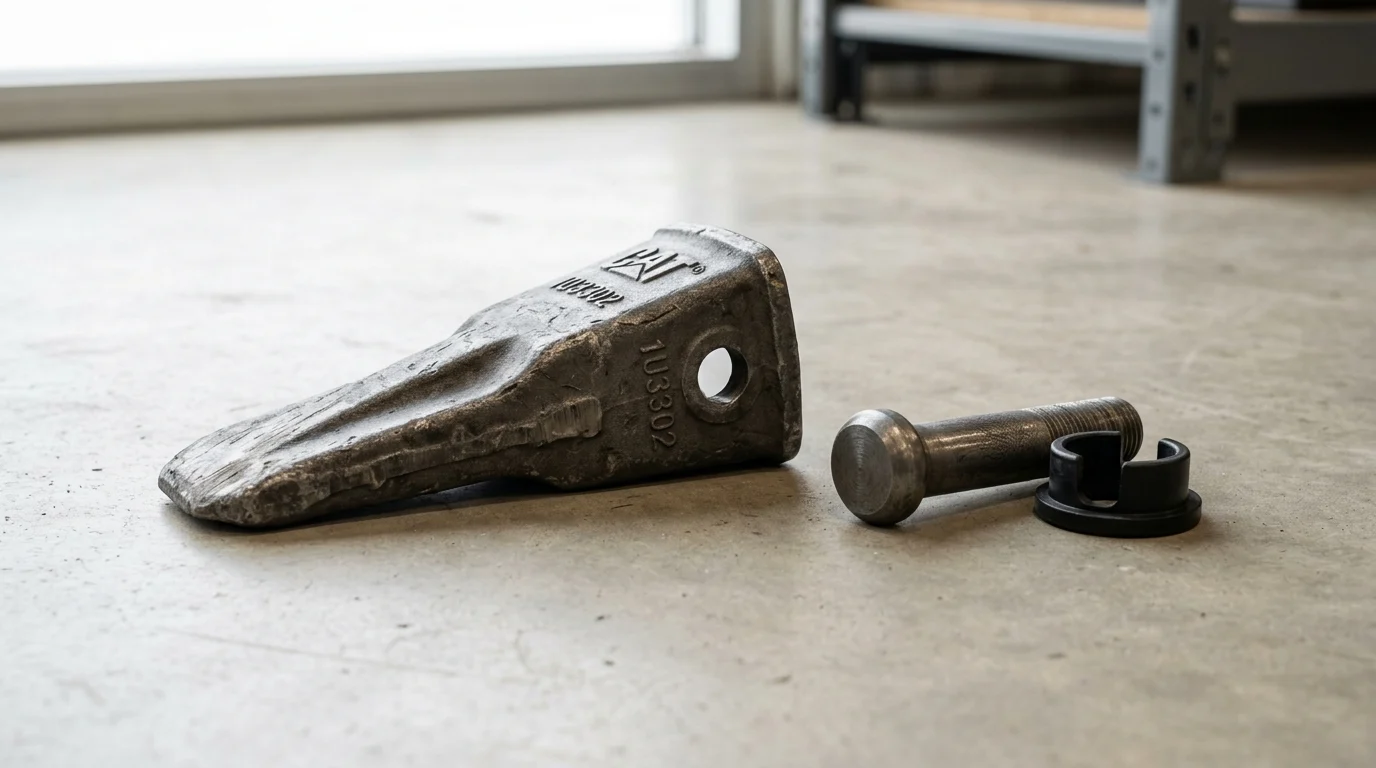
If you have ever run an excavator or loader in high-silica rock, you know the frustration. I have watched a brand-new set of Caterpillar bucket teethh](https://www.nbjm-china.com/products/) lose up to 35% of their mass in less than 150 hours of continuous digging. It is not just the cost of replacing the hardware that hurts the bottom line; it is the unexpected downtime.
When we talk about abrasive terrains, we are not just dealing with hard dirt. We are fighting a constant, aggressive grinding wheel made of crushed granite, basalt, or high-silica sand that actively eats away at our steel. Understanding exactly what causes this rapid degradation is the first step in stopping it.
How Material, Moisture, and Digging Angle Affect Wear
The speed at which your Ground Engaging Tools (GET) degrade comes down to three core factors: material composition, moisture, and how you attack the pile. Silica is the primary enemy here; soils with over 20% silica content will act exactly like heavy-grit sandpaper against your bucket.
Add water to the mix, and you create a severe problem. Moisture acts as a binding agent for abrasive particles, creating a lapping paste that sticks to the metal and accelerates wear exponentially. I have also noticed that operators who aggressively crowd the bucket at steep angles—often pushing past a 45-degree attack angle—put massive localized stress on the tips, wearing them out unevenly or snapping them prematurely.
Early Wear Signs to Watch For
You never want to wait until a tooth snaps off and accidentally goes through your rock crusher. I always train my crews to look for the early red flags during their daily walkarounds. The first obvious sign is “mushrooming” or blunting of the tip, which drastically reduces your breakout force and burns more fuel.
If you are running specialized Penetration tips, keep a close eye out for hairline fractures along the pin hole where the metal is thinnest. Another critical metric I use: check the gap between the tooth and the adapter. If you can slip a 2mm feeler gauge into that gap, the internal fit is compromised. At that tolerance, the tooth is rattling under load and you are at high risk of a catastrophic break.
How to Choose Caterpillar Bucket Teeth That Last Longer
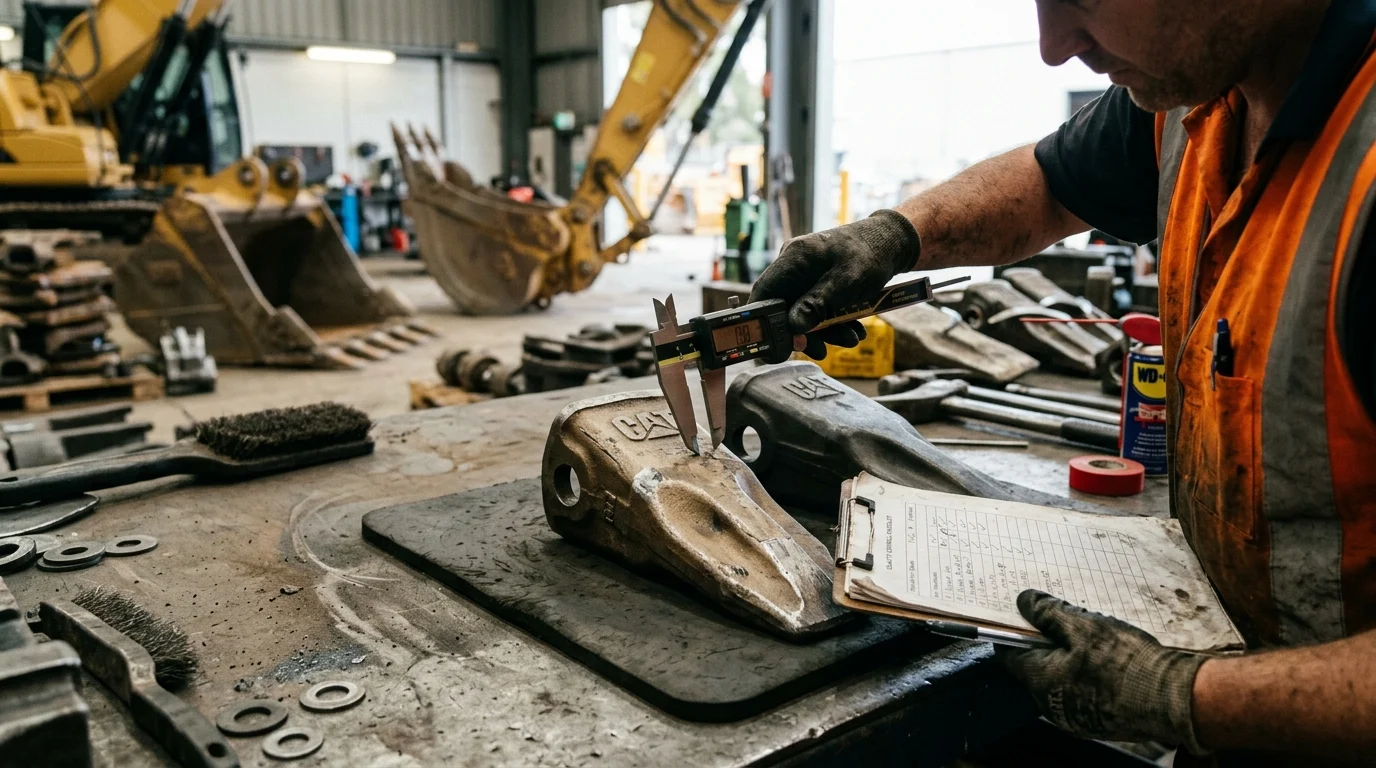
Selecting the right replacement is not as simple as matching a part number in a catalog. I have learned the hard way that throwing a standard dirt tooth into a blasted rock application is a quick way to burn through your entire maintenance budget.
You need to match the metallurgy and the physical shape to the specific terrain you are tackling. A little upfront analysis goes a long way in keeping your machine in the dirt and out of the shop.
Compare Tooth Profiles, Adapters, and Metallurgy
Let us break down the hardware. You constantly have to balance ground penetration with wear mass. Standard profiles give you average life, but Rock chisel teeth offer the perfect mix of sharp entry and heavy-duty wear material for highly abrasive rock. The adapter is equally important; if your adapter nose is worn down by more than 10%, even a brand-new tooth will shift under load, leading to premature pin shearing.
Under the hood, metallurgy is everything. You want Heat treated bucket teeth that hit a Brinell Hardness Number (BHN) of at least 450 to 500 for severe applications. Here is a quick breakdown of how different profiles stack up in abrasive conditions:
| Tooth Profile | Penetration Level | Relative Lifespan (Abrasive Soil) | Best Application |
|---|---|---|---|
| Standard | Medium | 100% (Baseline) | General dirt, loose gravel |
| Penetration | High | 85% | Dense clay, tightly packed soil |
| Rock Chisel | Medium-High | 130% | Blasted rock, high-silica terrain |
| Heavy Duty (HD) | Low | 160% | Extreme abrasion, low impact |
When Premium Wear Material Is Worth the Cost
When does it make sense to open the wallet for premium alloys? In my experience, if your standard teeth are wearing out in under 200 operating hours, upgrading to premium tungsten-carbide infused or high-spec alloy steel is an absolute no-brainer.
Yes, these Long-life bucket tips might cost 30% to 45% more upfront compared to standard castings. However, they frequently deliver 2.5 to 3 times the lifespan in high-abrasion zones. That math works out in your favor every single time when you factor in the mechanic labor saved from fewer change-outs and the fuel saved by maintaining a sharper edge longer.
How to Maintain Caterpillar Bucket Teeth for Longer Life
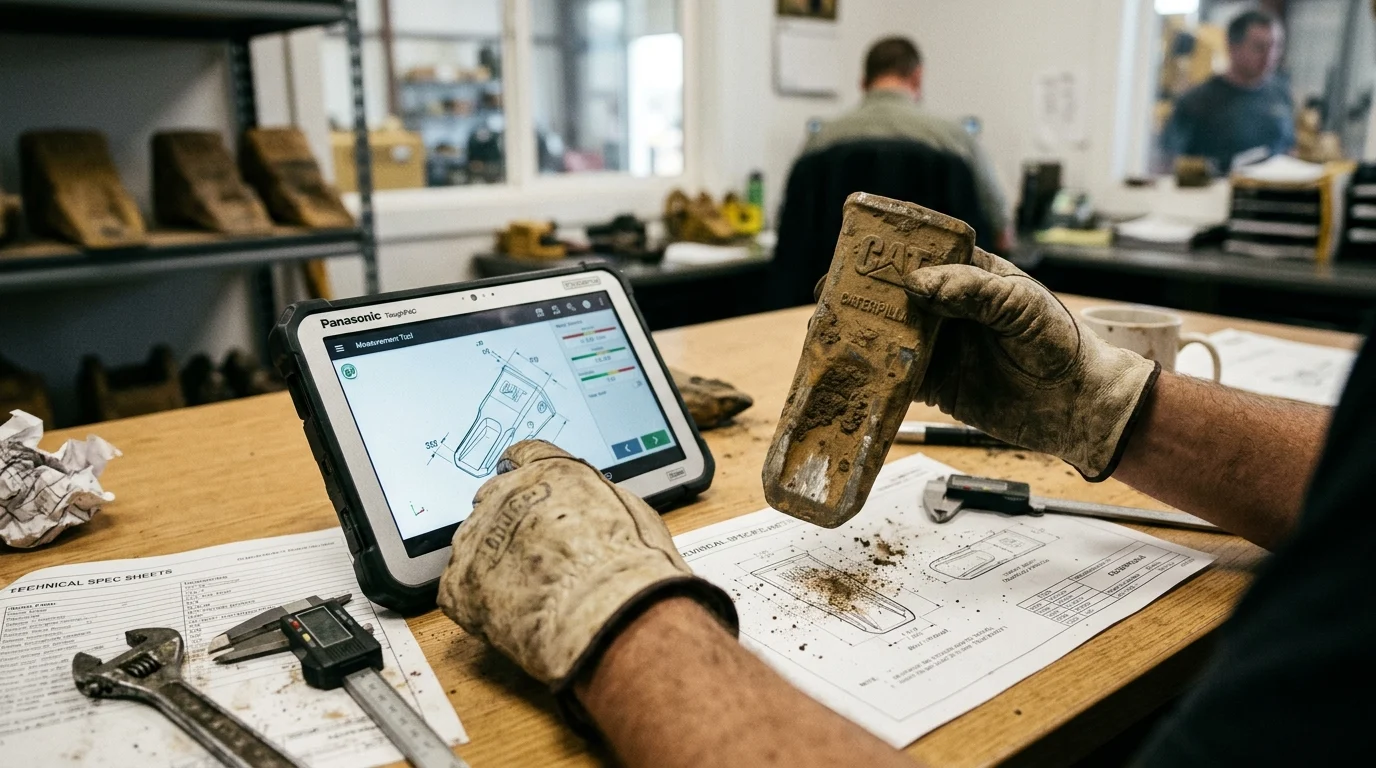
Even if you buy the most expensive, heavy-duty teeth on the market, poor maintenance will ruin your investment. I treat bucket teeth exactly like the tires on a rigid haul truck.
They need regular inspections, proper rotation, and timely replacements to extract the maximum hourly value out of them. A proactive approach here saves thousands of dollars annually per machine.
Inspection, Rotation, and Replacement Steps
My daily walkaround always includes a quick tap test on the teeth with a small hammer. A sharp ring means it is seated well, but a dull thud usually means the pin or retainer is failing. Corner teeth typically wear about 25% to 30% faster than the center teeth because they take the brunt of the breakout force against the trench walls.
To counter this uneven wear, I highly recommend rotating the corner teeth to the center positions halfway through their expected lifespan. When it is finally time for a change out, never reuse old pins and retainers. A new pin costs a few dollars, but losing a tooth in the dirt can cost you hours of downtime. Always ensure the mating surfaces are wire-brushed completely clean; even 1mm of packed dirt inside the pocket will cause the new tooth to seat improperly.
OEM vs Aftermarket vs Rebuilt Options
The debate
Key Takeaways
- The most important conclusions and rationale for Caterpillar Bucket Teeth
- Specs, compliance, and risk checks worth validating before you commit
- Practical next steps and caveats readers can apply immediately
Frequently Asked Questions
How often should I inspect Caterpillar bucket teeth in abrasive terrain?
Inspect them during every daily walkaround. Check for blunted tips, mushrooming, hairline cracks near pin holes, loose pins, and gaps between the tooth and adapter.
Which Caterpillar bucket tooth profile lasts longest in high-silica soil?
Heavy Duty teeth usually last longest in extreme abrasion, while Rock Chisel teeth offer a better balance of penetration and wear life in blasted rock or silica-rich terrain.
When should I replace worn bucket adapters?
Replace adapters when the nose is worn more than about 10% or when a 2mm gap appears between the tooth and adapter, as looseness can shear pins and break teeth.
Are heat-treated bucket teeth worth it for rock work?
Yes. For severe abrasive applications, choose heat-treated bucket teeth around 450–500 BHN to improve wear resistance and reduce downtime.
How can operators reduce premature bucket tooth wear?
Avoid steep attack angles above 45 degrees, reduce unnecessary dragging, match the tooth profile to the material, and keep pins, locks, and adapters tight.
Post time: Apr-22-2026