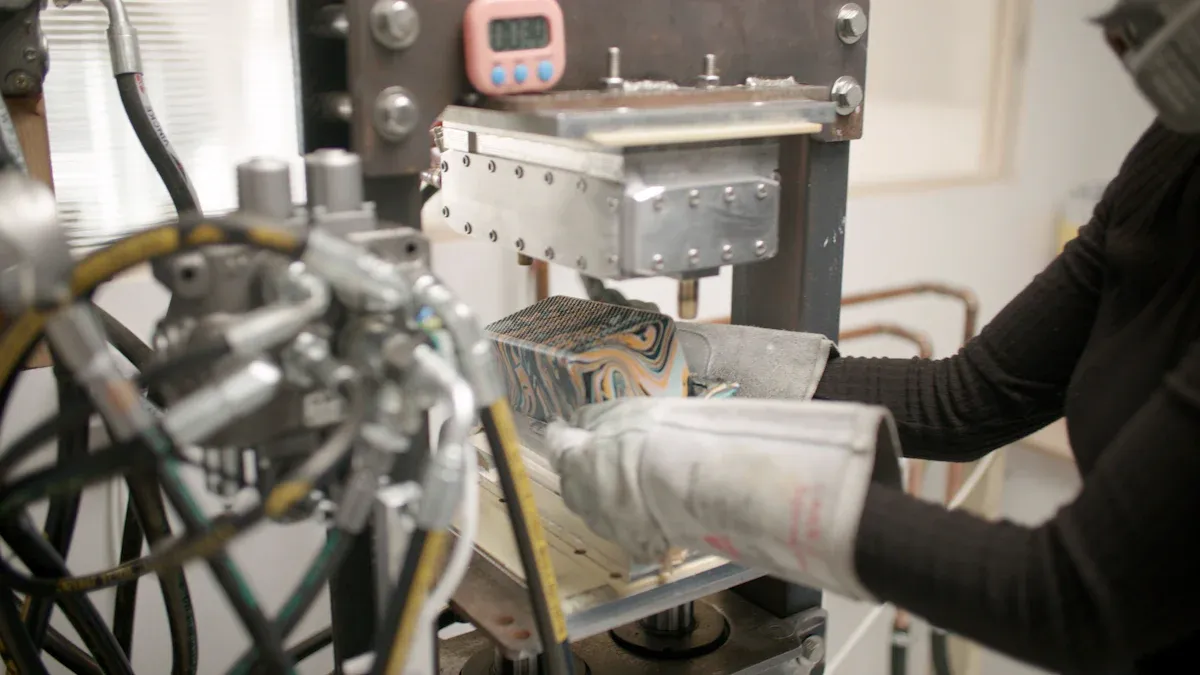
Sustainability plays a crucial role in the manufacturing of Caterpillar bucket teeth. As we become more aware of our environmental footprint, the production process has a significant impact. Many manufacturers now embrace eco-friendly GET practices, focusing on recyclable steel and green production methods. This shift not only meets rising consumer demand for Caterpillar bucket teeth but also fosters a healthier planet through sustainable manufacturing.
Key Takeaways
- Embrace eco-friendly materials like recycled steel and biodegradable coatings to reduce waste and conserve resources.
- Adopt advanced manufacturing processes such as 3D printing and energy-efficient machinery to minimize environmental impact and improve efficiency.
- Stay ahead of market trends by prioritizing sustainability, as consumers increasingly prefer eco-friendly products that align with their values.
Technological Innovations in Caterpillar Bucket Teeth
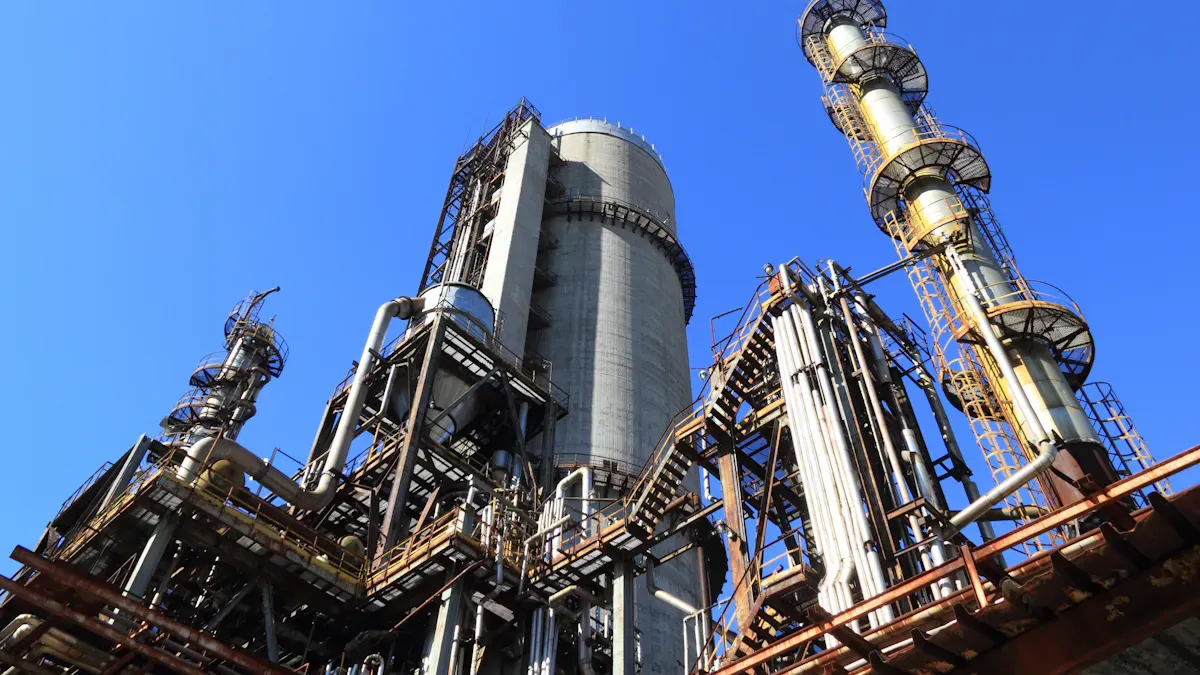
Eco-Friendly Materials
When I think about eco-friendly materials in the production of Caterpillar bucket teeth, I get excited about the possibilities. Manufacturers are now using recycled steel, which significantly reduces the need for new raw materials. This not only conserves natural resources but also cuts down on energy consumption during production.
Here are some eco-friendly materials that are making waves in the industry:
- Recycled Steel: Using steel from old machinery and structures helps minimize waste. It’s a win-win situation where we reduce landfill contributions and lower the carbon footprint.
- Biodegradable Coatings: Some companies are experimenting with coatings that break down naturally over time. This innovation helps reduce pollution when the bucket teeth reach the end of their life cycle.
- Sustainable Alloys: New alloys that incorporate less harmful elements are being developed. These materials maintain strength while being less damaging to the environment.
Advanced Manufacturing Processes
The manufacturing processes for Caterpillar bucket teeth have also seen significant advancements. I find it fascinating how technology can lead to more sustainable practices. Here are a few key innovations:
- 3D Printing: This technology allows for precise production with minimal waste. By creating parts layer by layer, manufacturers can use only the material needed, reducing excess.
- Energy-Efficient Machinery: Many manufacturers are investing in machines that consume less energy. These machines not only lower operational costs but also reduce greenhouse gas emissions.
- Lean Manufacturing Techniques: By streamlining processes, companies can eliminate waste and improve efficiency. This approach not only saves resources but also enhances productivity.
These innovations are paving the way for a more sustainable future in the production of Caterpillar bucket teeth. As we embrace these technologies, we can look forward to a greener manufacturing landscape.
Market Trends in Sustainable Manufacturing

Consumer Demand for Eco-Friendly Products
I’ve noticed a significant shift in consumer preferences towards eco-friendly products, and it’s exciting to see how this trend impacts the manufacturing of Caterpillar bucket teeth. More and more customers are prioritizing sustainability when making purchasing decisions. They want products that not only perform well but also align with their values regarding environmental responsibility.
Here are some key points that highlight this growing demand:
- Increased Awareness: Consumers are becoming more educated about the environmental impact of their purchases. They actively seek out brands that demonstrate a commitment to sustainability.
- Preference for Recyclable Materials: Many buyers now prefer products made from recyclable materials. This trend encourages manufacturers to adopt eco-friendly practices in their production processes.
- Social Responsibility: Customers are more inclined to support companies that contribute positively to society. They appreciate brands that take steps to reduce their carbon footprint and promote sustainable practices.
This shift in consumer behavior is not just a passing trend; it’s reshaping the market landscape for Caterpillar bucket teeth and other industrial products.
Competitive Advantage of Sustainable Practices
Embracing sustainable manufacturing practices offers a competitive edge for companies in the Caterpillar bucket teeth industry. I’ve seen firsthand how these practices can lead to numerous benefits. Here’s a closer look at some of the advantages:
| Benefit | Description |
|---|---|
| Enhanced Product Quality | Sustainable practices lead to improved durability and performance of bucket teeth. |
| Reduced Environmental Impact | Implementing eco-friendly processes minimizes waste and resource consumption. |
| Improved Operational Efficiency | Streamlined processes result in cost savings and faster production times. |
By adopting these practices, manufacturers not only meet consumer demand but also position themselves as leaders in the industry. Companies have gained market share by integrating sustainability into their operations. This trend shows that being eco-friendly is not just good for the planet; it’s also good for business.
As I reflect on these market trends, it’s clear that sustainability is becoming a vital component of manufacturing strategies. Companies that recognize this shift and adapt accordingly will thrive in the evolving landscape of Caterpillar bucket teeth production.
Policies Supporting Green Manufacturing
When I think about the policies that support green manufacturing, I realize how crucial they are for the Caterpillar bucket teeth industry. These frameworks not only guide manufacturers but also encourage them to adopt sustainable practices. Let’s dive into some of the key regulatory frameworks currently in place.
Regulatory Frameworks for Caterpillar Bucket Teeth
Governments worldwide are stepping up to promote eco-friendly manufacturing. I find it inspiring to see how these policies shape the industry. Here’s a snapshot of some significant initiatives:
| Policy/Initiative | Description |
|---|---|
| Government R&D Funding | In 2025, relevant R&D funding reached 1.5 billion dollars, supporting innovative green technologies. |
| Recognition of Green Factories | 32 enterprises have been recognized as green factories, showcasing their commitment to sustainability. |
| Carbon Emission Reduction | Significant reductions in carbon emission intensity have been achieved, benefiting the environment. |
| Lightweight Product Development | Products have achieved a 17% weight reduction per unit, enhancing efficiency and sustainability. |
| Patent Applications Increase | The number of patent applications increased by 28% year-on-year, indicating a surge in green innovations. |
These frameworks create a solid foundation for manufacturers to innovate and improve their processes. I’ve seen firsthand how companies are responding to these regulations by investing in sustainable technologies and practices.
Incentives for Sustainable Practices
Incentives play a vital role in encouraging manufacturers to adopt eco-friendly practices. I’ve noticed that many companies are taking advantage of these opportunities to enhance their sustainability efforts. Here’s a look at some of the incentives available:
| Incentive Type | Description |
|---|---|
| Regulatory Incentives | Policies promoting sustainable practices and environmental compliance incentivize the use of eco-friendly bucket teeth. |
These incentives have led to a noticeable shift in the industry. For instance, the manufacturing sector, particularly for excavator bucket teeth, is increasingly focusing on sustainability. Companies like Caterpillar are developing eco-friendly bucket teeth using recycled or low-impact materials. This shift is driven by rising environmental regulations and the preferences of environmentally conscious consumers.
As I reflect on these policies and incentives, it’s clear that they are essential for fostering a culture of sustainability in the Caterpillar bucket teeth industry. By supporting green manufacturing, we can create a more sustainable future for all.
Future Outlook on Sustainability in Manufacturing
Emerging Technologies in Caterpillar Bucket Teeth Production
As I look ahead, I’m excited about the emerging technologies that will shape the future of Caterpillar bucket teeth production. These innovations promise to enhance sustainability while improving performance. For instance, new materials like bainitic steel and nano-ceramic composites can extend the service life of bucket teeth by 40% to 60%. This not only reduces waste but also cuts costs by over 15%.
Moreover, intelligent upgrades are making waves. Products equipped with detection chips allow for real-time monitoring, which can reduce maintenance costs by 15%. This means less downtime and more efficient operations. I find it inspiring that 32 enterprises have already been recognized as green factories, achieving a remarkable 17% weight reduction in their products while significantly lowering carbon emissions.
Long-Term Industry Goals for Sustainability
Looking further into the future, the long-term goals for sustainability in the Caterpillar bucket teeth industry are ambitious yet achievable. I believe that manufacturers will increasingly focus on creating products that are not only durable but also environmentally friendly. The industry aims to achieve a circular economy, where materials are reused and recycled, minimizing waste.
Additionally, I see a strong push towards carbon neutrality. Companies are setting targets to reduce their carbon footprints significantly. This commitment to sustainability will not only benefit the environment but also enhance brand loyalty among consumers who prioritize eco-friendly practices.
Adopting sustainable practices in Caterpillar bucket teeth manufacturing is crucial. These practices not only protect our planet but also enhance product quality. I encourage all industry stakeholders to embrace eco-friendly approaches. Together, we can leverage these advantages and create a more sustainable future for everyone.
FAQ
What are the benefits of using recycled materials in production?
Using recycled materials reduces waste and conserves natural resources. It also lowers energy consumption during manufacturing, making the process more eco-friendly.
How can consumers support sustainable manufacturing?
Consumers can choose products made from eco-friendly materials and support brands committed to sustainability. Every purchase can make a difference!
What role do regulations play in promoting sustainability?
Regulations encourage manufacturers to adopt green practices. They provide guidelines and incentives, helping companies innovate and reduce their environmental impact.
Post time: Apr-10-2026