Introduction
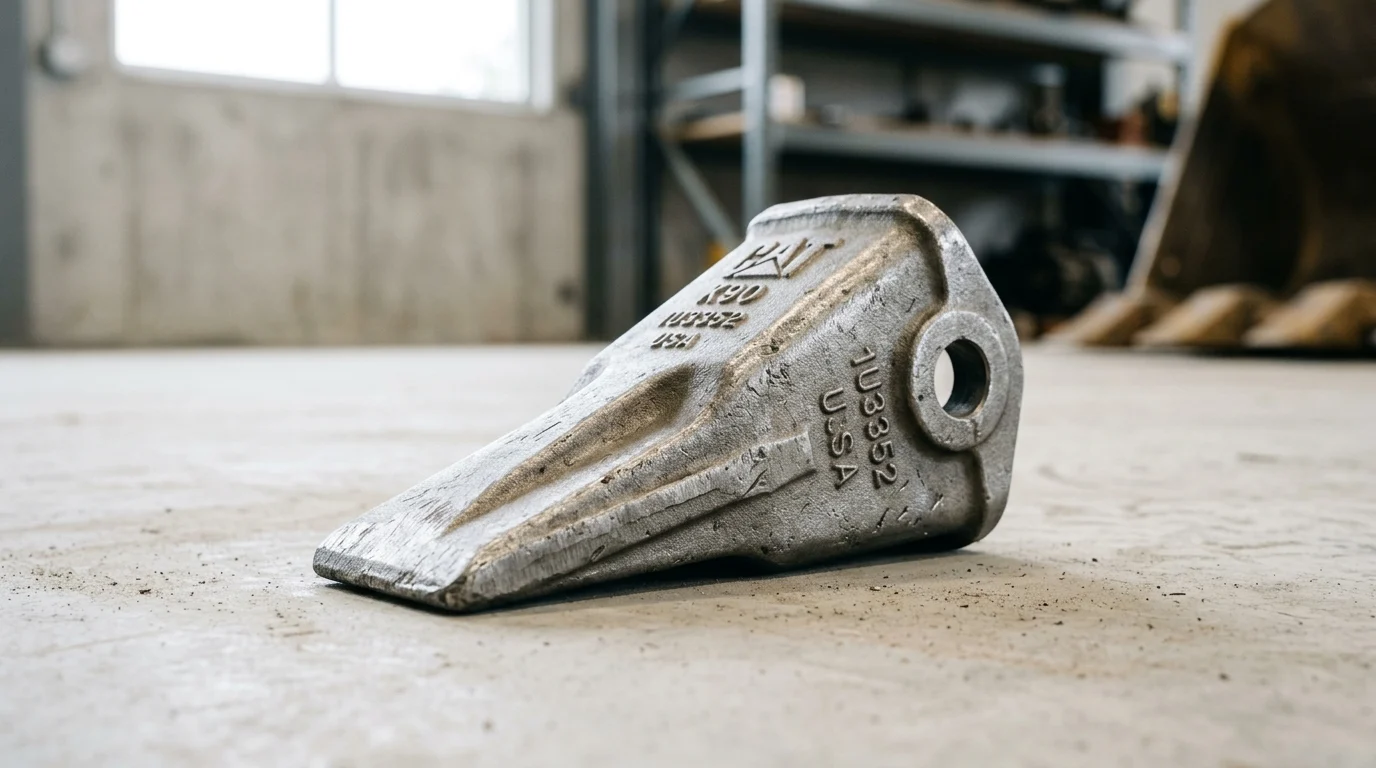
For contractors and mine operators, bucket teeth are a small component with outsized impact on uptime, fuel use, and wear-part costs. New alloy steel Caterpillar bucket teeth are drawing attention because they promise longer service life than standard carbon steel options, especially in abrasive rock, clay, and mixed ground conditions. This article explains what is changing in the material and design, why those changes matter in daily excavation work, and which performance factors to compare before upgrading. It also sets up a practical look at lifespan gains, maintenance savings, and fit-for-application considerations in the sections that follow.
Why New Alloy Steel Caterpillar Bucket Teeth Are Gaining Attention
If you have spent any time managing heavy-duty earthmoving equipment, you know that ground engaging tools (G.E.T.) can make or break your operational budget. Lately, there has been a massive shift in the industry away from traditional carbon steels. Instead, equipment managers are demanding advanced Alloy Steel formulations for their diggers. Why the sudden urgency? It all comes down to minimizing machine downtime, which can easily cost upwards of $500 per hour in lost productivity on a busy construction or mining site.
Upgrading to newer metallurgical blends is not just a trendy buzzword; it is a calculated strategy to keep machines running longer in highly abrasive environments like granite quarries and dense clay pits.
Key performance benefits to evaluate
When evaluating the performance benefits of these upgraded Caterpillar Bucket Teeth, the numbers speak for themselves. Operators typically see a 25% to 40% increase in overall lifespan compared to standard carbon steel alternatives. This translates directly to fewer change-outs and significantly reduced maintenance labor costs over a machine’s lifecycle.
Beyond lasting longer, these new designs maintain their sharpness better as they wear. A self-sharpening tooth profile improves bucket penetration, which directly impacts fuel efficiency. Fuel consumption can drop by roughly 5% to 8% simply because the machine does not have to fight as hard to break ground.
Core terms and definitions that matter
To truly understand these components, it is important to get the terminology straight. When discussing these parts, you will frequently hear about the Brinell Hardness Number (BHN). For high-performance bucket teeth, the ideal range is generally between 470 and 530 BHN to ensure maximum wear resistance.
Another critical term is Impact Toughness, usually measured in Joules (J) or Joules per square centimeter. It dictates how well the tooth can absorb shock from hitting a solid boulder without snapping. Balancing high BHN for wear and adequate Joules for impact is the ultimate goal of metallurgy in this space.
Technical Factors That Extend Caterpillar Bucket Teeth Service Life
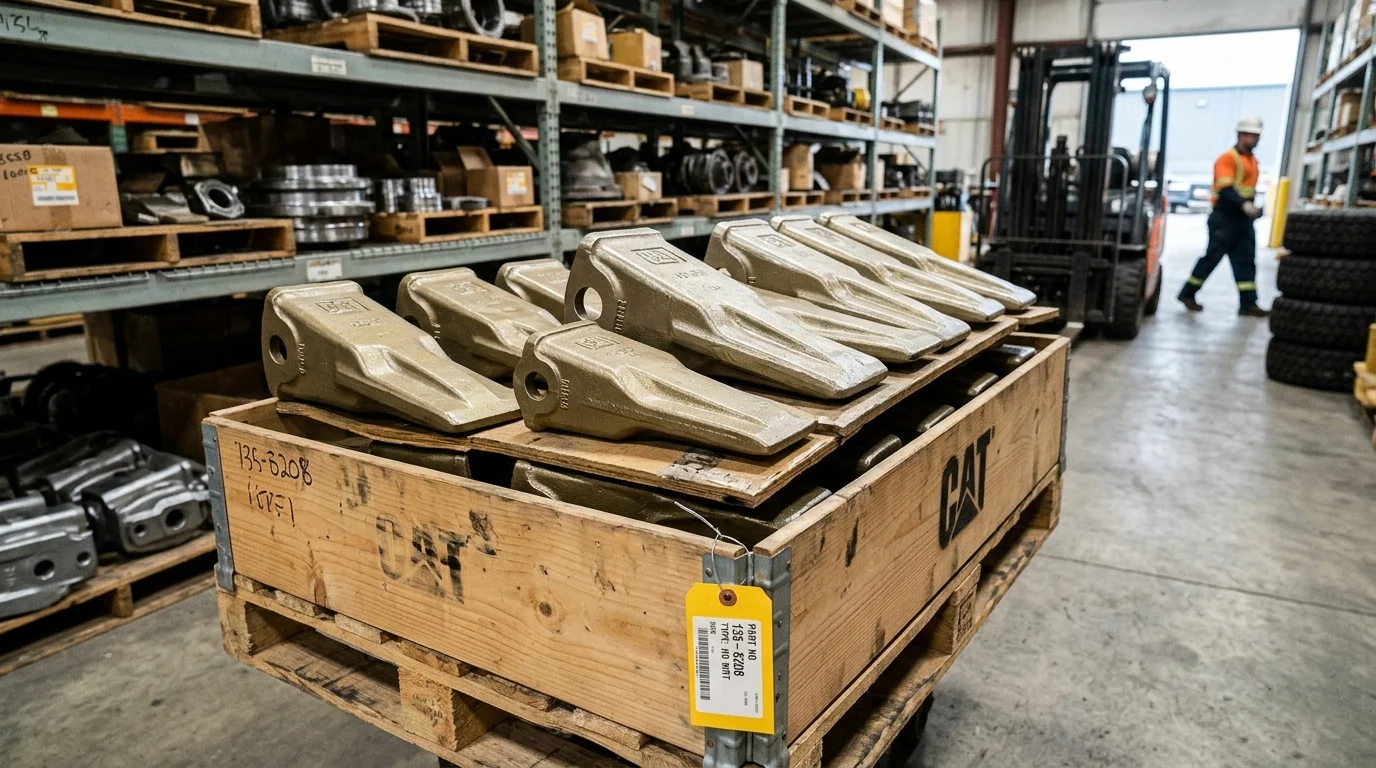
You cannot simply place a “heavy-duty” label on a casting and expect it to survive a grueling work environment. Extending the Service Life of these components requires a deep dive into the technical manufacturing processes.
The real work happens in the foundry. The specific recipe of trace elements and the precision of the cooling process dictate whether a tooth will chew through bedrock or shatter on the very first day of the job.
How alloy selection, casting quality, hardness, and toughness affect wear
The foundation of a great bucket tooth is alloy selection. By introducing precise amounts of chromium, molybdenum, and nickel, foundries can drastically alter the steel’s grain structure. However, chemistry is only half the battle. Casting quality is paramount; if the casting porosity exceeds 2%, it introduces microscopic weak points that will eventually lead to catastrophic failure under a heavy load.
Then comes the heat treatment—usually a rigorous quenching and tempering process. This is how manufacturers achieve that ideal hardness of 480-520 BHN while maintaining an impact toughness of ≥20 J. If the tempering is rushed, the Excavator tooth becomes far too brittle. If the quench is too slow, it remains too soft and wears away prematurely.
Standard vs new alloy steel comparison
To provide a clearer picture of why the industry is migrating, here is a side-by-side comparison of standard carbon steel versus the newer alloy blends.
| Feature | Standard Carbon Steel | Advanced Alloy Steel |
|---|---|---|
| Typical Hardness (BHN) | 350 – 420 | 480 – 530 |
| Impact Toughness | ~15 J | ≥ 20 J |
| Expected Lifespan (hours) | 200 – 300 | 350 – 450+ |
| Initial Cost Premium | Baseline | +15% to 25% |
While buyers might pay a 15% to 25% premium upfront for the alloy steel, the math heavily favors the upgrade. The extended operating hours easily offset the initial purchase price, driving down the overall cost per hour of operation.
How to Evaluate Suppliers and Specify Caterpillar Bucket Teeth
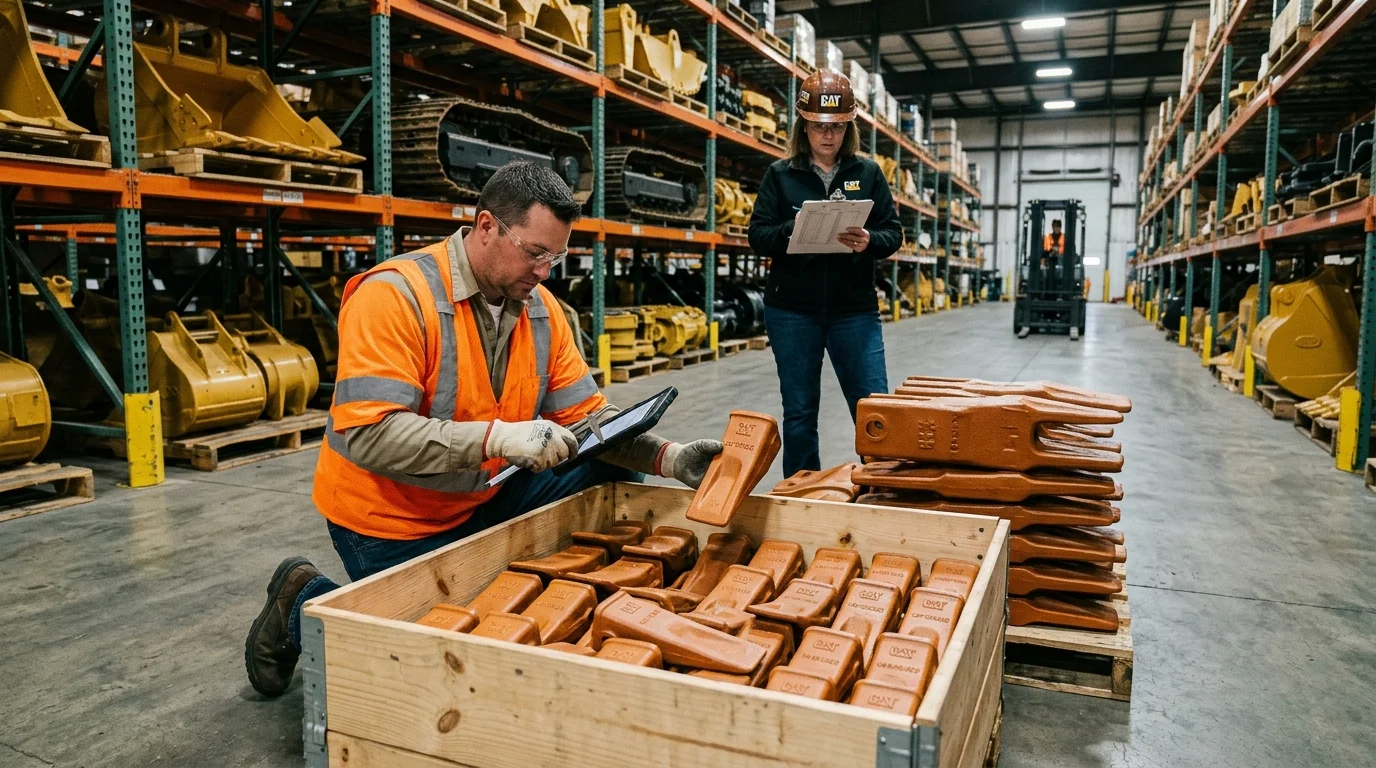
Knowing the technical specs is important, but sourcing reliable Wear Parts is a different challenge entirely. Evaluating suppliers is just as critical as evaluating the steel itself.
Buyers need a partner who can consistently deliver quality at scale, not just a middleman moving boxes. Whether ordering a single pallet or negotiating a 5-ton Minimum Order Quantity (MOQ), the vetting process should remain the same.
Practical specification and inspection steps
When specifying parts, always demand comprehensive documentation. Buyers should ask for material certificates and heat treatment logs for every single batch. It is also recommended to implement a strict inward inspection protocol. Check the fitment tolerances on the adapters; a gap of more than 1.5mm between the tooth and the adapter nose will cause rattling, which shears the retaining pin and leads to early failure.
Do not hesitate to ask about defect rates. A top-tier foundry should operate with a defect rate of less than 0.5%. If a supplier dodges these technical questions or cannot provide basic metallurgical reports, consider it a massive red flag and look elsewhere.
How manufacturing experience and market fit affect supplier choice
Finally, look at the supplier’s pedigree and market fit. Established manufacturers with long-term industry experience are generally the most reliable. For example, suppliers operating out of major casting hubs like Ningbo, China, often have over 16 years of dedicated experience supplying the European G.E.T. spare parts market.
Firms that operate as joint ventures—combining specialized casting, machining, and quality control under one roof—tend to offer the highest reliability.
Key Takeaways
- The most important conclusions and rationale for Caterpillar Bucket Teeth
- Specs, compliance, and risk checks worth validating before you commit
- Practical next steps and caveats readers can apply immediately
Frequently Asked Questions
What makes alloy steel Caterpillar bucket teeth better than standard carbon steel ones?
They typically offer higher hardness, better impact toughness, and 25% to 40% longer service life, helping reduce downtime and replacement frequency.
What hardness range should high-performance bucket teeth have?
A practical target is about 470 to 530 BHN, with many premium teeth landing around 480 to 520 BHN for wear resistance and durability.
Why does impact toughness matter in excavator bucket teeth?
It helps the tooth absorb shock from rocks or hard ground without cracking or breaking, especially in quarry and mining applications.
How can better bucket teeth improve fuel efficiency?
Self-sharpening tooth profiles keep penetration easier, so the excavator uses less power and fuel—often about 5% to 8% less.
What should buyers check when sourcing Caterpillar bucket teeth from a supplier?
Ask for alloy composition, hardness and toughness test data, casting quality, and heat-treatment consistency to confirm real wear performance.
Post time: May-07-2026