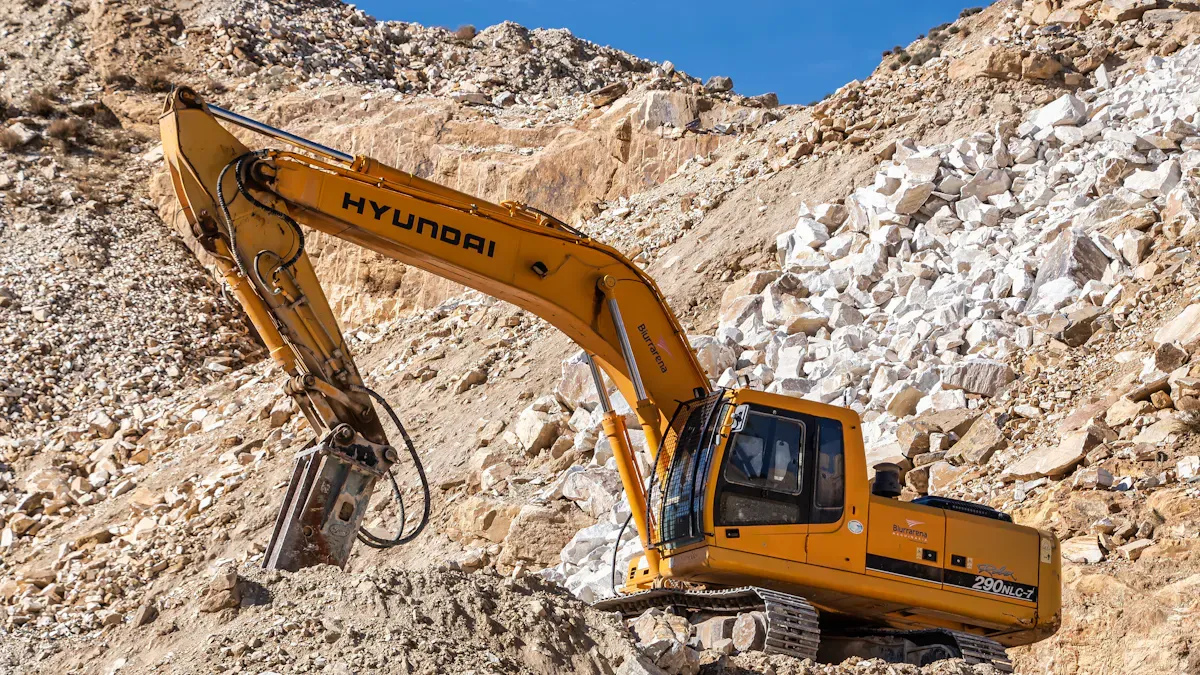
 Selecting the right Caterpillar bucket teeth is crucial for achieving operational efficiency in heavy-duty mining. When I think about the consequences of improper selection, it’s clear that it can lead to increased maintenance costs due to premature wear of mining bucket teeth and significant downtime from inefficiencies. This not only reduces productivity but also impacts the overall success of mining operations. Several key factors influence the selection process, such as the specific job conditions, the type of material being excavated, and the machinery being used, including the excavator tooth system. By understanding these elements, I can make better choices that enhance performance and reduce expenses, particularly when it comes to wear parts and heavy duty tips.
Key Takeaways
- Selecting the right Caterpillar bucket teeth is vital for reducing maintenance costs and improving mining efficiency.
- Understanding the specific job conditions and material types helps in choosing the most effective bucket teeth for optimal performance.
- Quality bucket teeth made from durable materials can extend lifespan and reduce downtime, saving money in the long run.
- Regular inspections and timely replacements of worn teeth are crucial for maintaining operational efficiency and safety.
- Sourcing from reliable suppliers ensures compatibility and quality, which are essential for successful mining operations.
Understanding the Caterpillar Bucket Teeth System
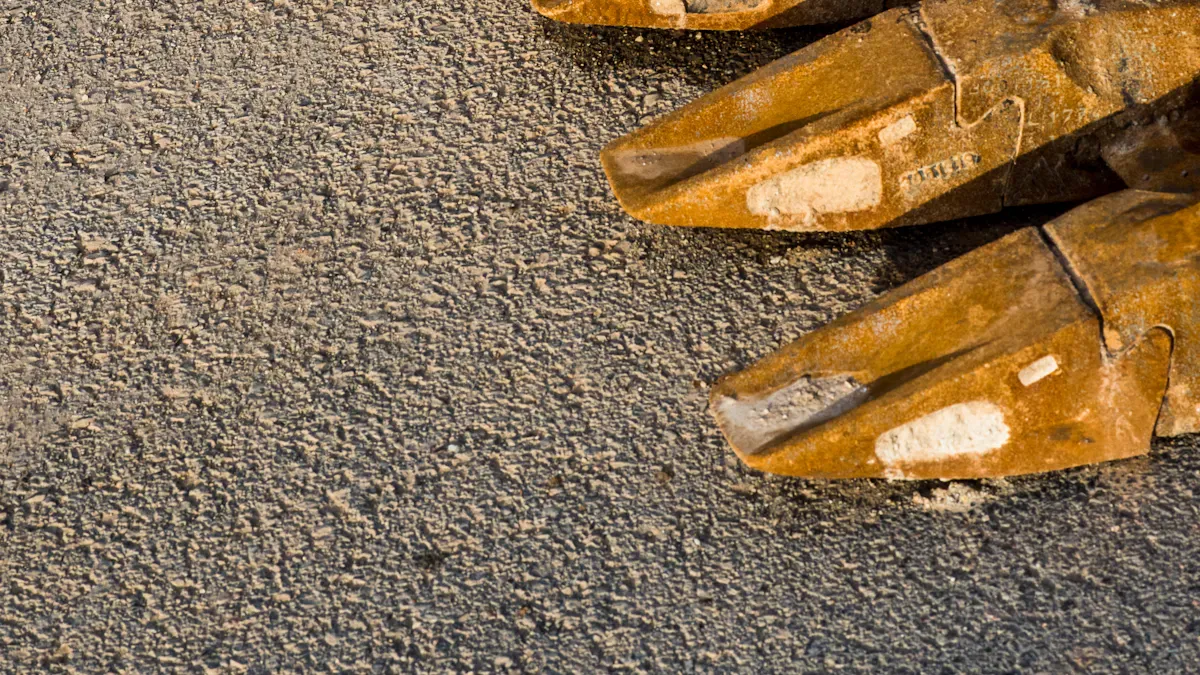 When it comes to heavy-duty mining operations, understanding the Caterpillar bucket teeth system is essential. The right bucket teeth can make a significant difference in performance and efficiency. Let’s dive into the different types of bucket teeth, their components, and why quality matters.
Types of Caterpillar Bucket Teeth
I’ve come across several types of Caterpillar bucket teeth, each designed for specific applications. Here’s a quick overview of the most common types:
- Chisel Teeth: These are effective for breaking through harder rocks and ores. They work well in rocky or dense soil conditions.
- Rock Chisel Teeth: Specialized for high-hardness environments, these teeth excel in tough digging scenarios.
- Single Tiger Teeth: With a sharp, concentrated point, these teeth focus digging force into a small area, making them ideal for compacted soil.
- Twin Tiger Teeth: These feature two penetration points, distributing force and providing a self-sharpening effect, which can enhance durability.
Each type has its unique geometry, which influences wear resistance and digging performance. For instance, the Cat K Series teeth are designed for maximum ground penetration and material retention, enhancing overall digging efficiency.
Components of a Bucket Tooth System
A bucket tooth system consists of several key components that work together to ensure optimal performance. Here’s what you need to know:
- Bucket Tooth: The primary component that does the actual digging.
- Adapter: This connects the tooth to the bucket and allows for easy replacement.
- Retaining Pin: This secures the tooth to the adapter, preventing it from coming loose during operation.
Understanding these components helps me appreciate how they contribute to the overall effectiveness of the bucket teeth system. A well-designed system ensures that the teeth fit securely and perform efficiently, reducing the risk of wear and tear.
Importance of Quality and Durability
Quality and durability are paramount when selecting Caterpillar bucket teeth. High-quality teeth can significantly extend the lifespan of the equipment. For example, I’ve seen high-quality Caterpillar bucket teeth show an average of over 40% increased wear life compared to standard alternatives. This means fewer replacements and less downtime, which ultimately saves money. Using premium materials like reinforced alloys or tungsten carbide enhances durability and wear resistance. These materials minimize deterioration under pressure, making them suitable for the harsh conditions of mining operations. Regular inspections and timely replacements of worn teeth are necessary to maintain operational efficiency. Implementing a rotation schedule for teeth can evenly distribute wear, prolonging their lifespan and further decreasing downtime.
Matching Caterpillar Bucket Teeth to Job Conditions
When it comes to selecting the right Caterpillar bucket teeth, understanding the job conditions is vital. Each mining operation presents unique challenges, and matching the teeth to these conditions can significantly impact performance and efficiency. Let’s explore how I assess material hardness, evaluate ground conditions, and understand job-specific requirements.
Assessing Material Hardness
Assessing the hardness of materials I encounter on-site is one of the first steps in selecting the right bucket teeth. Different materials require different approaches. Here’s a quick look at some methods I use to assess hardness:
| Assessment Method | Purpose |
|---|---|
| Hardness Testing | Ensures the tooth surface meets design standards to prevent rapid wear. |
| Wear Testing | Evaluates durability in high-friction environments. |
| Impact Strength Testing | Ensures teeth do not fracture under high-impact conditions. |
Understanding these methods helps me choose the right teeth. For instance, I’ve noticed that increasing the tungsten carbide (WC) content in coatings enhances hardness and wear resistance. This means that the wear rate of the hard-facing layer is significantly lower than that of the tooth substrate, which is crucial for maintaining efficiency in tough conditions.
Evaluating Ground Conditions
Ground conditions can vary widely, and they play a significant role in my selection process. Here are some common conditions I encounter and the recommended bucket teeth for each:
| Ground Condition | Recommended Bucket Teeth | Description |
|---|---|---|
| Harder Rocks and Ores | Chisel Teeth | Effective for breaking and digging through tough materials. |
| Demolition Work | Chisel Teeth | Suitable for handling debris and concrete, enhancing efficiency. |
| Road Construction | Chisel Teeth | Works well on hardened ground or alternating soft and hard materials. |
| General Earthmoving Tasks | Chisel Teeth | Applicable in most soil conditions, including excavation and road repair. |
I’ve found that in highly abrasive soil, the lifespan of bucket teeth can be significantly reduced. For example, using excavator abrasion teeth designed for extreme conditions can help mitigate wear. These teeth feature extra wear material to handle abrasive materials like sand and limestone, which is crucial for optimizing performance.
Understanding Job-Specific Requirements
Every mining project has its own set of requirements that I must consider when selecting Caterpillar bucket teeth. Here are some key factors I keep in mind:
- Budget Parameters: I weigh the initial costs of teeth against their expected lifespan and replacement frequency.
- Material Characteristics: I identify the types of materials in the mining environment, such as soft soil or hard rock, to choose appropriate teeth.
- Welding Requirements: I decide between bolt-on teeth for easy replacement or welded teeth for enhanced security and reduced maintenance.
By considering these factors, I can ensure that my selection aligns with production targets and operational constraints. For instance, I’ve noticed that the demand for effective ground engagement tools is increasing, especially in sectors like coal, iron ore, and copper. This trend emphasizes the need for cost-effective solutions that enhance cutting performance and durability.
Practical Selection Steps for Caterpillar Bucket Teeth
 Selecting the right Caterpillar bucket teeth involves several practical steps that can make a big difference in performance and longevity. I’ve learned that paying attention to compatibility, sourcing from reliable suppliers, and avoiding common mistakes can save time and money in the long run.
Compatibility with Machinery
First and foremost, I always check the compatibility of the bucket teeth with the machinery I’m using. This step is crucial because a poor fit can lead to significant issues. Here’s a quick overview of the compatibility aspects I consider:
| Compatibility Aspect | Details |
|---|---|
| Loader Model | Replacement bucket teeth and adapters must match the specific loader model for secure fit and optimal performance. |
| Tooth Compatibility | Ensure the 1U3302 tooth is compatible with the existing bucket, adapter, and retaining pin system. |
| Fit and Alignment | Check for exact fit with the 1U3302 adapter, compatibility with locking pin or clip system, and foot diameter and taper alignment to prevent loosening. |
I’ve seen firsthand how improper compatibility can cause abnormal stress on components. This leads to failures and inefficiencies that negatively impact mining productivity. Even a tiny amount of initial movement will be magnified under load, leading to rapid wear of the adapter nose. This accelerated wear quickly ruins the expensive adapter, negating any savings from the cheaper tooth.
Sourcing from Reliable Suppliers
Next, I focus on sourcing Caterpillar bucket teeth from reliable suppliers. The right supplier can make all the difference in ensuring I get quality parts that meet my operational needs. Here are some criteria I use to identify trustworthy suppliers:
- Cross-Compatibility: A reliable supplier should offer parts that are compatible across various brands, not just one.
- Engineered Interchangeability: Look for suppliers that provide parts designed for specific model groups with documented tolerances, avoiding generic ‘universal’ parts.
- Quality Assurance and Certifications: I always check for suppliers with ISO and ASTM certifications to ensure product quality and safety.
- Product Range and Compatibility: Ensure the supplier offers a wide range of products compatible with various Caterpillar models.
- Manufacturing Capabilities: Assess the supplier’s technology and production capacity to guarantee consistent quality.
- Pricing Structure: Understand the pricing models and payment terms to avoid financial misunderstandings.
- Shipping and Logistics: Evaluate the supplier’s logistics network for timely delivery and effective customs management.
- Customer Service: Consider the level of customer support and technical assistance provided.
By keeping these factors in mind, I can ensure that I’m working with a supplier who meets my needs and can support my operations effectively.
Common Mistakes to Avoid
Finally, I’ve learned that avoiding common mistakes can save me a lot of headaches. Here are some frequent pitfalls I try to steer clear of:
- Using the Wrong Tooth Type: Selecting inappropriate teeth for specific materials leads to rapid wear.
- Ignoring Adapter Wear: Worn adapters can cause loose fits, accelerating wear on new teeth.
- Incomplete Pin Installation: Pins must be fully installed to prevent loss of teeth during operation.
- Neglecting Safety Procedures: Changing teeth is dangerous and requires adherence to safety protocols.
To further avoid errors, I verify compatibility with the bucket’s mounting system and utilize sample programs to test different tooth styles before purchasing. Understanding my production and cost objectives is also essential. I assess the density and characteristics of the material I’ll be moving and identify the principal application of my bucket. By taking these practical steps, I can ensure that I select the right Caterpillar bucket teeth for my heavy-duty mining operations, ultimately enhancing productivity and reducing costs.
Maintenance and Replacement Strategies for Caterpillar Bucket Teeth
Signs of Wear and Tear
I’ve learned that recognizing the signs of wear and tear on Caterpillar bucket teeth is crucial for maintaining efficiency in mining operations. According to Kirk Yoresen, a marketing communications manager at Esco, balancing wear life and penetration is essential. In my experience, significant wear often indicates that it’s time for maintenance or replacement. Here are some key signs I look for:
- The outermost tooth wears about 30% faster than the innermost tooth, so I make sure to exchange them periodically for even wear.
- I keep an eye on the digging angle to prevent excessive wear or breakage.
- Avoiding lateral swinging of the digging arm under heavy resistance is vital to prevent damage.
Ignoring these signs can lead to reduced digging efficiency, increased fuel consumption, and greater wear on the excavator, which ultimately raises operational costs.
Best Practices for Maintenance
To extend the lifespan of my Caterpillar bucket teeth, I follow several best practices. Regular maintenance is key. Here’s what I do:
- Conduct daily inspections to catch wear issues early, focusing on abrasion, impact damage, cracks, and corrosion.
- Keep buckets lubricated to reduce friction and wear on pins and bushings.
- Sharpen dull teeth to maintain effectiveness and prevent excessive wear.
- Clean the bucket after each use to remove debris and reveal hidden damage.
- Inspect cutting edges and teeth for wear, replacing or rotating as necessary.
By sticking to these practices, I can significantly reduce the chances of unexpected failures and costly repairs.
When to Replace Caterpillar Bucket Teeth
Knowing when to replace my Caterpillar bucket teeth is just as important as maintenance. I monitor tooth wear closely and follow these guidelines:
- Replace teeth after losing about half their original length.
- Inspect the integrity of the retention system to ensure it functions properly.
- Pay attention to observed wear patterns to determine the right time for replacement.
Timely replacement maximizes equipment uptime and prevents costly damage. It also enhances safety, as compromised teeth can become projectiles, posing risks to personnel and equipment. By staying vigilant about maintenance and replacement, I can keep my operations running smoothly and efficiently.
Selecting the right Caterpillar bucket teeth is essential for maximizing efficiency in heavy-duty mining operations. I’ve seen firsthand how informed choices lead to reduced maintenance costs and increased equipment lifespan. For instance, using the right teeth can extend bucket tip life by up to 30% and adapter life by 50%. In the long run, investing in quality products pays off. It not only improves productivity but also protects my machinery. So, don’t hesitate to reach out to professionals for guidance. Your operations will thank you!
FAQ
What factors should I consider when selecting bucket teeth?
I always consider material hardness, ground conditions, and job-specific requirements. These factors help me choose the right teeth for optimal performance and durability.
How often should I replace my bucket teeth?
I recommend replacing bucket teeth when they lose about half their original length. Regular inspections help me determine the right time for replacement.
Can I use different brands of bucket teeth on my Caterpillar machinery?
While some teeth may fit, I prefer using OEM parts for compatibility and performance. This ensures a secure fit and reduces wear on the adapter.
What maintenance practices extend the life of bucket teeth?
I conduct daily inspections, keep buckets lubricated, and clean them after use. These practices help me catch wear early and maintain efficiency.
How do I know if my bucket teeth are worn out?
I look for signs like uneven wear, cracks, or significant length loss. If I notice these issues, it’s time to replace the teeth to avoid operational inefficiencies.
Post time: Apr-07-2026