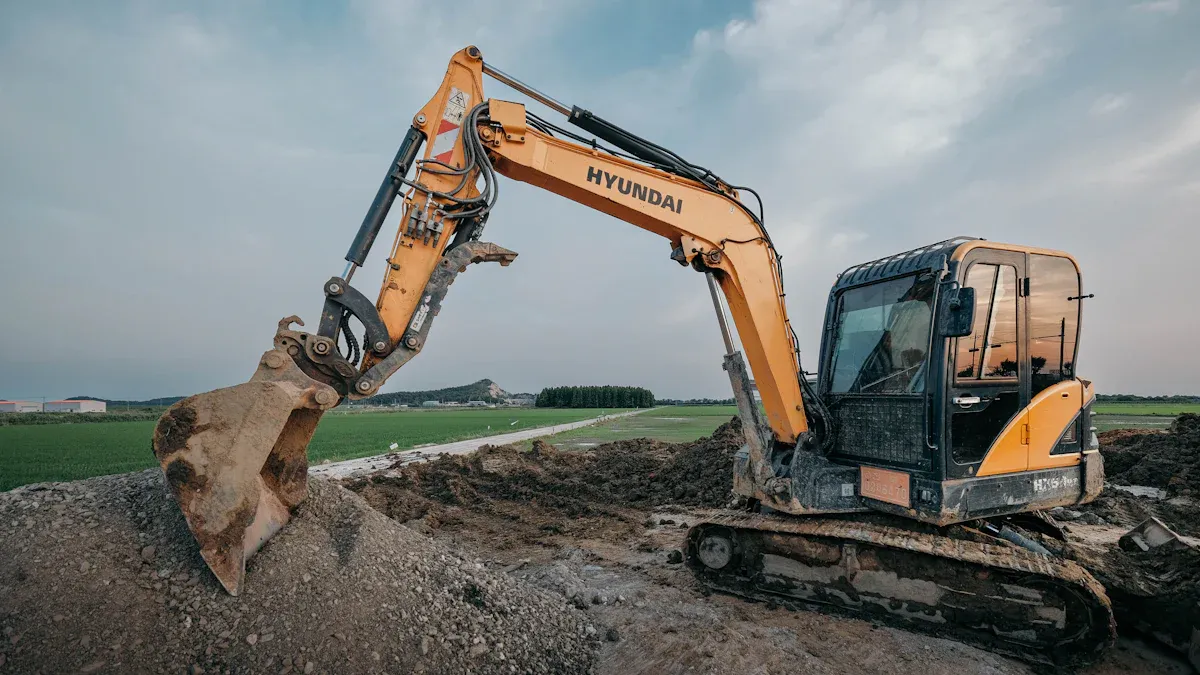
Proper tooth selection, regular rotation, and advanced protective coatings significantly extend the lifespan of Caterpillar bucket teeth. These crucial strategies minimize operational costs. They also effectively reduce equipment downtime. Proactive management of bucket tooth wear directly contributes to improved digging efficiency and overall productivity.
Key Takeaways
- Choose the right bucket teeth for your job. This helps them last longer and dig better.
- Turn your bucket teeth often and check them daily. This makes sure they wear evenly and you can fix problems fast.
- Use special coatings and good digging habits. This protects the teeth and saves money on replacements.
Matching the Correct Caterpillar Bucket Teeth
Understanding Tooth Types for Specific Applications
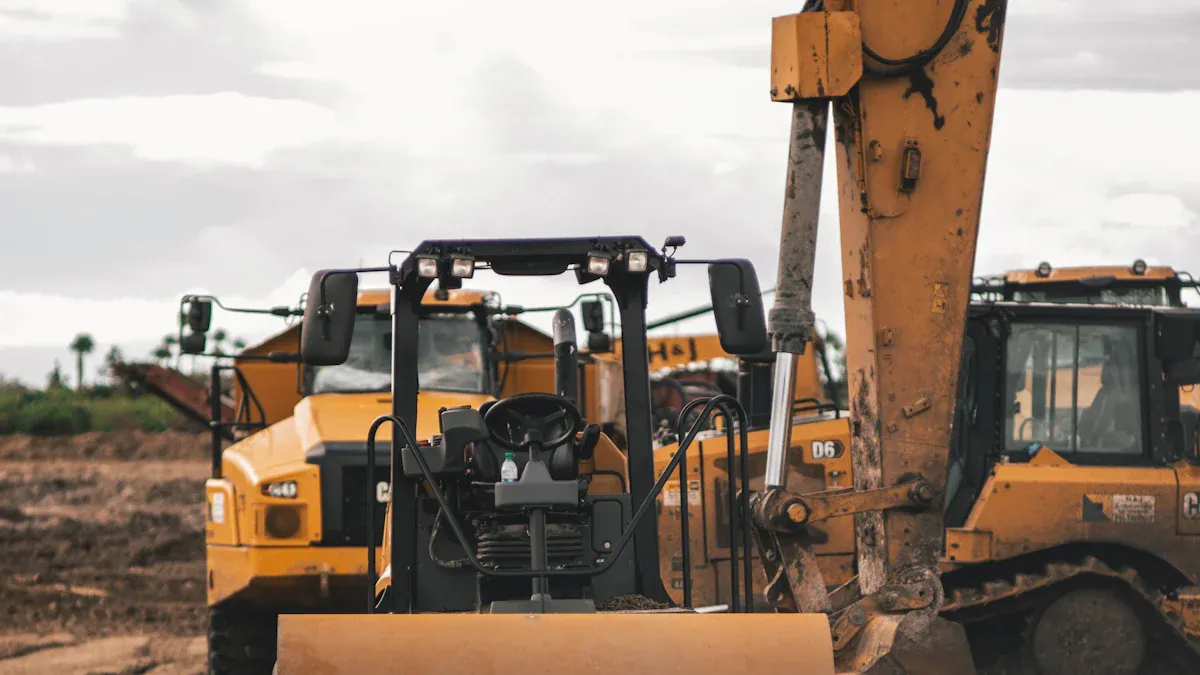
Selecting the correct bucket tooth type is essential for minimizing wear. Different applications require specific tooth designs. For example, backhoe bucket teeth, excavator bucket teeth, loader bucket teeth, and skid steer bucket teeth each serve distinct purposes. Beyond these general categories, specialized tooth types exist for various tasks.
| Type of Tooth | Primary Application/Characteristic |
|---|---|
| General Purpose Teeth | Suitable for light work and soft dirt, common for mini excavators. |
| Heavy Duty Teeth | Exceptionally strong for rocky areas, reinforced tip for durability. |
| Penetration Teeth | Excels in icy conditions and hard ground, pointed slim profile for enhanced cutting strength. |
| Tiger Teeth | Sharp points to shatter rocks, dual tips improve penetration, suitable for 20-45 ton machines. |
| Long Teeth | Ideal for trenching, increased length for deeper digging, wear-resistant steel. |
| Chisel Teeth | Offers a flat finish, wide tip for shaping and grading areas. |
| Flare Teeth | Aids in making wider, shallow cuts, broad shape for efficient work across sizable areas, ideal for grading and backfilling. |
Choosing the right tooth ensures optimal performance and reduces stress on the equipment.
Assessing Material and Ground Conditions
Ground conditions significantly impact bucket tooth wear. Continuous contact with abrasive materials like soil, gravel, or stones causes material abrasion and edge dulling. For instance, six hours of continuous trenching in wet sandy soil can result in approximately 10%-15% edge wear. Environmental conditions also play a role. Wet soil or corrosive mineral content accelerates local corrosion. Acidic soil, for example, significantly increases edge wear when buckets are not properly cleaned or lubricated.
| Operating Environment | High-Wear Bucket Performance | Standard Carbon Steel Bucket Performance |
|---|---|---|
| Sandy soil, 8 hours | Minor edge wear, service life >12 months | Significant edge wear, replacement needed in ~6 months |
| Wet soil, 6 hours | Edge remains sharp, efficiency stable | Edge dulling, efficiency drops ~20% |
Non-spherical particles, like ellipsoidal ones, lead to greater excavation resistance and bucket wear compared to spherical particles. Particle shape is a significant factor in abrasive wear. Particles with low circularity result in lower wear impact. Non-spherical particles increase shear and sliding due to heightened friction, accelerating abrasive wear.
Benefits of Optimal Tooth Selection
Optimal tooth selection offers many benefits. It directly reduces wear on Caterpillar bucket teeth. This extends the lifespan of the teeth. Proper selection also improves digging efficiency. It minimizes operational costs by reducing the need for frequent replacements. Ultimately, choosing the correct tooth type for the job enhances overall productivity and profitability.
Implementing Regular Rotation of Caterpillar Bucket Teeth
Establishing a Consistent Rotation Schedule
Operators should establish a consistent rotation schedule for bucket teeth. This practice distributes wear evenly across all teeth. It prevents one tooth from wearing down faster than others. Many operations rotate teeth after a set number of operating hours. Others rotate them based on visual inspection. This proactive approach maximizes the utility of each tooth. It also ensures balanced performance across the entire bucket.
Monitoring Uneven Wear Patterns
Operators must monitor uneven wear patterns on bucket teeth. These patterns often signal misalignment or other operational issues. Routine inspections help identify wear and tear early. This prevents small problems from becoming large ones. It also extends the lifespan of the bucket teeth. A loose fit or a worn adapter frequently causes early adapter wear. This then leads to uneven tooth wear. The movement between the tooth and adapter creates vibration. This vibration causes irregular wear on the adapter itself. Operators can prevent premature wear by monitoring and ensuring a snug fit. This action significantly extends the lifespan of Caterpillar Bucket Teeth.
Impact on Overall Tooth Lifespan
Regular rotation and careful monitoring significantly extend the overall lifespan of bucket teeth. This practice reduces the need for frequent replacements. It also lowers operational costs. Equipment experiences less downtime. This improves productivity. By managing wear proactively, businesses achieve greater efficiency and profitability from their heavy machinery.
Utilizing Advanced Wear Protection for Caterpillar Bucket Teeth
Exploring Coating Technologies and Materials
Advanced coating technologies significantly enhance the durability of bucket teeth. Hardfacing is a common and economical method. It creates a protective metallurgical coating. This coating improves the service life and efficiency of metal parts. Laser cladding technology is a recently developed surface coating method. It melts powder material onto the surface with a laser beam. This forms a fully dense, metallurgically bonded coating. This technology further enhances the wear resistance of bucket teeth. Ni60-WC composite coatings, prepared using laser cladding, show great promise. These coatings contain varying amounts of tungsten carbide (WC) within a Ni60 matrix. They offer superior wear characteristics compared to standard hard-facing coatings.
Applying Weld-On Protection and Wear Plates
Operators can apply weld-on protection and wear plates to reinforce bucket teeth and surrounding areas. These physical barriers absorb impact and abrasion. They prevent direct wear on the primary structure. High-strength alloy bucket shrouds, heel shrouds, and wear plates are examples. These additions provide an extra layer of defense. They are particularly useful in abrasive environments. Proper application ensures a secure fit and maximum protection. This strategy extends the life of the entire bucket assembly.
Advantages of Enhanced Durability
Investing in wear protection solutions leads to long-term cost savings. These solutions reduce wear and tear. They decrease the frequency of replacements. They also minimize equipment downtime. Unprotected excavator bucket teeth typically require replacement every 1,000 to 2,000 hours. Advanced protection can extend a bucket’s life well beyond this range. This postpones costly replacements. It reduces direct costs, downtime, and labor expenses. The savings from prolonged bucket life and reduced maintenance far outweigh the initial investment costs. This enhanced durability improves the operational efficiency of Caterpillar Bucket Teeth.
Optimizing Operator Techniques for Caterpillar Bucket Teeth
Minimizing Excessive Force and Impact
Operators play a crucial role in reducing wear. They must avoid applying excessive force. High impact forces damage bucket teeth quickly. Operators should use smooth, controlled movements. They must not slam the bucket into hard surfaces. This practice prevents chipping and breaking. It also extends the life of the teeth. Gentle operation saves money on replacements.
Avoiding Unnecessary Ground Contact
Unnecessary ground contact causes significant wear. Operators should lift the bucket clear of the ground when not digging. Dragging the bucket across rough terrain grinds down the teeth. This action also wears down the bucket’s underside. Operators must maintain proper bucket angle during digging. This ensures only the teeth engage the material. Avoiding scraping reduces abrasive wear. It keeps the teeth sharp longer.
Training for Efficient Digging Practices
Proper training is essential for all operators. Training programs teach efficient digging practices. Operators learn to use the machine’s power effectively. They understand how to penetrate material with minimal effort. This reduces stress on the bucket teeth. Skilled operators can feel the ground conditions. They adjust their technique accordingly. This prevents premature wear on components. Regular training improves overall operational efficiency. It also extends the lifespan of equipment, including Caterpillar Bucket Teeth.
Regular Inspection and Maintenance of Caterpillar Bucket Teeth
Daily Visual Checks for Early Wear Signs
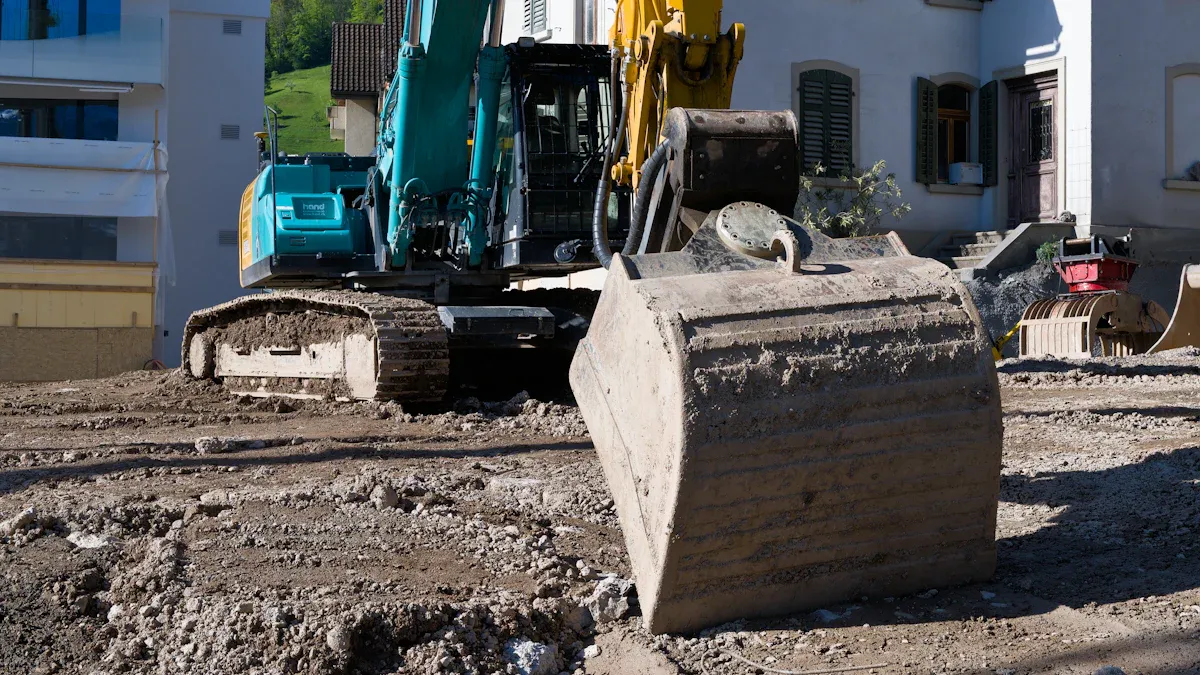
Operators perform daily visual checks. They inspect bucket teeth for wear and security. This helps identify problems early. Look for uneven wear on various components. Also, check for excessive wear on ground-engaging tools like bucket teeth and cutting edges. Thinning edges, cracks, and loose fittings are critical signs. Addressing these issues quickly prevents further damage. Regular checks ensure the bucket operates safely and efficiently.
Identifying and Addressing Cupping
Cupping describes a specific wear pattern. It appears as a concave shape on the underside of bucket teeth. This wear reduces the tooth’s ability to penetrate material. It also increases drag during digging. Cupping often indicates improper digging angles or abrasive conditions. Operators should adjust their technique to minimize this wear. Rotating teeth or replacing severely cupped teeth helps restore digging efficiency. Ignoring cupping can lead to faster overall wear and reduced productivity.
Prompt Replacement Strategies for Worn Teeth
Operators must replace worn teeth promptly. Significantly reduced digging efficiency signals a need for replacement. A blunt tip increases digging resistance. This slows excavator movement. Abnormal sounds, like a ‘metal knocking’ or unusual vibration, also indicate issues. These sounds suggest loose, fallen, or aging teeth. An obviously blunted or broken tooth tip requires immediate action. If the tooth root is almost worn flat, replace it. Severe wear on the root can cause breakage during intense operations. Inspect buckets at the start of each shift. Look for missing or excessively worn teeth, cracks, and exposed shanks. Replace worn bucket teeth at the first sign. This prevents hindered digging performance. It also stops potential damage to shanks or the bucket itself.
Extending the lifespan of Caterpillar bucket teeth is achievable through proper selection, regular rotation, and advanced protection. Optimized operator techniques and diligent maintenance significantly reduce costs and boost operational efficiency. These integrated strategies maximize productivity and profitability in heavy equipment operations. Advanced GET systems, for example, extend tip life by up to 30%, reducing downtime and expenses.
FAQ
How often should operators rotate Caterpillar bucket teeth?
Operators should rotate bucket teeth regularly. Many operations rotate them after a set number of operating hours. Others rotate them based on visual inspection. This practice ensures even wear.
What causes cupping on bucket teeth?
Cupping appears as a concave shape on the tooth underside. Improper digging angles or abrasive conditions often cause this wear. It reduces penetration and increases drag.
Can advanced coatings really extend tooth life significantly?
Yes, advanced coatings like laser cladding and hardfacing significantly extend tooth life. They create a protective layer. This layer improves wear resistance and durability. It reduces replacement frequency.

Post time: Jan-06-2026