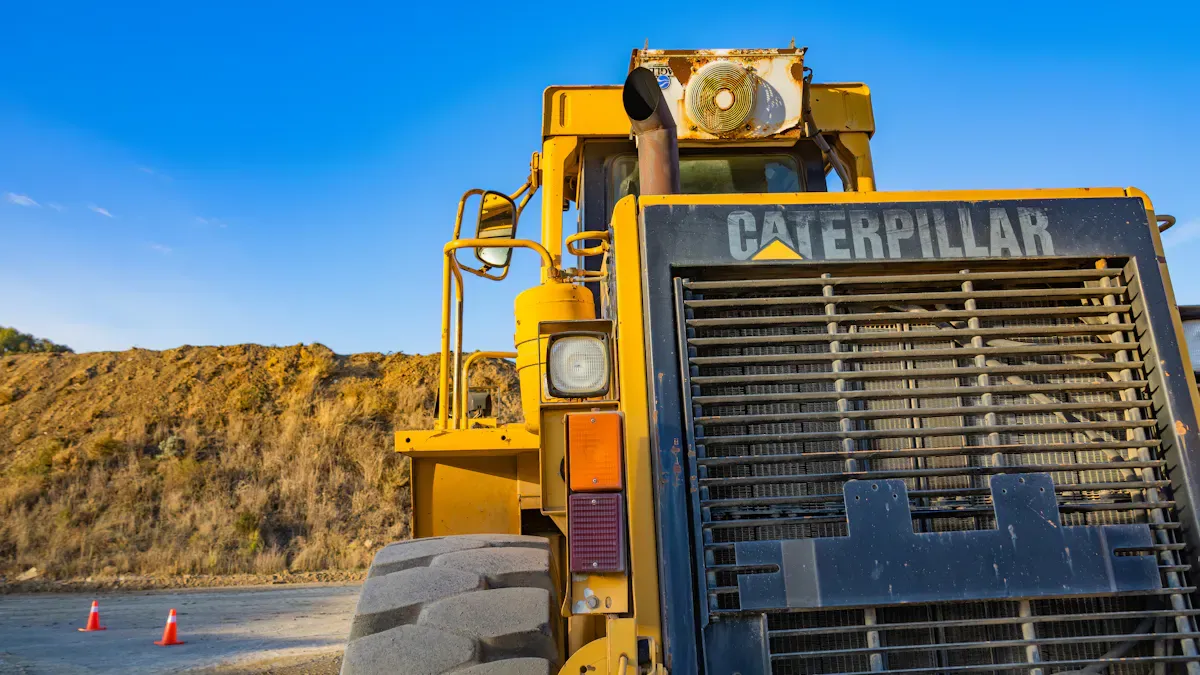
Reducing replacement costs for Caterpillar bucket teeth is crucial for maintaining operational efficiency. Implementing effective strategies can lead to significant savings. Regular maintenance, proper usage, and exploring cost-effective Caterpillar bucket teeth options can help operators minimize expenses while maximizing performance.
Key Takeaways
- Conduct daily inspections of bucket teeth to catch wear early. This proactive approach prevents costly replacements and downtime.
- Implement regular cleaning and lubrication routines. These practices extend the lifespan of bucket teeth and enhance overall performance.
- Train operators on efficient digging techniques. Well-trained operators reduce wear and tear, leading to longer-lasting equipment.
Preventive Maintenance for Caterpillar Bucket Teeth
Regular Inspections
Regular inspections play a vital role in maintaining Caterpillar bucket teeth. Operators should conduct daily visual checks to identify potential issues early. This proactive approach helps prevent costly replacements and downtime. Here are some key aspects to focus on during inspections:
- Look for uneven wear on various components.
- Check for excessive wear on ground-engaging tools like bucket teeth and cutting edges.
- Identify critical signs such as thinning edges, cracks, and loose fittings.
Visible signs of wear indicate when replacement becomes necessary. A blunted or rounded tooth tip reduces penetration efficiency. Additionally, a noticeable reduction in the tooth’s original length and sharpness suggests wear. Following manufacturer recommendations, operators should perform inspections both before and after each operation, especially in high-intensity wear environments like mines and quarries. This diligence minimizes unexpected failures and enhances productivity.
Cleaning and Lubrication
Cleaning and lubrication are essential for extending the lifespan of Caterpillar bucket teeth. Operators should adopt effective cleaning methods to prevent corrosion and wear. The following table outlines recommended cleaning methods:
| Cleaning Method | Description |
|---|---|
| Thorough Cleaning | After each operation, clean bucket teeth and the bucket assembly to remove packed soil, mud, rocks, and debris. Use a pressure washer or stiff brush to prevent buildup that can trap moisture and accelerate corrosion. Clean teeth allow for better visual inspection and maintain sharp, effective digging edges, improving overall productivity. |
Proper storage also contributes to the longevity of bucket teeth. Store spare bucket teeth in a dry, covered area to prevent rust and corrosion. Avoid leaving them exposed to rain, snow, or high humidity. When stacking, use spacers or lay them flat to prevent deformation. Label parts by size and model for quick identification and inventory management.
Implementing a routine of cleaning and lubrication not only enhances performance but also reduces the likelihood of premature wear. Preventive maintenance minimizes downtime by addressing wear and tear proactively. Regular inspections and timely replacements maintain bucket efficiency, positively impacting productivity.
Proper Usage Techniques for Caterpillar Bucket Teeth
Training Operators
Training operators is essential for maximizing the efficiency of Caterpillar bucket teeth. Well-trained operators can significantly reduce wear and tear on equipment. Training programs focus on several key areas:
- Efficient digging practices.
- Effective use of the machine’s power.
- Techniques for penetrating materials with minimal effort.
By mastering these skills, operators can minimize stress on bucket teeth, leading to longer lifespans and reduced replacement costs. Regular training sessions also enhance overall operational efficiency, ensuring that operators remain updated on best practices.
Adapting to Terrain
Different terrains present unique challenges for Caterpillar bucket teeth. Operators must adapt their techniques based on the specific conditions they encounter. The following table outlines various tooth types and their recommended applications:
| Tooth Type | Primary Use | Penetration | Durability | Recommended Applications |
|---|---|---|---|---|
| Chisel Point Teeth | Precision Digging | Extreme | Medium-High | Rocky soil, trenching, hard-packed earth |
| Scarifier Teeth | Breaking Compacted Surfaces | Very High | Very High | Asphalt removal, frozen ground, land clearing |
Understanding the right tooth type for the job can enhance performance and reduce damage. Operators should assess the terrain before starting work. This proactive approach allows them to select the most suitable bucket teeth, ensuring optimal results and minimizing unnecessary replacements.
Cost-Effective Purchasing Options for Caterpillar Bucket Teeth
Comparing Suppliers
When purchasing Caterpillar bucket teeth, comparing suppliers is essential for cost savings. Operators should evaluate potential suppliers based on specific criteria. The table below outlines key factors to consider:
| Criteria | Description |
|---|---|
| Quality | Suppliers should have international certifications like ISO 9001 and adhere to ASTM standards to ensure product quality. |
| Reliability | A supplier’s ability to deliver consistently and manage logistics effectively is crucial for timely operations. |
| Support | Excellent customer service and technical support are essential for addressing buyer inquiries and ensuring proper product use. |
| Product Range | A comprehensive range of compatible bucket teeth for various Caterpillar models simplifies procurement. |
| Manufacturing Capabilities | Advanced manufacturing processes and quality control measures ensure consistent product quality. |
| Pricing Structure | Understanding different pricing models and payment terms is vital for budgeting and financial planning. |
| Shipping and Logistics | Efficient logistics and clear communication about lead times are necessary to avoid delays and unexpected costs. |
By focusing on these criteria, operators can make informed decisions that lead to better purchasing outcomes.
Considering Aftermarket Alternatives
Aftermarket bucket teeth offer a cost-effective solution for many operators. They typically come at a lower price than OEM parts, making them attractive for budget-conscious buyers. However, operators should weigh the pros and cons before making a decision.
Advantages of Aftermarket Bucket Teeth:
- Extend bucket lifespan
- Improve digging efficiency
- Reduce downtime
- Lower total cost of ownership
Disadvantages of Aftermarket Bucket Teeth:
- Incompatibility issues
- Poor retention systems
- Risk of chipping or shattering
While aftermarket options can save money, they may lack the durability and reliability of OEM parts. Operators should assess their specific needs and consider the potential trade-offs.
Ultimately, a balanced approach to purchasing can lead to significant savings while maintaining operational efficiency.
Extending Lifespan of Caterpillar Bucket Teeth
Using Protective Covers
Using protective covers significantly enhances the durability of Caterpillar bucket teeth. Operators can choose from various options, including advanced coating technologies, weld-on protection, and wear plates. These protective measures create barriers that absorb impact and abrasion, preventing direct wear on the primary structure of the bucket teeth.
For instance, advanced coating technologies like hardfacing and laser cladding improve wear resistance. Hardfacing provides an economical method to create wear-resistant coatings, while laser cladding forms a dense, metallurgically bonded coating that further enhances durability. The table below summarizes the benefits of different protective technologies:
| Technology | Benefit |
|---|---|
| Protective coatings | Enhance wear resistance |
| Hardfacing | Economical method to create wear-resistant coatings |
| Laser cladding | Forms a dense, metallurgically bonded coating, improving wear resistance |
| Ni-based alloys | Improved hardness and friction with increased TiN content |
| Ni60 with WC composites | Further enhance wear resistance through laser cladding |
Implementing these protective measures can lead to a noticeable reduction in wear rates, ultimately extending the lifespan of Caterpillar bucket teeth. Operators should consider investing in these technologies to maximize their equipment’s efficiency and longevity.
Implementing Rotation Practices
Implementing rotation practices is another effective strategy for extending the lifespan of Caterpillar bucket teeth. Regularly rotating teeth ensures even wear across all components, preventing premature failure. Operators should follow these best practices for effective rotation:
- Rotate teeth periodically to ensure even wear.
- Schedule rotations based on usage patterns and wear rates.
- Keep a log of tooth usage to track performance and identify when rotations are necessary.
Additionally, operators should conduct routine inspections to catch small problems before they escalate. Timely replacement of worn teeth protects the bucket and maintains efficiency. Sharpening dull teeth keeps them effective and prevents excessive wear. Regular lubrication reduces friction and wear on pins and bushings, while cleaning the bucket after each use prevents extra weight and reveals hidden damage.
By adopting these practices, operators can significantly extend the lifespan of their Caterpillar bucket teeth, leading to reduced replacement costs and improved operational efficiency.
Reducing replacement costs for Caterpillar bucket teeth requires proactive measures. Operators should focus on preventive maintenance, proper usage techniques, and cost-effective purchasing options. Implementing these strategies leads to significant savings. For instance, proactive maintenance can save ten to twenty times the cost of unplanned failures. By adopting these practices, operators enhance efficiency and minimize downtime.
FAQ
What are the signs that bucket teeth need replacement?
Operators should look for cracks, excessive wear, or rounded tips. These signs indicate reduced efficiency and the need for timely replacement.
How often should I inspect my bucket teeth?
Inspect bucket teeth daily, especially before and after operations. Regular checks help identify wear early and prevent costly replacements.
Can aftermarket bucket teeth perform as well as OEM parts?
Aftermarket bucket teeth can be cost-effective but may vary in quality. Assess compatibility and durability before making a purchase decision.
Post time: Mar-11-2026