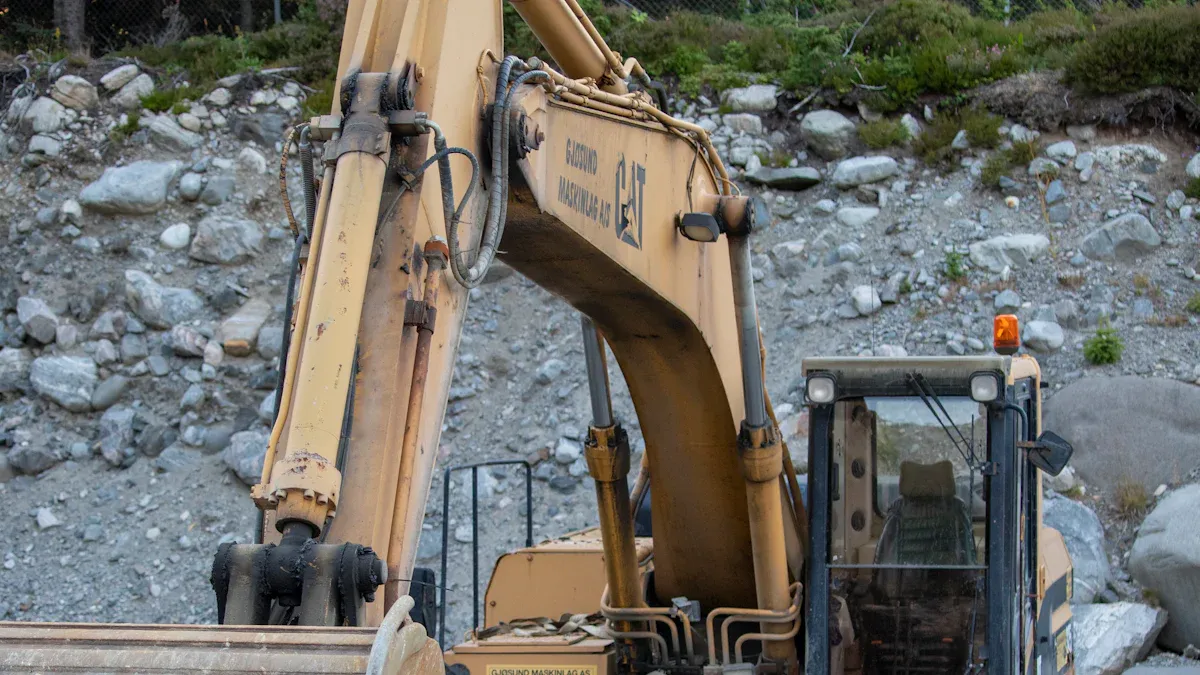
Selecting the correct Caterpillar Bucket Teeth is paramount for optimal machine performance and cost-efficiency. Operators find that proper tooth selection significantly boosts productivity on job sites. It also extends equipment longevity. Understanding how to choose CAT bucket teeth ensures long-term operational success.
Key Takeaways
- Choosing the right Caterpillar bucket teeth helps your machine work better and saves money.
- Understand the differences between J-Series and K-Series teeth to pick the best fit for your work.
- Match your bucket teeth to the ground and material you are digging to get the best results.
Understanding Your Caterpillar Bucket Teeth System
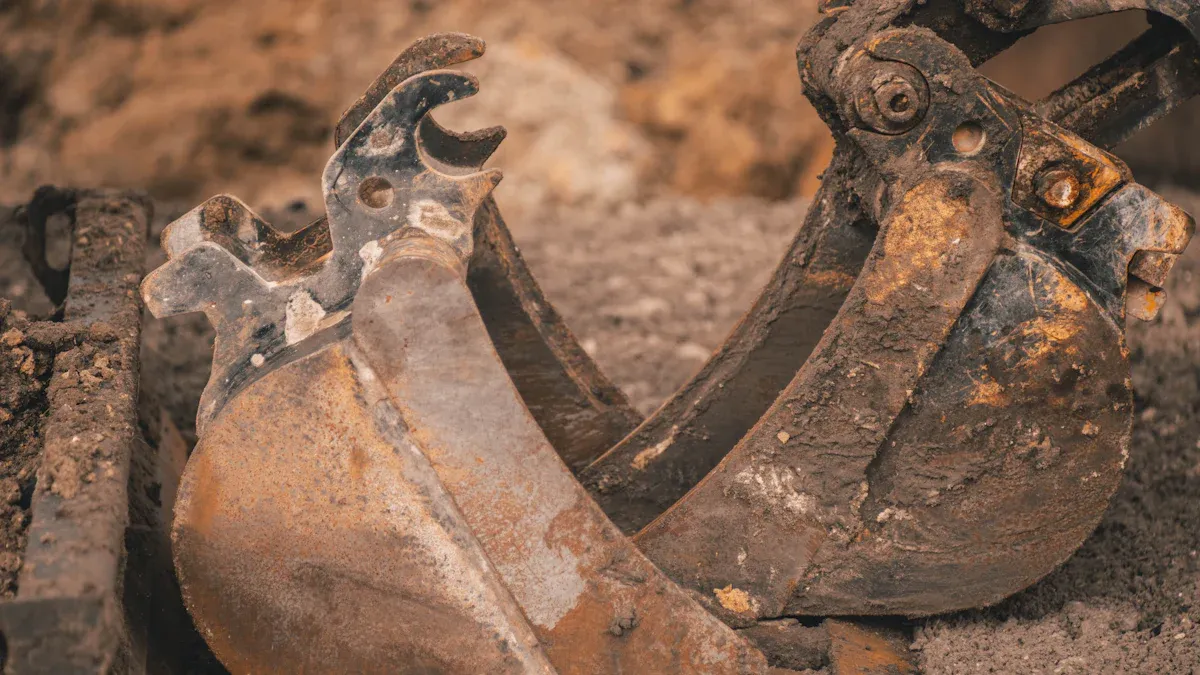
A thorough understanding of the Caterpillar bucket teeth system is essential for any operator. This knowledge helps in making informed decisions about tooth selection, which directly impacts operational efficiency and equipment lifespan. The system comprises several critical components working together to deliver optimal digging performance.
Key Components of Caterpillar Bucket Teeth
A complete Caterpillar bucket teeth system involves more than just the digging tip. It consists of three primary parts. First, the teeth themselves, designed for digging efficiency and wear resistance. Both J Series and K Series systems include these crucial digging elements. Second, the retention system secures the tooth to the adapter. The J Series uses a side-pin design, while the K Series features an advanced hammerless retention system. Third, the adapter is the component on the bucket to which the tooth attaches via the retention system. K Series teeth may require specific adapters or modifications to existing buckets.
Different types of teeth serve various functions. Standard Bucket Teeth are ideal for general digging in materials like soil, gravel, and clay. Rock Bucket Teeth feature robust construction for excavating tough materials such as rocks, concrete, and hard-packed soil. Tiger Bucket Teeth are known for aggressive digging, with a unique shape for faster penetration and increased efficiency in demanding tasks. For example, the ’1U3252 Caterpillar J250 Replacement Standard Long Side Bucket Pin Tooth’ represents a common type of Caterpillar bucket tooth component. These components are vital across various Caterpillar machine series, including small, medium, large, and Forging excavators.
Comparing Caterpillar J-Series Bucket Teeth
Caterpillar J-Series bucket teeth represent a traditional and widely used system. They feature a traditional side-pin retention system, which secures the tooth to the adapter with a horizontal pin and retainer. This mechanism ensures teeth remain firmly attached during operation, contributing to increased safety. While installation or removal can be time-consuming and may require a hammer, this system is proven and reliable.
J-Series teeth possess a robust and sturdy profile, providing excellent breakout force and reliable performance across various digging conditions. Their solid construction ensures dependable wear life in general applications, effectively resisting impact and abrasion. These teeth are made from alloy steel with advanced heat treatment for enhanced durability, leading to extended tooth life and reduced replacement frequency. J-Series teeth typically have a lower initial purchase price and are widely compatible with older Caterpillar equipment, making them a straightforward replacement option for many machines.
The versatility of J-Series teeth allows them to handle diverse excavation tasks with multiple tooth profiles. They are frequently sought after for replacement parts in mining and construction equipment. Operators use them on backhoe bucket teeth, excavator bucket teeth, loader bucket teeth, and skid steer bucket teeth. Their strength, reliability, and wear life make them suitable for ambitious projects. The durability and efficiency of J-Series teeth lead to quicker work completion, reduced downtime, and higher productivity, directly translating to increased profitability. Their design also reduces the chances of uncontrolled excavation, enhancing safety in critical industries.
Exploring Caterpillar K-Series Bucket Teeth
The Caterpillar K-Series bucket teeth system represents a significant advancement in ground engaging tools. This series distinguishes itself with an advanced hammerless retention system. This innovative design allows for quicker, easier, and safer tooth changes compared to the traditional side-pin method of the J-Series. Operators can replace teeth without the need for a hammer, reducing the risk of injury and minimizing downtime on the job site.
K-Series teeth are engineered for enhanced performance and wear life, often featuring more streamlined profiles for improved penetration and material flow. While the core “teeth” component remains, the retention system is the key differentiator. K Series teeth may require specific adapters or modifications to existing buckets to accommodate their unique hammerless design. This system aims to maximize productivity and reduce operational costs through faster maintenance and superior durability in demanding applications.
Matching Caterpillar Bucket Teeth to Job Conditions
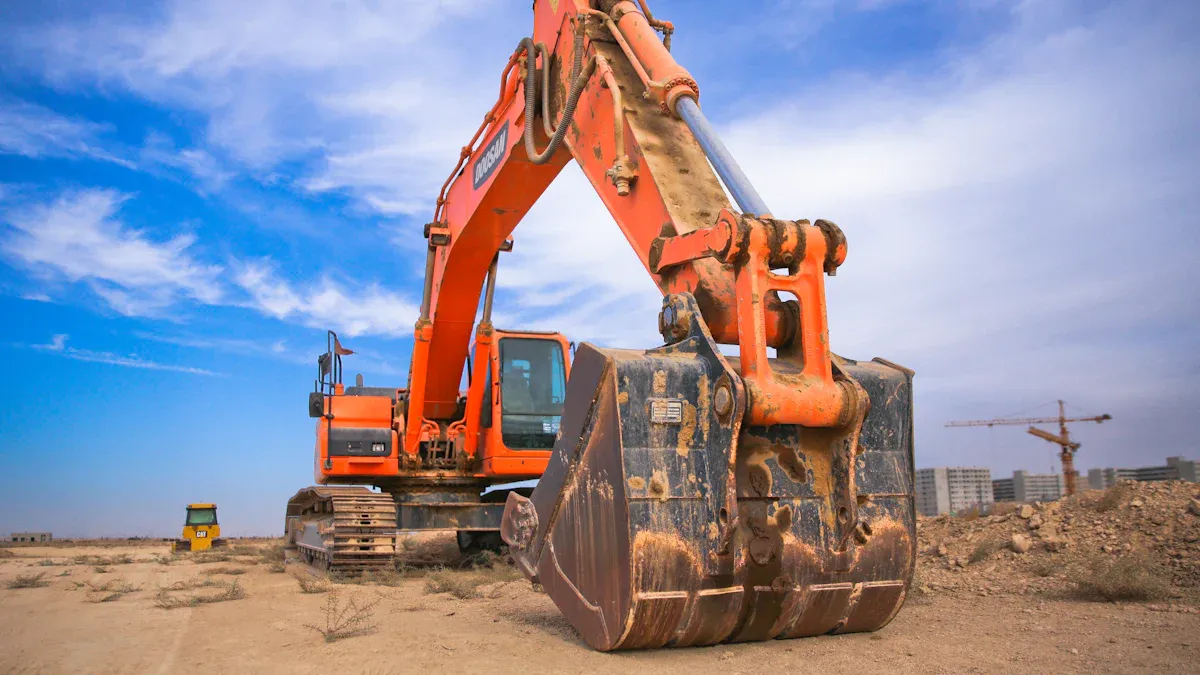
Matching Caterpillar bucket teeth to specific job conditions is a critical step for maximizing efficiency and minimizing operational costs. Different materials and ground types demand particular tooth designs. Selecting the correct teeth ensures optimal penetration, reduces wear on equipment, and enhances overall productivity. Operators must carefully assess the work environment before making a selection.
Selecting Caterpillar Bucket Teeth for Material Hardness
The hardness of the material significantly influences the choice of bucket teeth. Harder, more abrasive materials require robust and specialized teeth. For instance, when excavating highly abrasive materials like granite or basalt, operators should consider the Caterpillar-style abrasion bucket tooth. This tooth, available in J350 and J450 Series, features a reinforced, abrasion-resistant design. Its heavy-duty construction withstands tough digging conditions, making it ideal for high-abrasion environments.
Conversely, less abrasive materials, such as sand or loose soil, allow for different tooth selections.
- Flat or Standard Teeth: These teeth work well for softer, looser soils like sand, loam, or clay. They provide broad contact and efficient material movement with minimal resistance.
- F-Type (Fine Material) Teeth: These teeth offer sharper tips for soft to medium soils, providing superior penetration.
- Chisel Teeth: Operators use chisel teeth for clearing, scraping, and cleaning surfaces in loosely compacted soil.
- Flared Teeth: Flared teeth increase efficiency for moving large volumes of loose materials quickly. They are durable and versatile in soft or loose conditions, including landscaping, agricultural work, sand and gravel operations, and backfilling.
Choosing Caterpillar Bucket Teeth by Ground Conditions
Ground conditions also play a vital role in tooth selection. Soft ground, such as clay or loam, requires different bucket and tooth configurations than hard, rocky terrain. For soft ground conditions, several options prove effective.
- Cribbing bucket: This bucket is effective for precision light-duty work, including digging narrow trenches in soft soil and clay.
- Standard duty bucket: This offers a versatile option for general excavation tasks in soft soil or clay.
Furthermore, operators can choose specific bucket types for varying ground conditions.
- General Purpose Buckets: These are ideal for loam, sand, and gravel, suitable for standard digging operations.
- Heavy Duty Buckets: These buckets are designed for tough materials like dense soil and clay. They feature reinforced sides and stronger teeth for challenging ground.
Specific Caterpillar Bucket Teeth Shapes and Their Applications
Different tooth shapes serve distinct purposes, each optimized for particular applications. Understanding these shapes helps operators make informed decisions. Chisel-shaped teeth, for example, offer versatility across various demanding tasks.
- Mining Operations: Chisel teeth are effective for breaking and digging through harder rocks and ores.
- Demolition Work: They suit handling building debris, concrete, and broken materials, enhancing operational efficiency.
- Road Construction: Chisel teeth are especially effective on hardened ground or soil with alternating soft and hard materials.
- General Earthmoving Tasks: They apply in most soil conditions, including filling, excavation, and road repair.
Chisel teeth are ideal for harder materials or more challenging work environments. They are suitable for rocky or dense soil conditions and prove effective in high-hardness and impact-resistant environments. Operators typically use them for medium to hard soil conditions, such as rocky soil, loose soil, or sand.
Practical Steps for Caterpillar Bucket Teeth Selection and Maintenance
Ensuring Compatibility with Your Machine and Adapters
Operators must ensure replacement bucket teeth and adapters are compatible with the specific loader model. This compatibility is crucial for a secure fit and optimal performance. It also minimizes premature wear. A specific adapter, such as the BDI Wear Parts 119-3204 Teeth Adapter, works with 1U3202 bucket teeth. It is compatible with various excavator models, including Caterpillar, Komatsu, and Hitachi. Caterpillar bucket teeth and adapters are available for small, medium, large, and Forging Excavator Series.
Recognizing Wear and When to Replace Caterpillar Bucket Teeth
Operators must recognize signs of wear to maintain efficiency. Dull teeth reduce digging efficiency and increase fuel consumption. Cracks or breakage pose safety risks and can damage the bucket. Rounded edges from excessive wear lead to uneven cutting. These issues impact machine performance. Teeth often lose effectiveness after about six weeks of regular use. They show reduced digging power or wear down to nubs. Operators should replace bucket teeth before exceeding 50% wear. They should also maintain a 5mm hard facing on the teeth. Standard CAT Bucket Teeth typically last 400-800 operating hours. Excavator bucket teeth generally require replacement every 500-1,000 operating hours. Material type, operator habits, and maintenance influence actual lifespan.
Avoiding Common Mistakes with Caterpillar Bucket Teeth
Operators often make mistakes during selection and installation. Mismatching bucket teeth to the machine and digging conditions hinders penetration. It also reduces productivity. Not matching teeth with adapters causes premature wear. Ignoring model matching during installation leads to loose tooth roots. Continuing to use old pin shafts reduces structural stability. Incomplete installation means teeth can loosen and fly out. Not cleaning the tooth seat prevents proper seating. Overtightening bolts can damage threads or teeth. Always adhere to manufacturer torque specifications.
A systematic approach to choosing the right ground engaging tools is crucial. Optimized selection of Caterpillar Bucket Teeth significantly boosts operational efficiency and reduces costs. Operators must continuously assess and maintain their teeth for peak performance. This ensures long-term productivity and equipment longevity.
FAQ
What is the main difference between J-Series and K-Series teeth?
J-Series teeth use a side-pin retention system. K-Series teeth feature a hammerless retention system. This allows for faster, safer tooth changes.
How often should operators replace bucket teeth?
Operators should replace teeth before 50% wear. Standard CAT teeth last 400-800 hours. Excavator teeth typically last 500-1,000 hours.
Why is compatibility important for bucket teeth?
Compatibility ensures a secure fit. It optimizes performance. It also prevents premature wear on the machine and teeth.

Post time: Dec-12-2025