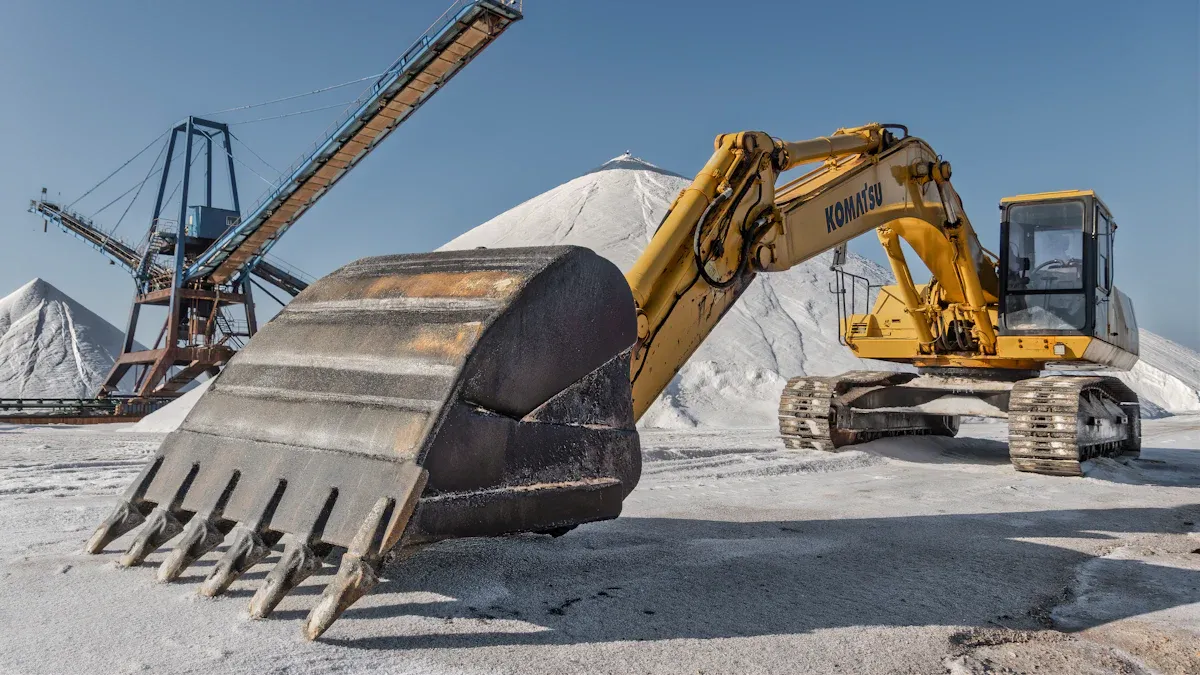
Operators must replace CAT bucket teeth when they observe significant wear, damage, or decreased performance. Understanding the optimal CAT bucket teeth replacement cycle is crucial for maintaining operational efficiency. Knowing when to replace excavator teeth also prevents further equipment damage and ensures consistent productivity on the job site.
Key Takeaways
- Replace CAT bucket teeth when they look worn, are broken, or your machine works slower. This keeps your equipment working well.
- The type of dirt you dig, how hard you work the machine, and how often you use it change how fast teeth wear out. Harder dirt wears teeth faster.
- Check your bucket teeth often for wear. Replacing them on time saves money and keeps your machine safe and productive.
Factors Influencing CAT Bucket Teeth Replacement Frequency
Material Being Excavated
The type of material excavated significantly impacts the wear rate of CAT bucket teeth. Highly abrasive materials, such as shot granite, sandstone, high silica sand, caliche, ore, and slag, cause accelerated wear. Caterpillar engineers systems like CAT ADVANSYS™ and CAT HEAVY DUTY J TIPS for maximum productivity in these challenging conditions. These systems perform powerfully in abrasive environments. The CAT® FLUSHMOUNT TOOTH SYSTEMS also boost productivity in high-abrasion environments. They balance strength, penetration, and wear life, effectively piercing tough materials. Standard CAT bucket teeth are suitable for softer soils and loose gravel. Heavy-duty teeth, however, feature advanced alloy steels and thicker designs for rock quarries, heavy excavation, and mining operations.
| Feature | Standard CAT Bucket Teeth | Heavy-Duty CAT Bucket Teeth |
|---|---|---|
| Ideal Operating Conditions | Softer soils, loose gravel, less abrasive materials | Rock quarries, heavy excavation, demolition, shot rock, highly abrasive materials, compacted soil, gravel, mining operations |
| Material Composition | Standard materials | Advanced alloy steels (e.g., chromium, molybdenum, manganese steel, nickel-chromium-molybdenum steel), sometimes with tungsten carbide inserts |
| Wear Resistance | Lower, designed for general use | Superior, designed for high levels of abrasion and impact |
Operating Conditions
The environment where equipment operates directly affects tooth lifespan. Rocky environments specifically increase tooth wear. This highlights the need for appropriate material selection based on actual working conditions. Different ground conditions require specific tooth types for optimal durability and performance.
- Rocky Terrain: This terrain requires rock teeth with hardened materials and reinforced tips. It causes significant damage and accelerated wear.
- Soft Soil: This soil type is better suited for flat or general-purpose teeth. Aggressive penetration teeth may wear out faster in these conditions.
Usage Intensity
The frequency and aggressiveness of equipment operation influence replacement intervals. Continuous, heavy-duty work naturally leads to faster wear on CAT bucket teeth. Operator habits also directly correlate with the actual lifespan of bucket teeth. Skilled operators can extend tooth life through proper technique, reducing the frequency of replacement. Conversely, aggressive or improper operating techniques can significantly shorten tooth life. This necessitates more frequent replacements.
Key Indicators for Replacing Worn CAT Bucket Teeth
Visible Wear and Tear
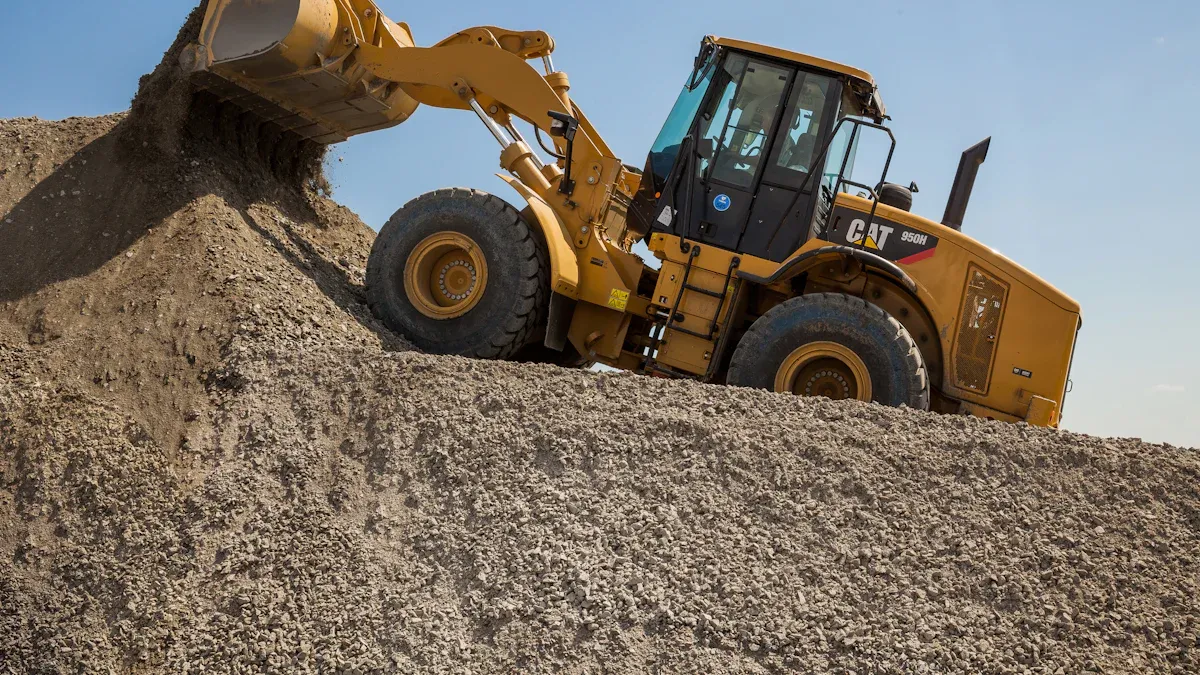
Operators must regularly inspect CAT bucket teeth for visible signs of wear. These signs indicate when replacement becomes necessary. A blunted or rounded tooth tip significantly reduces its ability to penetrate material efficiently. Look for a noticeable reduction in the tooth’s original length and sharpness. Caterpillar bucket teeth typically require replacement when they experience a 30–50% reduction in their original length. This often means the teeth have worn down to approximately half of their initial size. Ignoring these visual cues leads to decreased productivity and increased stress on the equipment.
Structural Damage
Beyond normal wear, structural damage demands immediate attention. Cracks and fractures visible on the bucket and its teeth indicate metal fatigue or stress. These issues require immediate attention to prevent further damage. Continued use of damaged teeth can compromise the entire bucket’s integrity.
- If the tooth head is obviously blunted or broken, it requires immediate replacement.
- Continued use of a blunted or broken tooth can damage the bucket tooth seat or cause abnormal stress on other parts.
Operators should also check for deformation, bending, or chipping. These types of damage can lead to catastrophic failure during operation.
Performance Degradation
A noticeable drop in excavation performance signals worn CAT bucket teeth. The machine struggles to penetrate the ground, requiring more force and time to complete tasks. This directly impacts productivity and operational costs. Worn and damaged Ground Engaging Tools (GET), such as bucket teeth, force the engine to work harder during excavation tasks. This increased effort directly leads to higher fuel consumption rates. Additionally, overfilling the bucket also contributes to increased fuel consumption by putting extra stress on the equipment. Operators may observe longer cycle times, reduced digging efficiency, and increased strain on the hydraulic system. These indicators suggest the teeth no longer perform their intended function effectively.
Recommended Replacement Intervals for CAT Bucket Teeth
Light-Duty Applications
Equipment operators typically encounter less abrasive materials and less demanding tasks in light-duty applications. These scenarios include landscaping, general site cleanup, and soft soil excavation. For these conditions, CAT bucket teeth generally last between 300 to 600 hours. For instance, in small-scale landscaping projects, equipment moves soil and mulch for only a few hours daily. Under these circumstances, replacement might only become necessary every few months. Regular inspections still remain crucial to monitor wear patterns and ensure optimal performance.
Medium-Duty Applications
Medium-duty applications present a more varied range of conditions, impacting the replacement frequency of CAT bucket teeth. These applications often involve digging in compacted soil, gravel, or mixed aggregates. Several factors influence how long these teeth last:
- Material Quality and Manufacturing Process: High-quality alloy steel, such as high-chrome or high-manganese steel, offers strong impact and wear resistance. This extends the lifespan of the teeth. Conversely, low-grade materials lead to excessive wear and edge cracking, which shortens their life.
- Working Conditions and Soil Types: Different environments and varying soil hardness levels directly affect wear rates. Harder, more abrasive soils accelerate wear.
- Equipment Matching and Design Compatibility: Proper fit and design prevent premature wear and failure. Teeth designed for specific machines and tasks perform better and last longer.
- Operator Skills and Working Habits: Proper operating habits significantly extend service life. Operators should use smooth movements, avoid overloading the bucket, and refrain from using the excavator as a bulldozer. Poor habits accelerate wear.
- Maintenance, Replacement Frequency, and Installation: Regular checks, cleaning, lubrication, and correct installation are crucial. Teeth must fit tightly, and pins must be fully installed. Timely replacement before exceeding wear limits also extends service life. Incorrect installation or delayed replacement can increase wear, damage adapters, and lead to higher fuel consumption.
Heavy-Duty Applications
Heavy-duty applications demand the most robust and durable CAT bucket teeth due to extreme conditions. These tasks include hard rock excavation, quarrying, mining, and demolition. Manufacturers design specific tooth series to withstand these severe environments and maximize lifespan.
Caterpillar K Series bucket teeth are highly recommended for heavy-duty applications. They feature a sleeker, more aggressive profile. This design enhances penetration and improves material flow. Manufacturers construct these teeth from high-strength, wear-resistant materials. These materials include specially formulated DH-2 and DH-3 steels. The K Series also incorporates a hammerless retention system. This system allows for quicker and safer change-outs. Furthermore, the tips are reversible, which extends their usable life. These features make the K Series ideal for demanding conditions such as hard rock excavation, quarrying, and heavy-duty construction.
Regular inspection and timely replacement of CAT bucket teeth are essential practices. These actions ensure optimal equipment performance, efficiency, and safety on job sites. Proactive maintenance prevents costly downtime and maximizes productivity. This approach safeguards both machinery and personnel.
FAQ
How often should operators replace CAT bucket teeth?
Operators replace CAT bucket teeth based on wear, damage, and performance. Factors like material, operating conditions, and usage intensity influence replacement frequency. Regular inspections guide this decision.
What happens if operators do not replace worn CAT bucket teeth?
Ignoring worn teeth leads to decreased productivity and higher fuel consumption. It also increases stress on the equipment. This can cause further damage to the bucket and other components.
Which CAT bucket teeth are best for heavy-duty applications?
Heavy-duty applications require robust teeth like the Caterpillar K Series. These teeth feature high-strength, wear-resistant materials. They offer enhanced penetration and durability for extreme conditions.

Post time: Dec-26-2025