Introduction
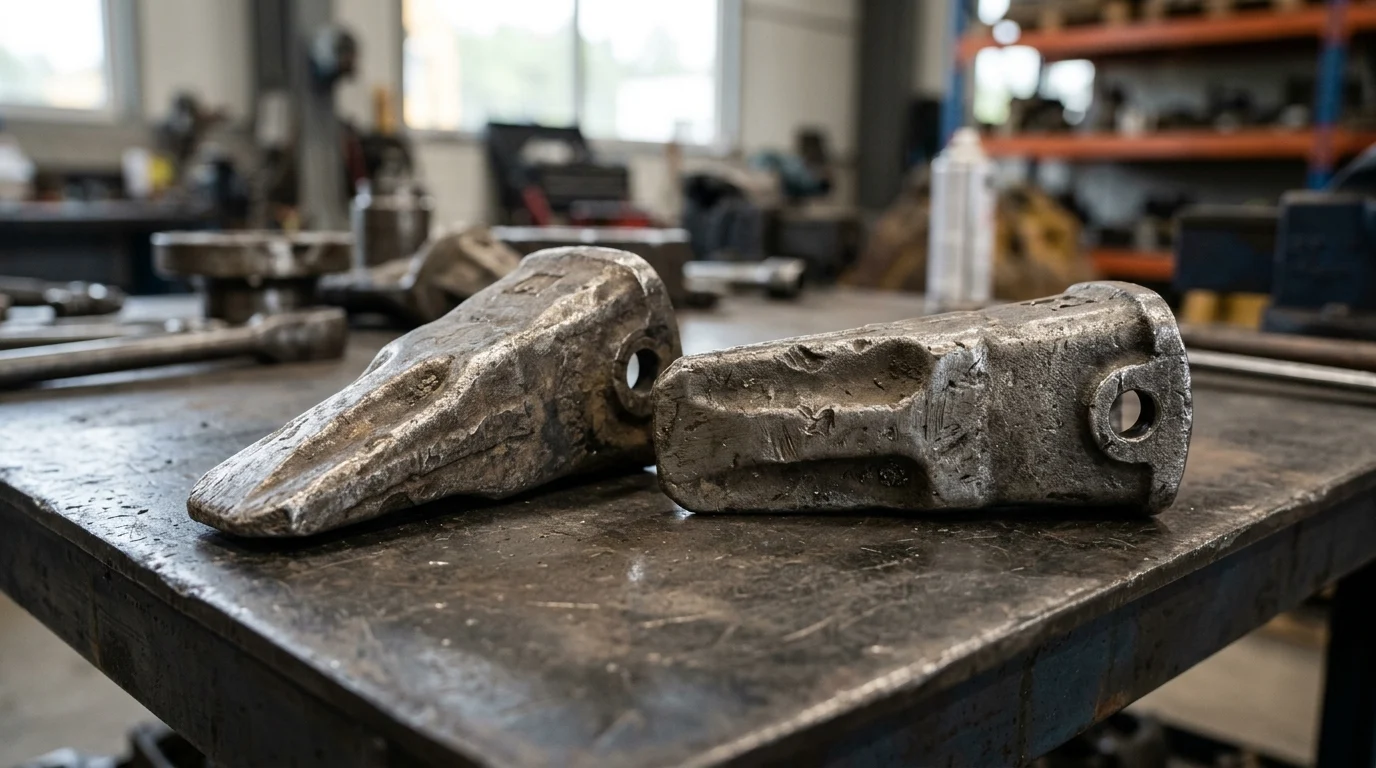
In abrasive sand operations, bucket teeth are often the first wear point to drive downtime, fuel waste, and unexpected parts costs. This introduction frames a field comparison between forged and cast Caterpillar bucket teeth under sustained high-silica conditions, where small differences in material performance become visible quickly. Readers will see what the test setup measured, how wear progressed over real operating hours, and which design delivered better service life and value in the pit. The goal is to move beyond catalog claims and provide practical evidence that helps equipment owners, maintenance teams, and buyers choose the right tooth type for severe sand applications.
Why forged Caterpillar bucket teeth matter in abrasive conditions
If you’ve ever run a heavy excavator in a high-silica quarry, you know exactly how fast the ground can chew through your ground engaging tools (GET). I’ve spent years analyzing equipment wear and tear, and one debate that always surfaces among fleet managers is whether it’s truly worth paying a premium for forged teeth over traditional cast ones. To settle the score once and for all, we decided to take the debate out of the lab and into the dirt. We wanted to see exactly how these two manufacturing methods stacked up when pushed to their absolute limits.
Field test framing for buyers
We set up this field test because buyers constantly ask us for real-world ROI data instead of just theoretical spec sheets. We chose one of the harshest Sand Environments we could find: a commercial silica sand quarry where equipment runs in relentless 12-hour shifts. The material here is notoriously brutal, featuring an 85% silica content that acts like industrial-grade sandpaper on steel. Our primary goal was to give fleet managers hard, actionable numbers on wear rates. When you are burning through consumables, you shouldn’t have to guess when ordering your next batch of replacements.
Forged vs. cast: operating definition
Before diving into the field data, let’s clarify exactly what we’re testing. Traditional Cast teeth are manufactured by pouring molten alloy steel into sand molds. It’s a highly cost-effective and flexible process, but as the metal cools, it can develop microscopic voids or porosity. On the flip side, Forged teeth are stamped from solid, pre-heated alloy steel billets under immense mechanical pressure—often utilizing massive 4,000-ton forging presses. This extreme pressure physically aligns the internal grain structure of the steel. The result is a product that eliminates internal voids, creating a significantly denser, more impact-resistant wear part.
What the field test showed
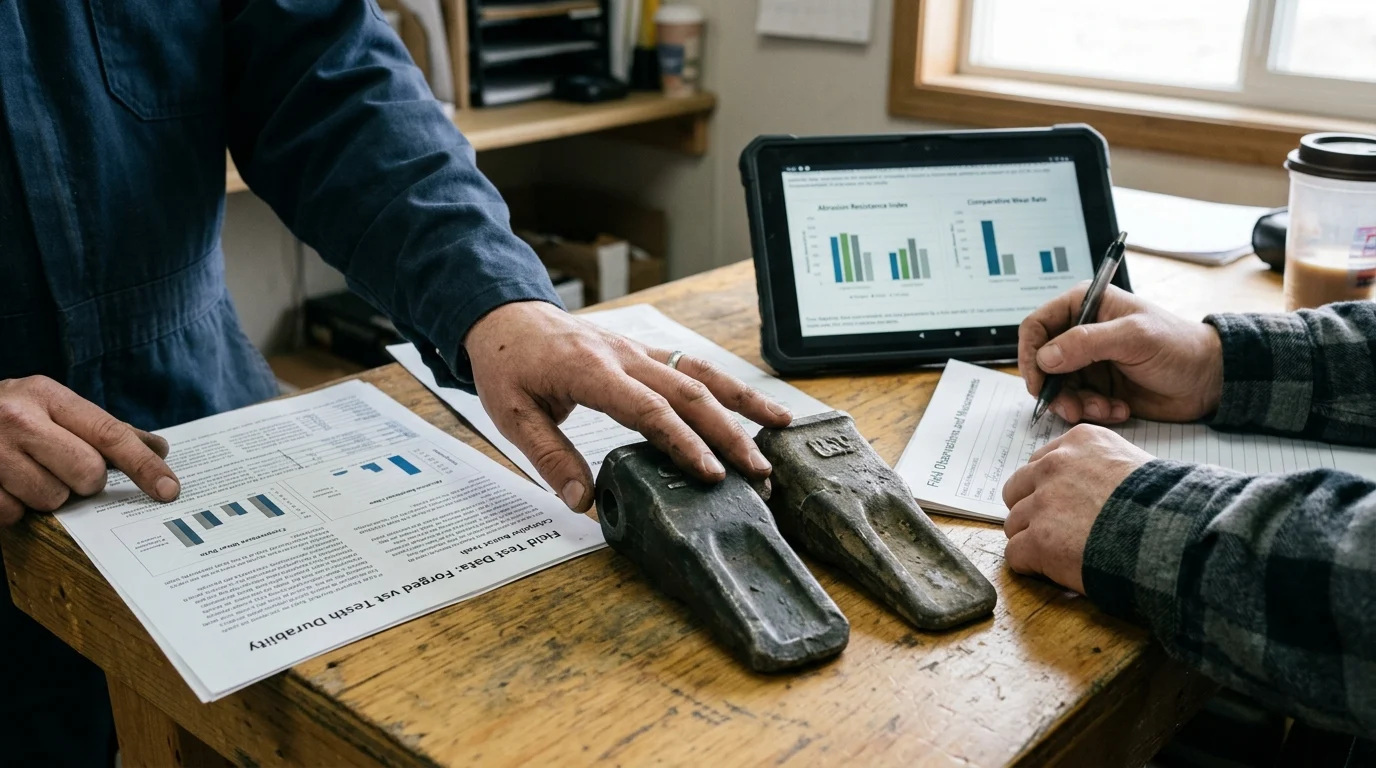
To ensure we gathered reliable data, we wanted a true apples-to-apples comparison. We rigged two identical CAT 336 excavators working side-by-side in the same quarry pit. Both machines handled the exact same abrasive material and worked identical shifts over a grueling two-month evaluation period.
Test variables, wear indicators, and failure modes
During the test, we tracked several critical variables: total operating hours, weight loss measured every 100 hours, and specific failure modes. The operators were instructed to run the machines normally, pushing hard into these highly Abrasive conditions. What I noticed early on was how the two types of teeth deteriorated in completely different ways. The cast teeth suffered from micro-cracking along the edges and experienced rapid tip blunting, which meant they lost their penetration efficiency quickly. The forged teeth, however, maintained a self-sharpening profile as they wore down. This sharper profile allowed the bucket to penetrate the sand with less resistance, which actually kept the machine’s fuel consumption more stable.
Service life and wear rate comparison
When we finally pulled the teeth and crunched the numbers, the final data painted a crystal-clear picture of service life and durability.
| Metric | Forged Teeth | Cast Teeth |
|---|---|---|
| Useful Service Life | 450 hours | 280 hours |
| Weight Loss at 200h | 18% | 31% |
| Breakage Rate | < 1% | 4.5% |
| Cost per Operating Hour | $0.85 | $1.15 |
As you can see from the breakdown, the forged options outlasted the cast ones by roughly 60%. While the forged replacements carried a purchase price that was about 20% higher upfront, the extended 450-hour lifespan drastically reduced the overall cost per hour. If you’re running a large fleet, that translates to significantly less downtime for maintenance and far fewer replacement cycles over the course of a fiscal year. You aren’t just saving money on the parts; you are saving hours of lost production.
How to choose Caterpillar bucket teeth after the field test
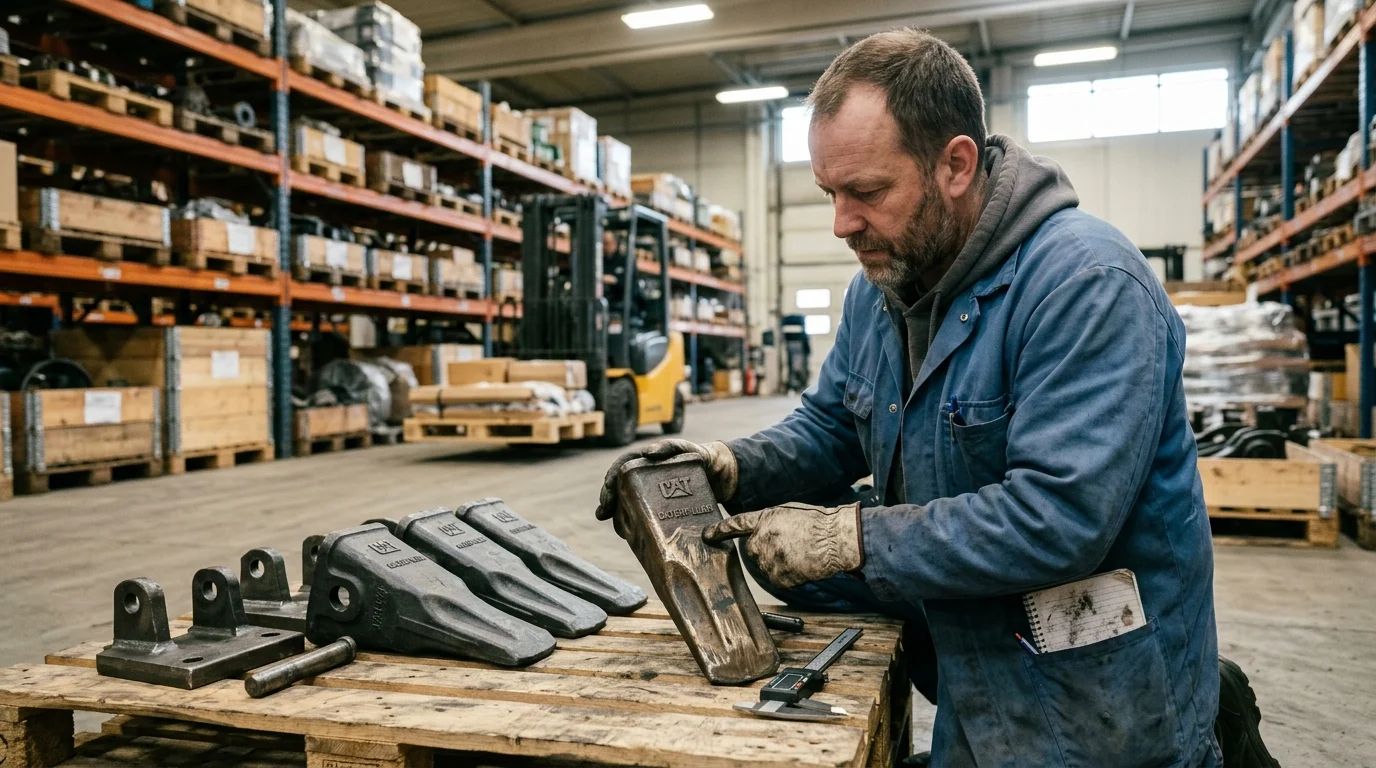
Raw numbers are great, but they only really matter if you can apply them to your daily purchasing strategy. After analyzing the aftermath of this intensive field test, I’ve put together a straightforward framework to help you pick the right ground engaging tools for your specific job site.
Selection steps for matching applications
The first step is matching the tooth specifically to your primary application. Start by assessing your material’s abrasiveness and impact levels. If you are digging in material with over 50% silica content or dealing with tightly compacted rock, the math strongly favors going forged. Next, look at the specific fitment your buckets require. We provide a massive range of Caterpillar Bucket Teeth, including the popular J series, K series, and newer Advansys profiles, as well as specialized side cutters and heel shrouds. When making your selection, always calculate your true cost per hour—divide the purchase price by the expected lifespan—rather than just looking at the initial invoice total.
Decision guidance on when to choose forged or cast
I always tell buyers that cast teeth aren’t inherently bad; they just belong in the right operational environment. If you’re doing light utility work, moving loose dirt, or working in low-impact topsoil, cast teeth are perfectly fine. They will handle the job and save you some cash upfront. But if your operators are snapping teeth on hardpan, or if you find your maintenance crew swapping out a set more than twice a month, it’s definitively time to upgrade. Choosing forged parts is an investment in machine uptime. In the heavy excavation industry, keeping the bucket moving without interruption is exactly how you protect your profit margins and finish jobs on schedule.
Key Takeaways
- The most important conclusions and rationale for Caterpillar Bucket Teeth
- Specs, compliance, and risk checks worth validating before you commit
- Practical next steps and caveats readers can apply immediately
Frequently Asked Questions
Why did forged Caterpillar bucket teeth perform better in abrasive sand?
Forged teeth have a denser grain structure and fewer internal voids, so they resist edge cracking and tip blunting better in high-silica sand.
How much longer did forged teeth last than cast teeth in the field test?
In this test, forged teeth reached about 450 hours versus 280 hours for cast teeth, roughly 60% longer service life.
Do forged Caterpillar bucket teeth reduce operating costs?
Yes. Despite a higher upfront price, tested cost per operating hour was about $0.85 for forged teeth versus $1.15 for cast teeth.
What wear signs should I monitor on bucket teeth in silica sand?
Check for rapid tip blunting, edge micro-cracks, weight loss at service intervals, and breakage. These signs show when replacement is needed.
Where can buyers source forged Caterpillar bucket teeth for abrasive applications?
You can review forged ground engaging tool options and product details at nbjm-china.com to match teeth to your CAT excavator and site conditions.
Post time: May-07-2026