
Different CAT tooth profiles significantly affect digging efficiency in various applications. The right tooth profile directly optimizes critical factors like ground penetration, breakout force, and material retention. For instance, a general purpose tooth provides adaptability across many tasks. Selecting the correct tooth profile ultimately enhances operational productivity and boosts cost-effectiveness for heavy equipment.
Key Takeaways
- Different CAT tooth profiles change how well a machine digs. The right tooth helps the machine dig into the ground better, break up material stronger, and hold more dirt.
- Choosing the correct tooth profile for the job saves money. It makes the machine use less fuel, lasts longer, and needs fewer repairs. This helps projects finish on time and makes more profit.
- There are many types of CAT teeth for different jobs. Some teeth work best in soft dirt, while others are for hard rock. Picking the right tooth makes the machine work its best.
How CAT Tooth Profiles Directly Impact Digging Efficiency
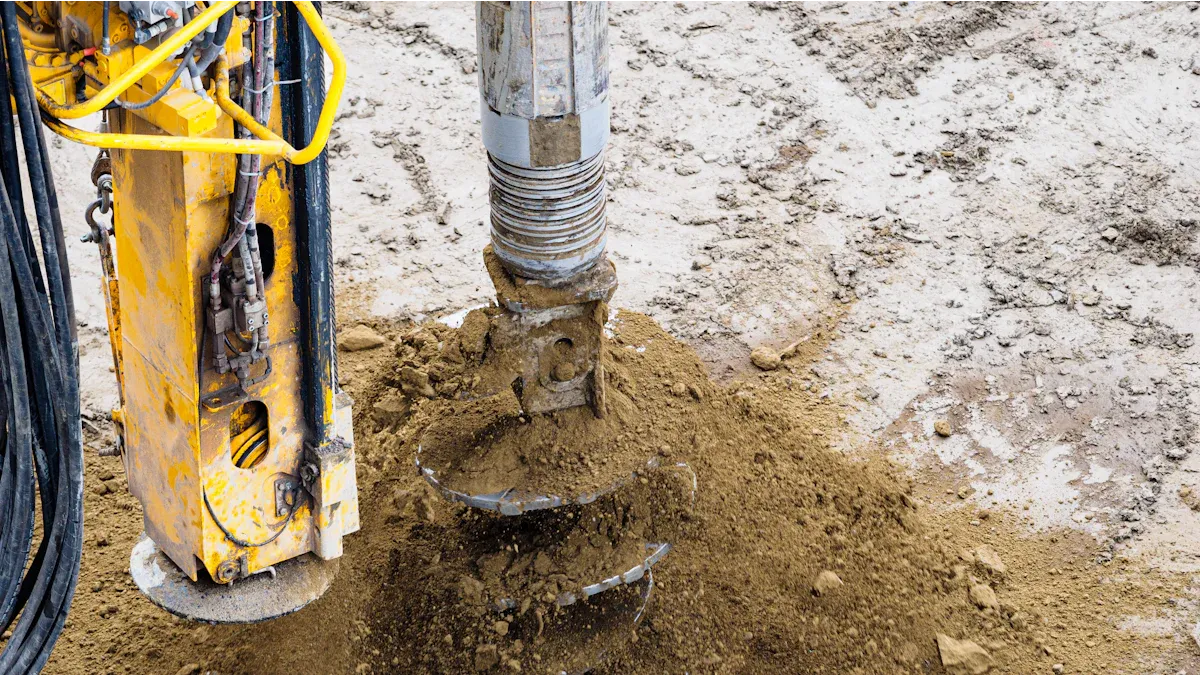
CAT tooth profiles play a critical role in the overall performance of heavy machinery. They directly influence how effectively an excavator or loader interacts with the ground. Understanding these impacts helps operators select the best tools for their specific tasks.
Optimizing Ground Penetration
Effective ground penetration is the first step in efficient digging. The design of a CAT tooth directly determines how easily it cuts into various materials. Different CAT tooth profiles are specifically engineered to optimize ground penetration, as illustrated by their design variations and material applications:
| Tooth Profile Design | Material | Influence on Ground Penetration Depth & Speed |
|---|---|---|
| Wide Tooth Profile | Construction Waste (concrete blocks, rebar) | Increases contact area, prevents deformation, enhances cutting power, enables easy penetration and crushing. |
| Narrow Pitch Design | Soft Soil (high moisture content, strong adhesion) | Reduces cutting resistance by 25%, shortens single-cycle operation time to 15 seconds, increases operating efficiency by 30%. |
| Bionic Tooth Profile | Hard Rock (granite up to 120 MPa) | Disperses contact stress, prevents localized stress concentration and tip fracture, withstands 300 kN excavation impact forces, maintains stable operating efficiency. |
| Low-Profile Design | Soft Soil/Loam | Reduces material residue, improves efficiency when excavation speed is increased. |
| Penetrating Tooth Tip | Hard Rock/Concrete | Locates entry point, allows for slow application of digging force to avoid direct impact. |
A narrow pitch design, for example, significantly reduces cutting resistance in soft, sticky soils. This allows the tooth to slice through material with less effort. Conversely, a wide tooth profile excels in construction waste, using its broad surface to crush and penetrate tough debris. For extremely hard materials like granite, a bionic tooth profile disperses stress, preventing tip damage and ensuring consistent penetration. A general purpose tooth offers a balanced approach, providing reliable penetration across a range of common soil types.
Maximizing Breakout Force
Breakout force refers to the power a machine applies to separate material from its original mass. The shape and angle of a CAT tooth profile directly influence how this force transmits to the ground. A well-designed tooth concentrates force at its tip, allowing it to pry apart compacted soil or rock more effectively. Teeth with sharper, more aggressive angles create a wedge effect, splitting material with less resistance. This maximizes the machine’s inherent power, reducing the strain on the hydraulic system and improving fuel efficiency. Operators achieve more work with less effort when the tooth profile effectively channels breakout force.
Enhancing Material Retention
After penetrating and breaking material, the bucket must efficiently retain it during the lift and swing cycle. The tooth profile plays a role in this process. Teeth with specific shapes help scoop and hold material within the bucket, preventing spillage. For instance, teeth with a slightly cupped or wider base can better secure loose aggregates or sandy soils. This design minimizes material loss during transport, ensuring the operator moves the maximum possible volume with each cycle. Enhanced material retention directly translates to fewer cycles needed to complete a task, significantly boosting overall productivity.
Specific CAT Tooth Profiles and Their Efficiency Gains
Different CAT tooth profiles offer distinct advantages, each engineered for specific digging conditions. Understanding these specialized designs helps operators maximize machine performance and project efficiency.
The Versatility of a General Purpose Tooth
A general purpose tooth provides broad utility across various tasks. Operators use these teeth for stockpiling, re-handling, excavating, and bank loading. Their design focuses on production applications, which improves productivity, increases material retention, and reduces fuel consumption through easier pile work. The Performance Series profile allows for easy loading and maximum carry load. Rounded sidebars help funnel material into the bucket, holding more material with less spillage. An improved strike plane offers better sight lines for faster load cycles, and an open throat design enhances heap size and fill factor. Genuine CAT teeth, including the general purpose tooth, exhibit superior wear life due to specialized alloys and heat treatment. This creates a hard, durable surface resistant to abrasion from tough materials like rock and compacted soil, leading to longer intervals between replacements. They also excel in impact resistance, absorbing shocks from heavy digging and reducing breakage. Their precise shapes and self-sharpening features enhance digging efficiency, allowing optimal penetration with less effort. This reduces strain on the machine and saves fuel. Proper fitment ensures a secure connection to the adapter, preventing movement and ensuring reliable retention.
Heavy Duty Teeth for Tough Conditions
Heavy-duty CAT teeth are specifically engineered for challenging, abrasive materials such as rocks, compacted clay, or mixed aggregates. Their enhanced materials and robust design provide significantly increased durability and superior wear resistance. They endure high levels of abrasion and impact without premature failure. These teeth incorporate advanced alloys for greater strength and durability. Manufacturers use alloy steel with elements like chromium and molybdenum for enhanced hardness and wear resistance. Manganese steel, known for its work-hardening properties, proves ideal for high-impact and abrasive conditions. Nickel-chromium-molybdenum steel offers a balance of high strength, toughness, and wear resistance. For highly abrasive conditions, tungsten carbide inserts provide superior abrasion resistance. Advanced alloy steels like Hardox 400 and AR500 deliver Brinell hardness of 400-500. Cat heavy-duty tips, made with Abrasion Resistant Material, can double wear life compared to standard teeth. This extended lifespan reduces replacement frequency and lowers overall operational costs in challenging work environments. However, highly abrasive conditions can still cut the lifespan of even robust teeth in half.
Abrasion Resistant Teeth for Longevity
Abrasion-resistant teeth are crucial for operations involving highly abrasive materials like sand, gravel, or certain types of rock. These teeth feature specialized material compositions and coatings to extend their lifespan. They utilize premium alloy steel for high strength and extreme wear resistance, processed with special heat treatment for enhanced hardness and resistance to bending and breaking. Manufacturers use 40CR as a raw material for bucket tooth pins. An anti-corrosion coating is applied for lasting performance and rust resistance. Hardened alloys provide exceptional wear resistance, while high-strength alloy steel offers durability and resistance to extreme wear. Hardened steel with Tungsten Coatings is specifically designed for maximum abrasion resistance, ensuring these teeth withstand harsh, gritty environments for longer periods.
Penetration Plus Teeth for Hard Ground
Penetration Plus teeth, often referred to as “Tiger Teeth,” significantly improve digging performance in hard ground compared to standard teeth. A general purpose tooth works best for light work, soft dirt, and basic excavation, offering a strong, wide, durable wedge shape for good load capacity. In contrast, penetration teeth feature a narrow, pointed tip for exceptional penetration and efficiency in dense material. Their spike design narrows into a pointed working edge, providing superior penetration capabilities. This extremely narrow working edge focuses the machine’s power onto a single point, enabling it to break through tightly compacted terrain effectively. This design excels in icy conditions, hard, compact, or frozen ground, clay, gravel, or rocky conditions. They reduce strain on the hydraulic system and cut faster with less fuel use. Their aggressive tip profile helps break through hard layers quickly, increasing force upon the ground.
Rock Chisel Teeth for Extreme Applications
Rock Chisel teeth are designed for the most extreme applications, such as quarrying, mining, and heavy construction in solid rock. These teeth boast a high-quality material composition, contributing to their overall performance and longevity. Precision engineering ensures optimal functionality and fit. They offer versatility across various industries, with different models available for specific requirements, such as heavy-duty for hard rock or standard-duty for less hard rock. Special coatings or surface treatments enhance their corrosion resistance, extending service life, especially in environments like coastal mining operations. The rock chisel design ensures excellent penetration for effective digging in tough or compacted soils. They are compatible with the CAT J200 series bucket system, ensuring smooth integration with existing equipment. A side-pinned design allows for easy and quick installation and removal, reducing downtime and maintenance effort. Manufacturers produce these teeth through Coated Sand Casting, Forged Bucket Teeth Manufacturing, and Precision Casting, offering flexibility and customization. They are manufactured from high-strength alloy steel for long-lasting performance and equipment protection, making them ideal for general excavation and loading with low to moderate impact and abrasion.
Matching Tooth Profiles to Digging Conditions for Peak Efficiency
Selecting the correct CAT tooth profile significantly impacts digging efficiency. Operators must match the tooth design to specific ground conditions for optimal performance. This strategic choice maximizes productivity and minimizes wear.
Soft and Loosely Packed Materials
Working with soft soils like sand or loose dirt requires specific tooth profiles. Chisel or flare teeth are recommended for efficient material scooping. These designs prevent excessive digging or wear. Flare teeth are particularly effective for quickly moving large volumes of loose materials such as sand and gravel. A general purpose tooth might work, but specialized profiles offer superior efficiency in these conditions.
Hard and Compacted Ground
Hard and compacted ground demands robust tooth profiles. These teeth must withstand significant force and resist rapid wear. Specialized carbide bits excel in these challenging environments.
| CAT Tooth Profile | Intended Ground Conditions |
|---|---|
| 564-1260 Heavy Duty Carbide Bit | Medium-Hard Abrasive Asphalt or Concrete |
| 561-8135 Heavy Duty Carbide Bit | Hard Abrasive Asphalt |
| 561-8132 Concrete Carbide Bit | Concrete |
Abrasive Materials and Wear Resistance
Operations involving highly abrasive materials require specific abrasion-resistant bucket teeth. Hardfacing is a common and economical method for creating wear-resistant coatings. Laser cladding technology, often utilizing Ni-based alloys, also improves wear resistance. Ni60-WC composite coatings, especially those with higher WC content, significantly enhance wear resistance. For general digging, high manganese steel teeth provide good toughness. For tougher ground like hard rock, alloy steel or wear-resistant alloys with higher hardness are preferred. Tungsten carbide offers superior hardness and longevity for the hardest jobs.
Frozen Ground and Rock Applications
Frozen ground and rock applications present unique challenges. Heavy-Duty Bullet Teeth feature a reinforced carbide tip for extremely demanding conditions. They are effective for drilling in dense rock and frozen soils. Tiger Teeth also perform best in extreme compact and rocky conditions. The Heavy Penetration Bucket Tooth (Part Number 467-9820) is engineered for large wheel loaders. Its aggressive profile and advanced geometry deliver superior breakout force and penetration in compacted materials, hard rock, and frozen ground.
Measurable Efficiency Improvements from Correct Tooth Selection
Choosing the correct CAT tooth profile brings tangible benefits to operations. These improvements directly impact a project’s timeline and budget. Operators observe better performance across various metrics.
Reducing Cycle Times and Fuel Consumption
Proper tooth selection significantly reduces the time needed to complete digging tasks. A tooth designed for specific material penetrates more easily. This reduces the number of passes an operator needs to make. Less resistance at the bucket edge also means the machine works less strenuously. Optimizing CAT tooth profiles can lead to a significant reduction in fuel consumption. Improved tooth geometry has been shown to reduce weekly fuel consumption by approximately 4% during trial periods. This improvement is attributed to smoother material penetration and reduced resistance at the bucket edge.
Extending Tooth and Equipment Lifespan
Matching the tooth profile to the application prevents premature wear. Using the right tooth for hard ground, for example, avoids excessive stress on a less robust tooth. This extends the lifespan of the teeth themselves. It also reduces strain on the bucket, adapter, and even the machine’s hydraulic system. Equipment lasts longer when components are not overstressed.
Increasing Overall Production Rates
All these factors combine to boost overall production. Faster cycle times mean more material moved per hour. Reduced downtime for tooth changes or equipment repairs keeps machines operational. Operators achieve higher output with the same resources. This directly translates to more efficient project completion and greater profitability.
The Economic Benefits of Optimized CAT Tooth Profiles
Optimizing CAT tooth profiles offers significant financial advantages for any operation. These benefits extend beyond immediate digging efficiency, impacting overall project costs and profitability.
Minimizing Downtime and Maintenance Costs
Choosing the correct tooth profile directly reduces operational downtime. Timely replacement of teeth prevents costly damage to adapters or buckets, which significantly lowers total operating costs. Operating with dull teeth increases fuel consumption by 10-20% or more. Fuel savings alone can pay for new teeth several times over annually. While premium teeth may have a higher upfront cost, they often offer a longer lifespan. This reduces the frequency of replacements, leading to fewer labor costs and less downtime. Ultimately, this lowers the total cost of ownership for the equipment.
Preventing Damage to Adapters and Buckets
Using worn teeth creates a ripple effect of damage. It increases fuel burn and cycle times. It also transfers abrasive wear to the more expensive adapter, causing premature damage. Replacing teeth too late risks damaging the adapter and reducing performance. This represents a “false economy” compared to a proactive replacement strategy. A lost tooth can cause catastrophic damage to downstream processing equipment like crushers. This leads to tens of thousands of dollars in repairs and extended downtime. The undercarriage of a tracked machine can account for up to 50% of its total maintenance cost, and proper tooth condition directly impacts this expense.
Improving Project Profitability
All these factors contribute to improved project profitability. Reduced fuel consumption, extended equipment lifespan, and minimized repair costs directly lower operational expenses. Fewer unexpected breakdowns mean projects stay on schedule, avoiding costly delays. By investing in the right tooth profiles, companies ensure their machinery operates at peak efficiency. This maximizes output and secures a healthier bottom line for every project.
Different CAT tooth profiles undeniably affect digging efficiency. Strategic tooth selection is crucial for maximizing productivity and minimizing operational costs. Investing in the right tooth profile yields measurable performance improvements, ensuring optimal project results and greater profitability.
FAQ
What is the primary advantage of selecting the correct CAT tooth profile?
Choosing the right CAT tooth profile significantly improves digging efficiency. It optimizes ground penetration, maximizes breakout force, and enhances material retention. This boosts productivity.
How does a general purpose tooth compare to specialized tooth profiles?
A general purpose tooth offers broad utility for various tasks. Specialized profiles, like rock chisel teeth, target extreme conditions. They provide superior performance in specific environments.
Does using an unsuitable tooth profile impact equipment lifespan?
Yes, an unsuitable tooth profile reduces equipment lifespan. It causes premature wear on teeth, adapters, and buckets. This increases maintenance costs and leads to more downtime.

Post time: Dec-26-2025