
Caterpillar bucket teeth play a crucial role in fuel efficiency. When operators use the right teeth, they enhance digging performance. This improvement leads to less fuel consumption. Investing in fuel efficient Caterpillar bucket teeth can significantly reduce operational costs. Choosing the proper Replacement Excavator Weld-On Bucket Tooth Adapter also contributes to better fuel management.
Key Takeaways
- Using the right Caterpillar bucket teeth improves digging efficiency and reduces fuel consumption.
- Regular inspections and timely replacement of worn teeth can save up to 30% in fuel costs.
- Investing in high-quality bucket teeth enhances performance, lowers maintenance costs, and supports a more sustainable operation.
Caterpillar Bucket Teeth Design
Impact on Digging Efficiency
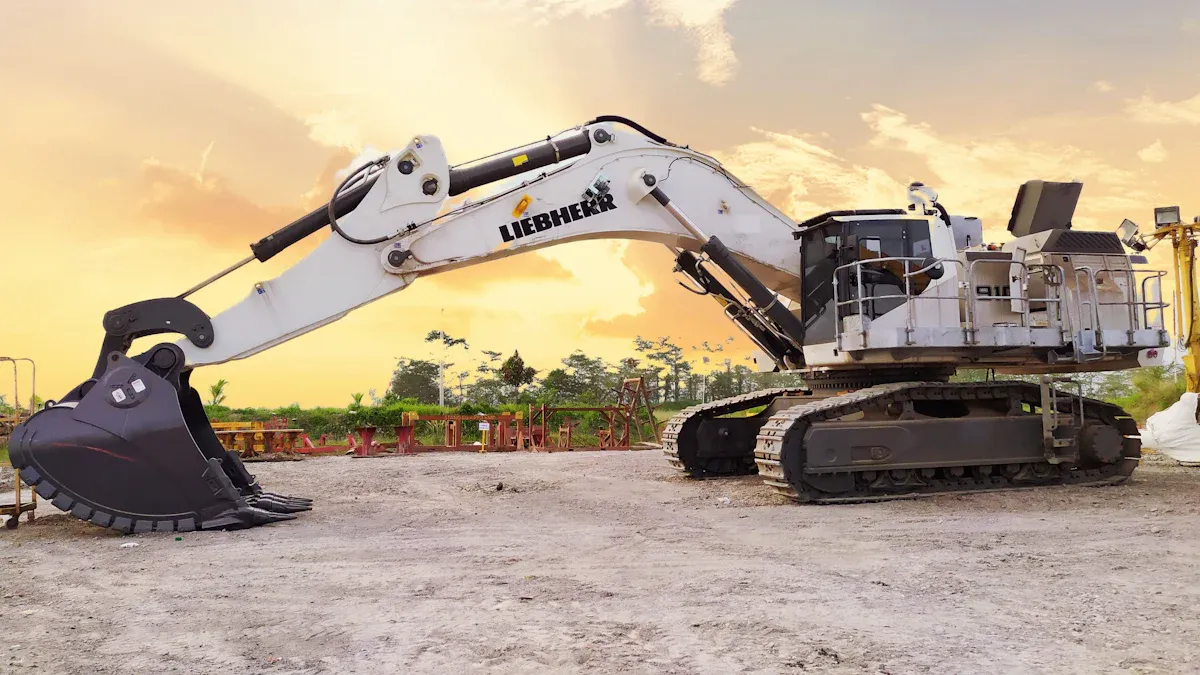
The design of Caterpillar bucket teeth significantly influences digging efficiency. Efficient digging minimizes engine load, leading to lower fuel consumption. Well-designed and maintained bucket teeth improve performance, allowing machines to operate with less effort. Conversely, worn or mismatched teeth increase resistance, causing the engine to work harder and consume more fuel.
Several design features impact fuel consumption:
| Design Feature | Impact on Fuel Consumption |
|---|---|
| Material Strength | Strong materials resist wear, leading to longer-lasting performance and efficiency. |
| Durability | Durable teeth maintain sharpness, reducing the need for frequent replacements. |
| Shape | The shape affects how efficiently the teeth cut into the ground, influencing fuel usage. |
| Sharpness | Sharp teeth cut cleanly, allowing for faster digging with less engine effort, saving fuel. |
| Spacing of Teeth | The arrangement of teeth affects soil breaking efficiency, impacting energy and fuel use. |
| Matching to Conditions | Using appropriate teeth for ground conditions optimizes performance and reduces fuel consumption. |
Shape and Material Considerations
The shape and material of Caterpillar bucket teeth play a crucial role in their effectiveness. Pointed teeth focus force into a small area, enhancing penetration into materials. In contrast, chisel teeth have a wider edge that distributes wear, maintaining performance over time in abrasive conditions.
Using high-grade alloy steels and heat-treated materials enhances durability. These materials resist wear, impact, and abrasion, which directly affects fuel efficiency. Worn teeth require more power, increasing fuel consumption.
Additionally, the cutting force of bucket teeth directly contacts the material, significantly influencing overall digging resistance. Properly designed teeth reduce this resistance, improving the excavator’s efficiency and fuel consumption. For example, the J200 Series tips are designed for maximum penetration, improving breakout force with a leading edge that has 60% less cross-sectional area. This design allows for faster digging and less fuel usage.
Wear and Tear of Caterpillar Bucket Teeth
Effects of Dull Teeth
Dull Caterpillar bucket teeth can significantly hinder performance. When teeth lose their sharpness, they struggle to penetrate the ground effectively. This inefficiency forces the engine to work harder, leading to increased fuel consumption. Studies show that operating with excessively worn teeth can raise fuel usage by 20-30%. As the engine exerts more effort to perform the same tasks, operators may notice a faster drop in the fuel gauge.
Here are some key points regarding the effects of dull teeth:
- Dull teeth require more energy for excavation, increasing strain on machinery.
- The digging power diminishes after about six weeks of regular use, necessitating more energy for tasks.
- Worn teeth lead to higher emissions and a shorter engine life due to increased workload.
Frequency of Replacement
Regular replacement of Caterpillar bucket teeth is essential for maintaining optimal fuel efficiency. Operators should replace teeth when they show signs of wear or damage. Delaying replacement can lead to higher operating costs and reduced productivity. Excessive wear not only affects fuel consumption but can also damage other machine components.
To help operators manage replacement schedules, here’s a table outlining recommended inspection and replacement intervals based on soil conditions:
| Soil Condition | Inspection Interval | Replacement Interval |
|---|---|---|
| Soft Soil | Every 200 hours | 400 – 600 hours |
| Mixed Soil and Gravel | Every 100 – 150 hours | 150 – 300 hours |
| Rock and Hard Materials | Every 50 hours | 50 – 150 hours |
Regular inspections are crucial to determine the right time for replacement. This proactive approach helps maintain fuel efficiency and prevents further equipment damage. By ensuring that bucket teeth remain sharp and effective, operators can minimize unnecessary fuel consumption and enhance overall productivity.
Maintenance of Caterpillar Bucket Teeth
Regular Inspections
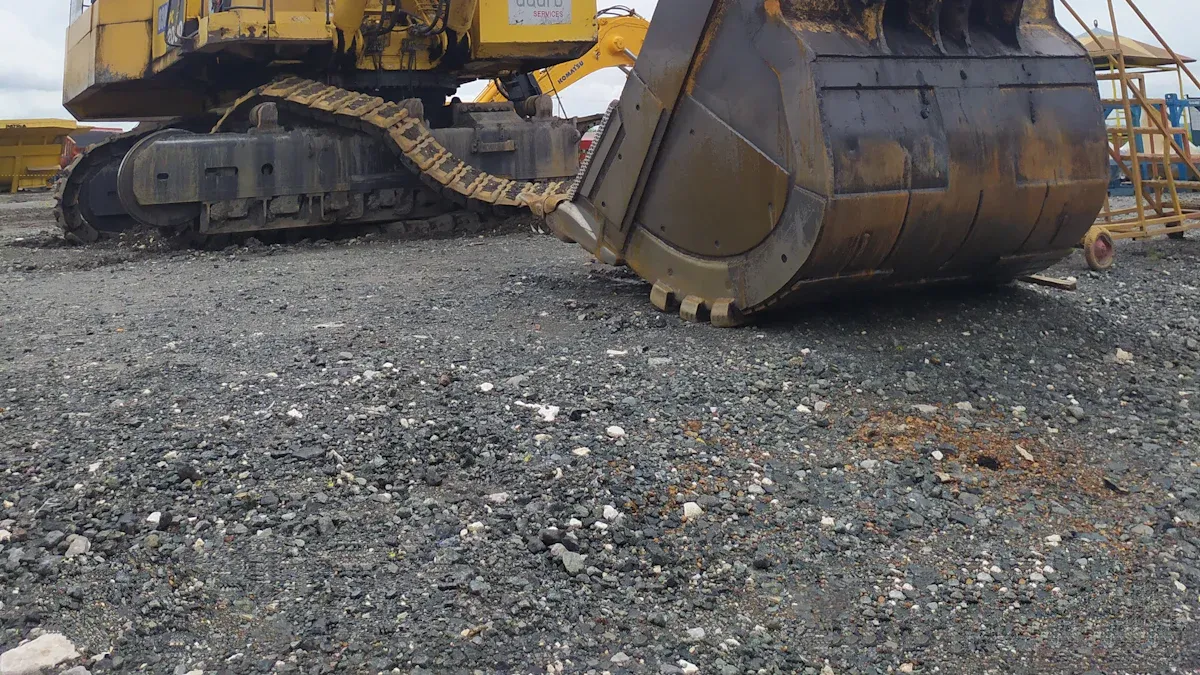
Regular inspections of Caterpillar bucket teeth are vital for maintaining fuel efficiency. Operators should inspect teeth daily for cracks, excessive wear, or bending. This proactive approach prevents costly repairs and ensures optimal performance. When teeth show signs of wear exceeding 50% of their original thickness, operators must replace them immediately.
Here’s a quick reference table for inspection frequency:
| Inspection Frequency | Action Required | Notes |
|---|---|---|
| Daily | Inspect for cracks, excessive wear, or bending | Essential before starting operations |
| As needed | Replace teeth when wear exceeds 50% of original tip thickness | Prevents adapter damage |
Regularly sharpening bucket teeth helps maintain efficiency. Dull teeth force machines to work harder, increasing fuel consumption by 15%-20%. Keeping teeth sharp reduces resistance and lowers fuel usage.
Proper Installation Techniques
Proper installation of Caterpillar bucket teeth significantly influences machine performance and fuel efficiency. A well-fitted tooth adapter minimizes downtime and allows operators to adapt to varying job conditions quickly. Sharp, tapered edges improve penetration, reducing the force required for digging. This efficiency leads to increased fuel savings.
Common installation errors can lead to increased fuel consumption. Operators should ensure that the tooth adapter and bucket tooth fit tightly. Loose teeth can cause breakage and damage to machinery, leading to further inefficiencies.
By prioritizing maintenance and proper installation, operators can enhance the performance of their Caterpillar bucket teeth, ultimately saving on fuel costs and improving productivity.
Choosing the right Caterpillar bucket teeth is essential for optimizing fuel consumption and reducing operational costs. Consider these benefits:
- High-efficiency bucket teeth enhance machinery performance.
- They reduce maintenance costs.
- Optimizing teeth can lower fuel consumption by up to 15%.
Investing in quality bucket teeth not only improves efficiency but also contributes to a more sustainable operation by minimizing greenhouse gas emissions.
FAQ
How often should I inspect my Caterpillar bucket teeth?
Inspect bucket teeth daily to catch wear early and maintain efficiency.
What are the signs that bucket teeth need replacement?
Look for excessive wear, cracks, or bending. Replace teeth when they lose over 50% of their thickness.
Can using the wrong bucket teeth affect fuel consumption?
Yes, mismatched teeth increase resistance, forcing the engine to work harder and consume more fuel.
Post time: Mar-09-2026