
Sourcing Caterpillar bucket teeth from China offers significant cost savings and wide availability. Buyers must make informed decisions regarding product quality and reliability. Effectively navigating the landscape of a CAT teeth factory China ensures successful procurement. Choosing a reputable CAT bucket teeth export supplier is crucial for optimal outcomes.
Key Takeaways
- Sourcing Caterpillar bucket teeth from China saves money and offers many products. Buyers must choose good quality and reliable suppliers.
- Chinese factories make many bucket teeth. They use new technology to make strong and lasting products.
- Buyers must check a factory’s quality, materials, and how they make the teeth. This helps them get good products.
Why Source Caterpillar Bucket Teeth from China?
Cost-Effectiveness and Price Advantage
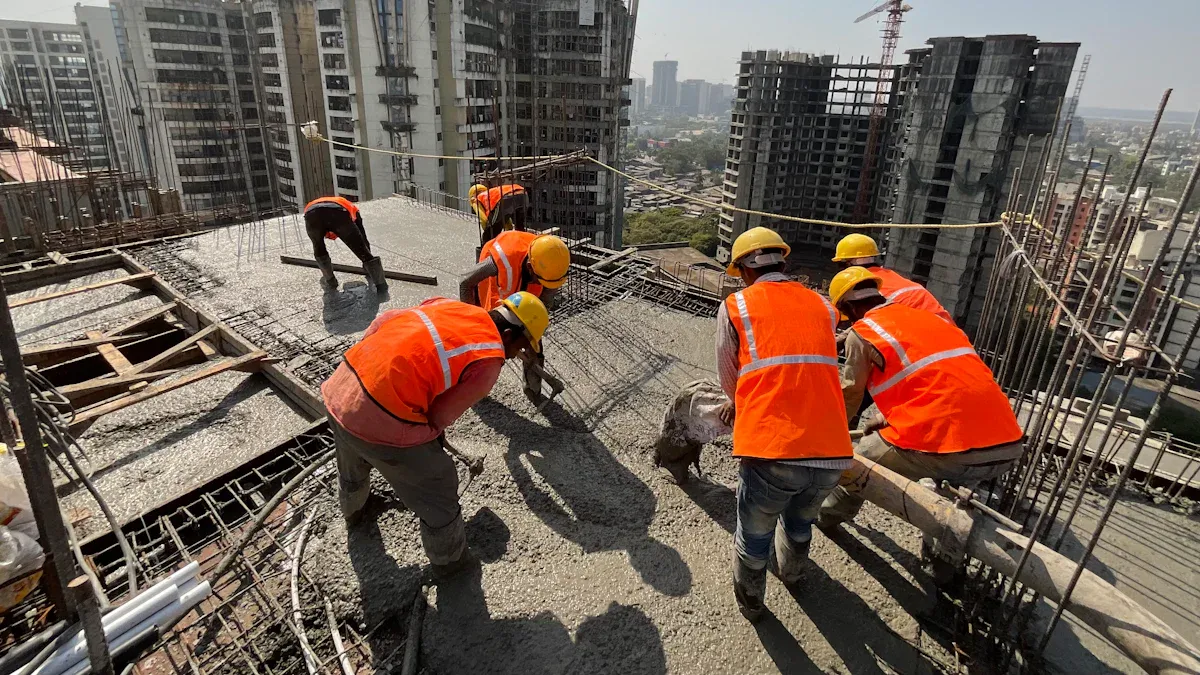
Sourcing Caterpillar bucket teeth from China offers significant financial benefits. Manufacturers in China leverage efficient production processes, lower operational expenses, and economies of scale. These factors contribute to highly competitive pricing for bucket teeth. Buyers can achieve substantial cost reductions in their procurement, allowing for better budget management without sacrificing product availability or quality.
Production Capacity and Scale
Chinese factories demonstrate remarkable production capabilities. They can meet large-scale demands for Caterpillar bucket teeth consistently. For example, NBJM-China, a leading manufacturer, reports an average annual production capacity of 5000 tons. Similarly, Ningbo Sanjin, another prominent Chinese manufacturer, achieves a productivity of 8000 tons per year. This extensive output ensures a steady and reliable supply, making a CAT teeth factory China an excellent choice for both small and bulk orders.
Manufacturing Innovation and Technology
Manufacturers in China actively invest in advanced production technologies and engineering expertise. They employ skilled engineers and technicians dedicated to ensuring product quality and innovation. For instance, the Chinese manufacturer FH-ND emphasizes its use of ‘advanced technology’ and ‘latest technology’ in producing Cat Style Heavy Equipment Excavator Bucket Teeth. This commitment to technological advancement results in the production of durable, high-performing, and reliable bucket teeth that meet international standards.
Key Factors for Evaluating a CAT Teeth Factory China
Buyers must carefully evaluate several key factors when selecting a CAT teeth factory China. These considerations ensure the procurement of high-quality, durable, and compatible bucket teeth. A thorough assessment helps secure reliable products for heavy machinery.
Quality Control Standards and Certifications
A reputable CAT teeth factory China prioritizes stringent quality control. Manufacturers often subject their bucket teeth to rigorous testing and quality control processes. Buyers should look for products with certifications or test reports. These documents verify compliance with industry standards. Certifications such as ISO, ASTM, or specific industry standards ensure the bucket teeth meet strict quality requirements. For example, ISO9001-9002 and ISO9001:2008 are common certifications. These certifications confirm a factory’s commitment to consistent quality management. They also indicate that products like J300, J350, and J450 family bucket teeth and adapters meet recognized quality benchmarks.
Material Composition and Durability
The material composition directly impacts the durability and performance of Caterpillar bucket teeth. High-quality bucket teeth are typically made from specialized alloys. Manufacturers select these materials for their excellent combination of hardness, toughness, and wear resistance. Cast bucket teeth may use low alloy steel containing nickel and molybdenum. Some cast teeth also feature austempered ductile iron, which undergoes heat treatment for enhanced properties. Forged bucket teeth utilize heat-treated alloy steel. The specific type of alloy varies by manufacturer, but premium alloy steel is often chosen for its superior strength and durability. This careful selection of materials ensures the teeth withstand harsh operating conditions.
Manufacturing Processes: Casting vs. Forging
The manufacturing process significantly affects the mechanical properties of bucket teeth. The two primary methods are casting and forging. Each process offers distinct advantages and disadvantages.
| Feature | Casting | Forging |
|---|---|---|
| Process | Molten metal poured into a mold and allowed to solidify. | Metal is heated and then shaped through compressive forces (hammering, pressing, rolling). |
| Grain Structure | Random, non-directional grain structure. | Refined, directional grain structure that follows the shape of the part. |
| Strength & Durability | Generally lower strength and durability due to potential for internal defects (porosity, shrinkage) and random grain structure. Can be brittle. | Higher strength, toughness, and impact resistance due to refined grain structure and elimination of internal voids. Less prone to fatigue. |
| Internal Defects | Higher risk of internal defects like porosity, shrinkage, and inclusions. | Lower risk of internal defects; forging tends to close up internal voids and refine the material. |
| Applications | Suitable for general-purpose bucket teeth where extreme strength is not critical. | Preferred for heavy-duty, high-impact bucket teeth due to superior strength and wear resistance. |
| Reliability | Lower reliability due to potential defects. | Higher reliability due to superior mechanical properties. |
| Wear Life | Shorter wear life for high-stress applications. | Longer wear life for high-stress applications. |
Forging generally produces bucket teeth with superior strength, toughness, and impact resistance. This makes forged teeth ideal for heavy-duty and high-impact applications. Casting offers more design flexibility for complex shapes. However, cast teeth may have a higher risk of internal defects and lower overall reliability for critical applications.
Product Range and Compatibility
A comprehensive product range indicates a manufacturer’s capability and market understanding. Buyers should confirm the factory offers a wide selection of Caterpillar bucket teeth. This includes various series and specific part numbers. For example, Ningbo Yinzhou Join Machinery Co., Ltd. offers both CAT J SERIES and CAT K SERIES bucket teeth. Other manufacturers, like NBSJ, provide a full range of Cat J series teeth. They often list popular part numbers such as 1U3252RC, 1U3302RC, 1U3352RC, 7T3402RC, 9W8452RC, 9W8552RC, and 6I6602RC.
Manufacturers also offer specialized teeth. These include the CAT J-SERIES – PENETRATION HD ELITE TEETH, known for extra wear material and longer service life. The J225 BUCKET TEETH are available across all Caterpillar J series. The CAT J SERIES TWIN TIGER 6Y3222WTL provides a multi-purpose penetration tooth with twin points for increased surface penetration. Buyers must ensure the products meet or exceed OEM standards for compatibility and performance.
Manufacturer Reputation and Experience
A manufacturer’s reputation and experience provide crucial insights into their reliability. A long-standing presence in the industry often signifies consistent quality and customer satisfaction. Ningbo Yinzhou Join Machinery Co., Ltd., founded in 2006, has become one of the best suppliers of G.E.T. parts in China. Their extensive experience allows them to meet diverse customer needs. Many of their customers have collaborated with world-leading companies such as BYG, JCB, and NBLF. This demonstrates their capability to supply high-quality products to demanding clients. The company operates as a joint venture of three firms, including Ningbo Yinzhou Join Machinery Co., Ltd., Ningbo Qiuzhi Machinery Co; Ltd, and Ningbo Huanan Casting Co., Ltd. This structure suggests a robust operational foundation and shared expertise. Choosing an experienced CAT teeth factory China reduces risks and ensures a smoother procurement process.
Navigating Sourcing and Logistics from China
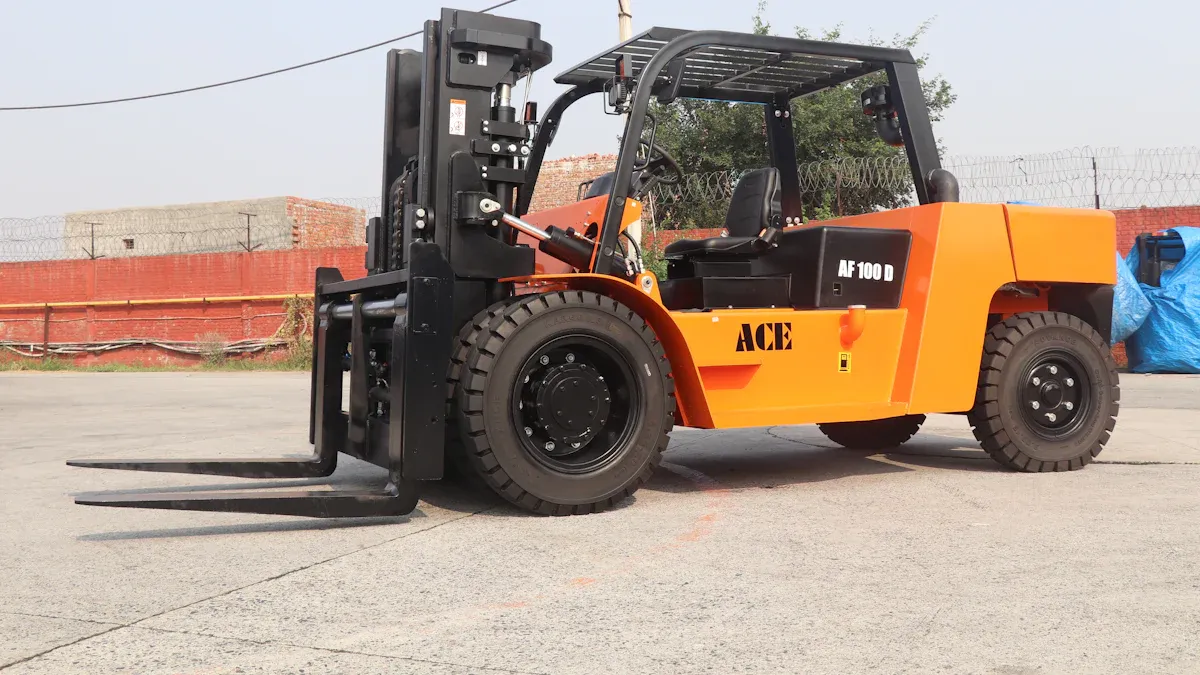
Sourcing Caterpillar bucket teeth from China requires careful navigation of communication, order quantities, payment, and delivery. Buyers must understand these aspects to ensure a smooth and successful procurement process. Effective strategies minimize risks and optimize outcomes.
Effective Communication Strategies
Clear and consistent communication forms the bedrock of successful sourcing from China. Buyers should implement organized storage systems for bilingual documentation. These systems ensure both internal teams and suppliers access the latest information. Establishing bilingual approval processes is also crucial. These processes require explicit confirmation of understanding before production begins. This prevents misunderstandings. Maintaining comprehensive bilingual documentation of approved reference samples helps. This includes photographs and specific quality standards. Clearly specifying measurement systems, such as metric versus imperial, is vital. Including conversion charts in documentation prevents specification errors.
Buyers must also learn to navigate indirect communication patterns. Chinese suppliers may use soft refusals like “this might be difficult.” Buyers should read between the lines for unspoken concerns. Understanding contextual qualifiers, such as “basically complete,” helps interpret progress. Silence often indicates thoughtful consideration. Recognizing face-saving communication and decoding relationship signals are also important. Building relationship-based communication yields significant benefits. Buyers should invest time in personal connections before business. Prioritizing face-to-face meetings and showing genuine interest in their background fosters trust. Signaling a long-term partnership perspective is also valuable. Engaging in appropriate gift exchange and maintaining contact during non-order periods strengthens relationships. Mapping hierarchical relationships helps buyers address the right people. Adapting communication style to Chinese business norms is essential. Buyers should respect hierarchy by addressing appropriate management levels. They must recognize group decision-making and exercise patience in negotiations. Adopting a holistic discussion approach and maintaining appropriate formality in written communication are key. Addressing disagreements privately and being sensitive to timing around cultural events shows respect. Balancing public praise with private constructive criticism also helps.
Understanding Minimum Order Quantities
Minimum Order Quantities (MOQs) are a standard practice for Chinese manufacturers. These quantities vary significantly depending on the product and supplier. One manufacturer specifies a minimum order quantity of 1000 kgs for Caterpillar style bucket teeth. Another Chinese supplier lists a minimum order quantity of 3000 KG for Caterpillar standard long tip bucket teeth. A third supplier states their minimum order depends on the specific product. However, it typically requires one 20’ full container. Less than container load (LCL) is also often acceptable. Buyers should clarify MOQs early in the negotiation process. This ensures their order size aligns with the supplier’s requirements.
Secure Payment Terms and Practices
Securing payment terms and practices is critical for international transactions with Chinese suppliers. Due diligence is key. Buyers must thoroughly verify the legitimacy of prospective suppliers. This includes checking business licenses, references, and financial statements. Using local agents or third-party services for on-ground checks can provide additional assurance. Buyers should use secure payment methods. For higher security, consider Letters of Credit (LCs) for large transactions. LCs provide bank assurance that money transfers only after goods ship as per agreement. Escrow services can be viable for smaller transactions or samples.
Negotiating payment terms upfront is essential. Clearly agree on payment schedules, advance payment percentages, and conditions for settling the remaining balance. This avoids ambiguity. Buyers must ensure documentation is in order. Maintain meticulous records of all correspondences, agreements, billing statements, and proofs of payment. This provides a clear transaction timeline. It is invaluable for dispute resolution and auditing. Buyers must avoid payments to personal accounts. Always insist on paying into the official business account of the supplier. Payments to personal accounts pose significant risks. These include lack of protection, potential fraud, and difficulties in legal recourse. Managing currency exchange risks is also important. Mitigate risks by engaging in forward contracts to lock in exchange rates. Exploring multi-currency accounts can also help. Stay informed about global economic indicators.
Cultivating a relationship with the supplier builds trust. Develop a strong partnership through frequent, open communication. Understand their challenges and show respect for their culture. This fosters trust and cooperation. Common payment terms include a 30% deposit with 70% before shipment. Another common approach is a 30% deposit with 70% against the bill of lading. This reduces buyer risk. No deposit with full payment against the bill of lading is a favorable term. Suppliers rarely offer it to new customers. Open Account (O/A) payment involves full payment after receiving goods or up to 30 days post-receipt. Suppliers rarely offer this to new customers. A 30:40:30 payment split is often considered fair. The initial 30% down payment allows the factory to purchase materials. It locks in prices, protecting against severe price fluctuations. The next 40% is paid at shipping after a quality inspection. This ensures the manufacturer has covered most of their internal costs. The remaining 30% balance is paid after the buyer receives and reviews the order’s quality. This configuration provides the buyer with leverage. They can hold the final payment and request rework or replacement if the order does not meet expectations. It also minimizes the financial impact on the supplier if the buyer defaults. Planning remittances ahead of time and using reliable remittance companies are crucial. Be aware of the risk of hacked email accounts. Always verify payment information.
Shipping, Customs, and Delivery Times
Understanding shipping, customs, and delivery times is vital for effective logistics planning. Buyers must factor in transit times from China to their destination. These times vary based on shipping method (sea freight, air freight) and destination. Sea freight is generally more cost-effective for large volumes but takes longer. Air freight is faster but more expensive. Customs clearance processes can also add to delivery times. Buyers should work with experienced freight forwarders. These professionals can help navigate complex customs regulations. They ensure all necessary documentation is in order. This minimizes delays. Planning for potential unforeseen delays, such as port congestion or holiday periods, is also wise. A reliable CAT teeth factory China will provide clear estimates for production and shipping.
After-Sales Support and Warranty
Reputable Chinese manufacturers offer various after-sales support and warranty policies. These policies provide buyers with peace of mind. Warranty terms typically range from a minimum of 6 months. Some manufacturers, like HigherBlades, offer a warranty of 2 years (24 months) for products such as Caterpillar J550 6y2553 bucket teeth. They also provide online support and video technical support. Buyers should inquire about return policies. They should also confirm the availability of technical documentation. Gold Forging offers free samples of forged bucket teeth. Clients are responsible for the freight costs in such cases. Comprehensive after-sales support ensures buyers receive assistance with any product issues. It also guarantees replacements or repairs under warranty.
Sourcing Caterpillar bucket teeth from China offers significant advantages. Buyers must prioritize thorough research and due diligence. They should focus on stringent quality control and clear communication with suppliers. These steps effectively mitigate risks, ensuring successful and reliable sourcing outcomes for their operations.
FAQ
What are the main benefits of sourcing bucket teeth from China?
Sourcing from China offers cost-effectiveness and high production capacity. Manufacturers also use advanced technology. This provides competitive pricing and a reliable supply for buyers.
How can buyers ensure quality when purchasing from a CAT teeth factory China?
Buyers should check for quality control standards and certifications. They must also evaluate material composition and manufacturing processes. Manufacturer reputation and experience are also important factors.
What payment terms are common with Chinese suppliers?
Common payment terms include a 30% deposit with 70% before shipment. Some suppliers offer 30% deposit with 70% against the bill of lading. Buyers should always verify payment information.

Post time: Jan-19-2026